Stucco is a popular exterior finish in New Jersey homes. When installed correctly, stucco can last 50–80 years and give a clean, attractive look. But stucco is applied in layers, and hidden damage can lurk beneath a smooth surface. In fact, industry experts estimate over 90% of stucco applications in the Northeast were installed improperly. That means many stucco walls have defects that aren’t obvious at first glance. A professional stucco inspection (using moisture meters and probes) can uncover rot, mold, or water leaks before they cause big problems. If damage extends below the finish, stucco remediation may be needed to repair the affected wall layers. In one survey, inspectors found some level of stucco damage in about half of all homes inspected – sometimes requiring six-figure repairs. Simply put, even if your stucco looks “okay,” problems often hide inside the wall. Getting an inspection before closing can save thousands by catching issues early. Even beautiful stucco homes in New Jersey can have hidden damage. A qualified stucco inspection checks the entire wall system – not just what you can see – to protect your investment. 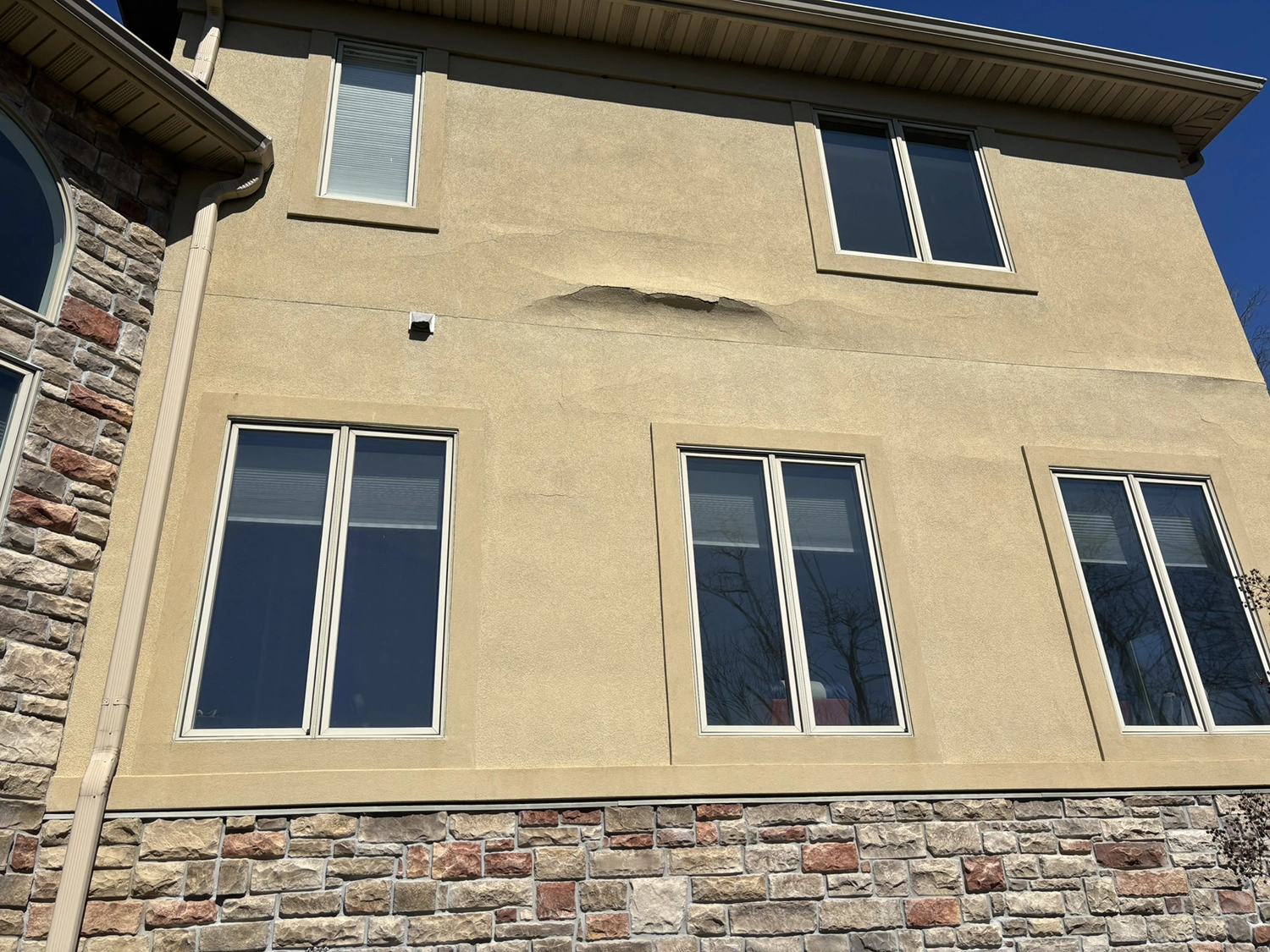
What a Stucco Inspection Checks For
A stucco inspection is far more than a visual walk-around. Inspectors use special tools and expertise to test every layer of the wall system. Here’s what they typically look for:
- Moisture levels: Inspectors use moisture meters (like Delmhorst meters) to test the stucco, sheathing, and framing. A reading of 8–15% moisture is normal for exterior walls, 16–19% is elevated, and 20% or higher indicates excessive moisture that could mean rot. If moisture is high, the report will flag it. (By contrast, one expert notes that “a stucco inspection costing $495–$1,595 is a tiny investment compared to remediation projects that routinely run $30,000 to $100,000”.) Invasive testing (drilling small holes) is often used to confirm hidden leaks.
- Cracks and patterns: Tiny hairline cracks (smaller than about 1/16 inch) are usually cosmetic and come from normal curing or settling. But larger cracks – especially zig-zag stair-step cracks or cracks at foundation lines – are red flags. Cracks that run up and down the wall in steps often signal foundation movement or improperly overlapped lath. Cracks along windows and doors often mean missing flashing or reinforcing. Inspectors pay attention to any crack that is wider than a hairline or that appears to track around openings, as these often point to water intrusion or structural issues.
- Delamination (bulges or hollow spots): If stucco has pulled away from the wall, it can bulge or sound “hollow” when tapped. Inspectors will tap walls with their knuckles or a small mallet – a solid sound means good adhesion, but a hollow, drum-like sound means the stucco may be detached. Behind a bulge, the metal lath can rust and the sheathing can rot. For example, one inspector found that a small bulging patch (thought to be cosmetic) hid extensive damage to the wood behind. Delamination almost always requires removing and replacing the affected stucco – it doesn’t “fix itself.”
- Window and door flashings: Proper flashing and sealants around windows and doors are critical. Inspectors carefully check that frames have correctly-installed counter-flashing or drip edges. Any gap between stucco and a door/window is a problem because it lets water in. Even missing gutter kick-out flashing (the small metal piece that directs roof water into gutters) is a common culprit: rain cascading down can seep behind the stucco. An inspection will note missing or failed caulking, torn flashing, or any signs that water has been entering around openings.
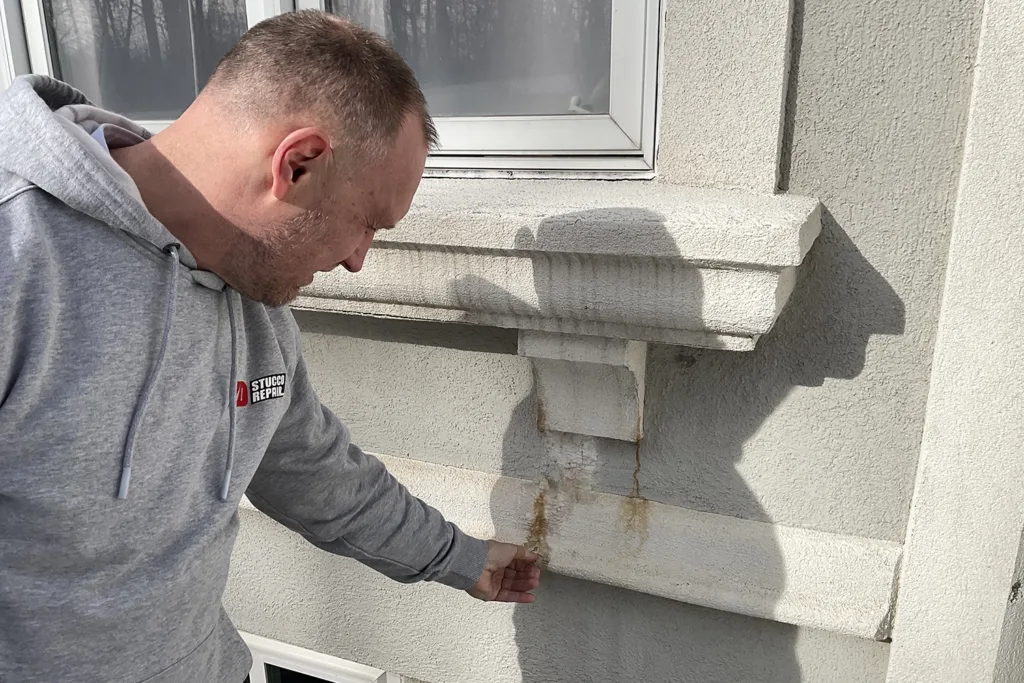
- Stains, efflorescence and soft spots: White powdery spots (efflorescence) on the stucco indicate salts from moisture passing through the wall. Dark or brown stains, mold, or peeling paint are further warning signs of trapped moisture. Inspectors will look inside attics or basements near these stains for mold or rot. They also may push on the stucco or remove small sections to check the sheathing. Essentially, anything in the inspection report that isn’t “normal” (like moss, mildew, soft drywall, etc.) gets flagged as a defect.
If the inspection finds elevated moisture or construction defects, the report will outline next steps. Often this means remediation – not just caulking or patching. For example, Ai Restoration’s FAQ notes that if moisture is high, you usually need to remove the affected stucco and address the underlying leaks. (Quick patch-work is only a temporary fix and often fails again.) In short, a thorough inspection catches all these issues early – much sooner than you’d see big bulges or mold on your own – so you can make informed decisions about repairs. Moisture is the hidden enemy. Stucco is a layered wall system, and even a dry-looking exterior can have water trapped inside. In this infographic, note that over 90% of stucco homes have hidden defects, and moisture meters (like Extech) can spot 1–40% water in the wall. 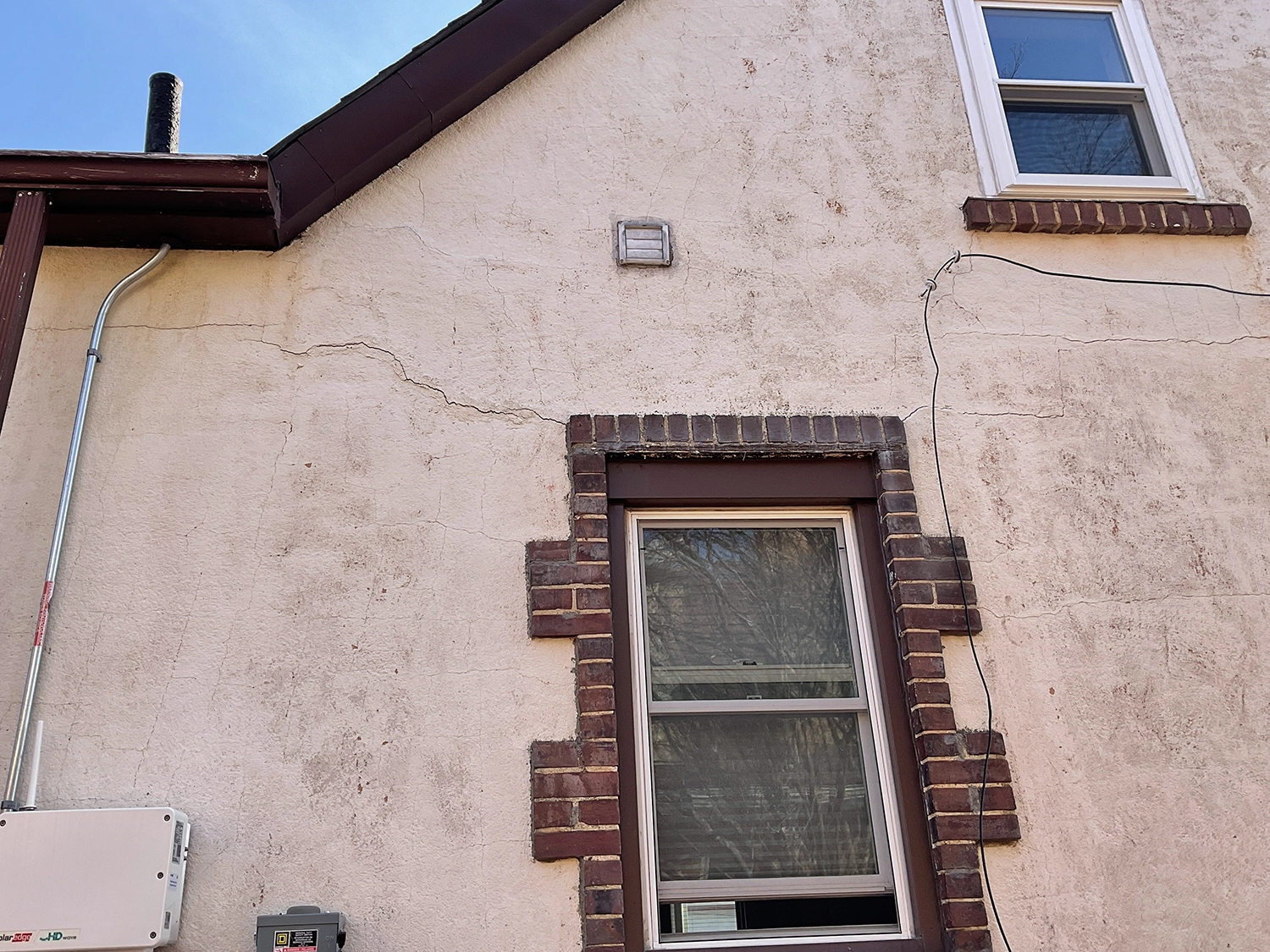
How Inspection Results Affect Value and Closing
Finding stucco issues can directly affect a home’s market value and sale process. If an inspection report is clear, a seller can confidently list at a higher price knowing the walls are sound. But if damage is found, a buyer will factor that into negotiations. You might see one of two outcomes:
- Buyer’s leverage: If the report shows problems (for example, high moisture or rotted sheathing), the buyer can ask the seller to repair them or reduce the price. Large issues like major rot or needed system replacement can lead to tens of thousands in credits or delays. StuccoSafe puts it bluntly: skipping an inspection is risky, because about 50% of inspections uncover issues that can cost hundreds of thousands to fix. A small stucco inspection fee (often $500–$1,600) can save a buyer from paying much more later.
- Seller’s advantage: Conversely, if you’re selling and pre-inspect the stucco, you can fix minor issues before listing and prove the work. Having documentation (a clean stucco report or repair receipts) can reassure buyers and keep your price up. Remember, even aesthetic flaws matter: ZD Stucco warns that any exterior damage – even just a shabby look – “can dramatically go down” your home’s value. A well-maintained, freshly repaired stucco facade creates better curb appeal and bidding.
Failing to address stucco problems often means your house stays longer on the market. As ZD notes, homes with unresolved stucco issues tend to “sit on the market” while cautious buyers wait for a deal. Or worse, a buyer might walk away if they learn of hidden water damage just before closing. That’s why many real estate experts strongly encourage a dedicated stucco inspection as part of the sale process. It’s simply better to know about the wall conditions before signing on the dotted line. 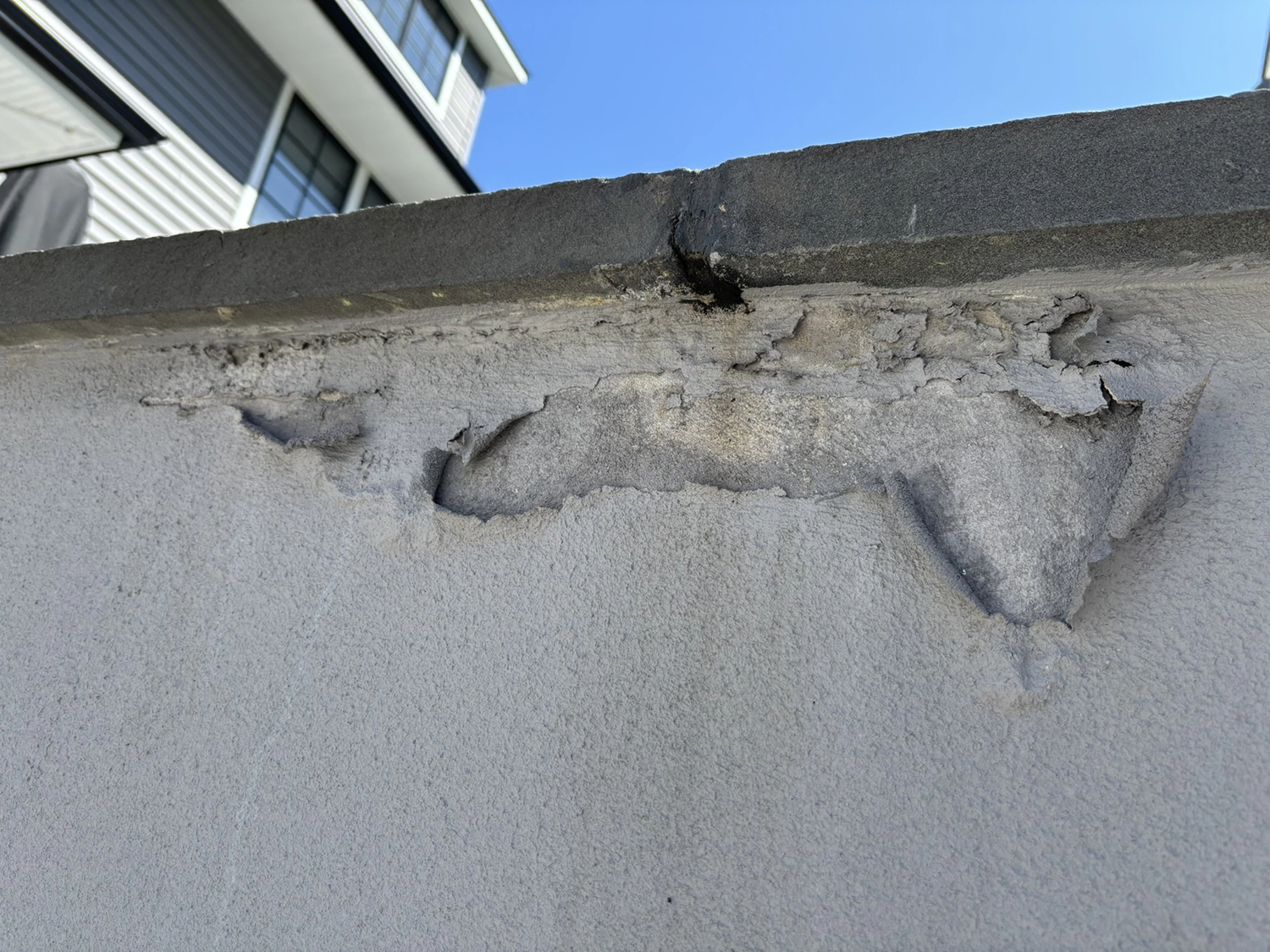
Tips for Sellers: Prepare Your Stucco Before Listing
- Fix minor issues early. Don’t ignore hairline cracks, peeling paint, or old caulk. Even small cracks should be sealed (a job we’re happy to do) to prevent leaks down the road. ZD Stucco points out that “small cracks can lead to further damage, potentially costing thousands to fix later on”. Take care of these cheaply and cleanly now so they’re off the table during negotiations.
- Document any repairs. Keep receipts and photos of any stucco work you do. If a buyer asks about past damage, you can show them: “Yes, see, we fixed the crack and sealed the window in 2024.” This record of maintenance builds trust. We’ve seen too many sellers try quick patches without documentation – only to have buyers worry the problem isn’t really solved. By contrast, a seller who can say “We had an inspection and fixed exactly what it found” stands out as honest and prepared.
- Get a pre-listing inspection. Consider hiring a stucco expert (like ZD Stucco Repair) to inspect your home before you go on market. It’s similar to a home inspection but focused on siding. If you find anything, you can address it under your own terms. Remember the old adage: “don’t take chances on one of your greatest investments.” Better to fix a problem yourself than have a buyer discover it and use it to lower their offer.
- Avoid shortcuts. Real-world reports warn against cheap fixes. Many sellers try to save money by patching instead of doing a full repair, but these patches often fail. Professional advice is usually to repair entire wall sections if moisture is present, even though that is more work. ZD’s job is to do it right the first time, so you don’t face the problem again. Investing in quality stucco work pays off when you’re trying to maximize your sale price.
- Show your credentials. If you worked with a top-rated contractor (like ZD Stucco), mention that in your listing. Sellers who highlight “pre-approved by [contractor name]” or who mention the company’s satisfaction guarantees often inspire confidence. For example, ZD Stucco Repair offers free assessments, financing plans, and a 100% satisfaction guarantee – all good selling points to drop in your marketing or in person.
Tips for Buyers: Don’t Skip the Stucco Step
- Always get a stucco specialist involved. A general home inspector might notice obvious cracks, but they won’t do moisture probing or invasive checks. StuccoSafe warns that you really can’t judge a stucco wall by its cover: even if a home inspector says “it looks good,” hidden damage is common. If the seller hasn’t already done a stucco report, hire your own stucco inspector. It could save you thousands by avoiding a money pit.
- Ask about stucco history. Talk to the seller or listing agent: Has the stucco ever been tested or repaired? When was it last painted or caulked? If previous owners fixed it, ask for those details. A recent stucco inspection report is ideal – it shows transparency. But if a seller seems reluctant to discuss stucco, that’s a red flag (see StuccoSafe Scenario #2 or #3). In a seller’s market, buyers sometimes waive inspections to win a deal, but StuccoSafe cautions that this is dangerous: you could “become the owner of a problem” with no recourse.
- Negotiate based on the report. If your stucco inspection finds any issues, even small ones, don’t be shy about negotiating. Sellers know stucco repairs can be expensive, so they may reduce the price or pay for remediation. Consider the difference: paying a few hundred for an inspection now versus facing a second mortgage to fix unexpected damage. It’s far better to adjust your offer or closing terms now than to deal with major repairs after moving in.
- Use a reputable contractor. Once you have a stucco report, pick a local licensed company to do the repairs. In New Jersey, ZD Stucco Repair has earned a reputation for honesty and quality. They have a 4.9/5 average rating from over 180 five-star reviews and have completed more than 1,000 jobs in NJ and NYC. If any fixes are needed, hiring a dependable team (or at least getting their quote) can strengthen your negotiating position with the seller.
Why Choose ZD Stucco Repair
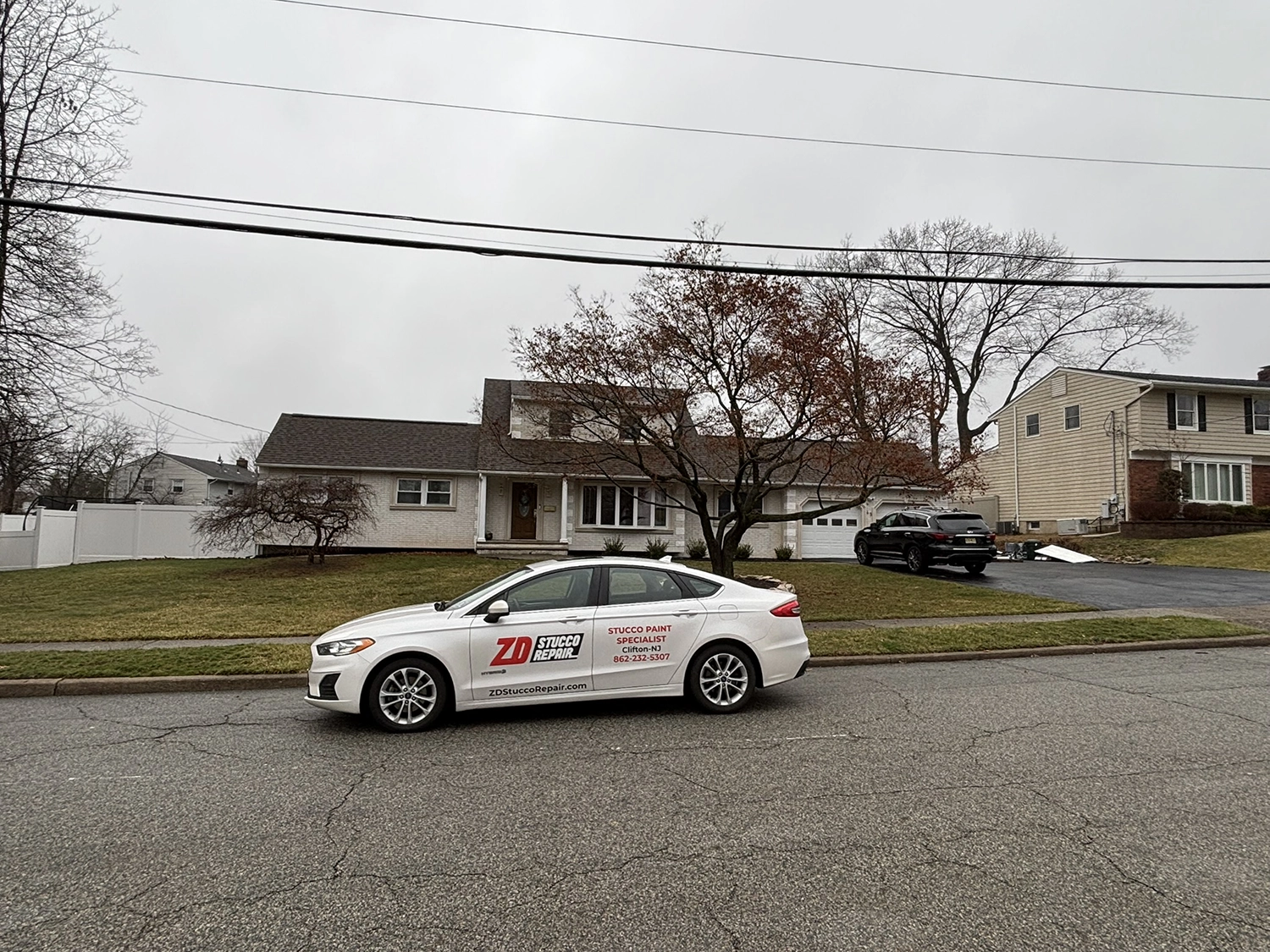 When stucco issues arise – whether from an inspection or normal wear – you want an expert you can trust. ZD Stucco Repair is a New Jersey-based contractor that specializes in exactly these situations. For starters, ZD is 5-star rated with hundreds of happy customers. They emphasize reliability: “We show up. We do the job right. We clean up,” is their motto. No gimmicks, just honest work. Here are a few strengths to note:
- Local Experience: ZD has been fixing stucco in NJ and NY since 2017. They know New Jersey weather and building codes. They’ve worked on everything from historic homes to modern builds in towns like Clifton, Mendham, Toms River and beyond.
- Comprehensive Service: They handle all common stucco problems – from bird-hole and crack repair to full stucco-water-damage-repair remediation. This means if your inspection report says “remove the stucco and replace,” ZD can do it. They even offer EIFS (synthetic stucco) inspections and repairs, plus matching paint and finishes. In short, whatever your inspection uncovers, ZD can restore it.
- Customer Focus: ZD offers free on-site assessments with no obligation. They provide financing if needed and flexible scheduling to avoid delaying your sale. Their team communicates clearly and follows all safety protocols for a flawless repair. Plus, they back their work with a 100% satisfaction guarantee.
- Proven Track Record: With over 1000 jobs completed and a near-perfect average rating, ZD Stucco stands out. They’re even BBB-accredited and have completed large commercial as well as residential projects. Their portfolio shows beautiful results – for example, a Mendham NJ house they recently refreshed with new white stucco, giving it a like-new look.
When stucco issues are fixed by a pro, the result is dramatic. ZD Stucco can transform a home’s exterior, as seen in this modern NJ house they repaired. Skilled craftsmen do “the job right” so your home is beautiful and protected. In summary, a stucco inspection is a vital step for any NJ home sale or purchase. It reveals moisture damage, structural faults, and other hidden issues that affect safety and value. By getting a professional inspection, you avoid ugly surprises and expensive repairs after closing. If repairs are needed, trust in a contractor like ZD Stucco Repair – they’ve built a name for honest, long-lasting stucco work. Whether you’re selling or buying, invest in a stucco inspection and the right contractor. Your home (and your wallet) will thank you.