What happens when stucco cracks are repaired incorrectly?
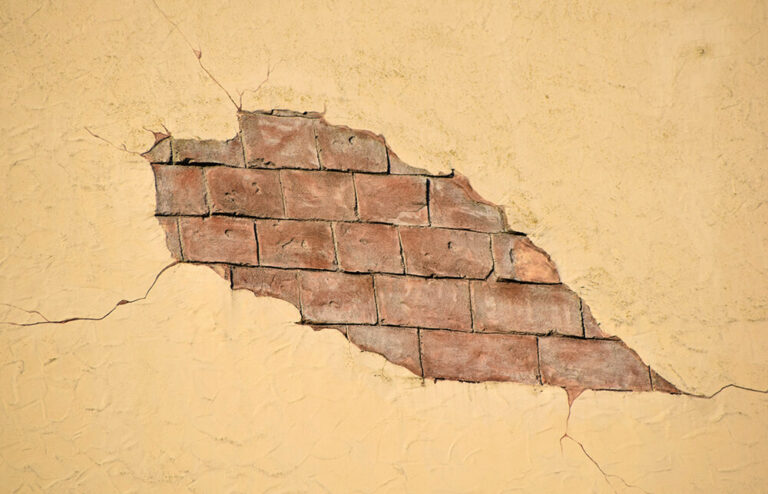
Handymen often patch cracks by sealing them with silicone caulk or improper stucco mixes, trapping moisture inside the wall system, which leads to rotting wood framing, mold growth, and repair bills that can exceed $20,000. While hiring a handyman or attempting DIY stucco repair might seem like a quick fix to save money, it is often a costly error. Stucco is not just a simple exterior paint or siding; it is a complex building envelope system designed to breathe and manage moisture. When unqualified individuals interfere with this system, the consequences are severe and long-lasting.
Stucco repair mistakes are incredibly common when homeowners choose the cheapest bid. Many people assume that a handyman who can fix drywall or paint a fence is equally qualified to handle exterior stucco. This is a fundamental misunderstanding of how stucco works. Professional stucco repair requires specialized knowledge of moisture management, proper curing times, and material compatibility. Without this expertise, a band-aid solution quickly turns into a structural nightmare.
The True Cost of Improper Stucco Repair
The initial stucco repair cost when hiring a handyman versus a contractor might look appealing on paper. A handyman might quote $300 for a patch job, while a professional stucco contractor might quote $1,500 for a proper repair. However, this price difference reflects the depth of the work being performed.
A handyman typically focuses on the cosmetic issue—the visible crack or hole. They will often use a generic patching compound or, worse, silicone caulk to seal the gap. This improper stucco repair ignores the underlying cause of the crack, which is often moisture intrusion or structural movement.
When moisture is trapped behind a sealed crack, it has nowhere to go. In New Jersey’s climate, with its freeze-thaw cycles and significant precipitation, this trapped water expands when frozen, causing further stucco repair moisture damage. Over months or years, this moisture rots the wood framing and OSB sheathing behind the stucco. By the time the homeowner notices bulging stucco or interior water stains, the damage is extensive. What started as a minor stucco repair gone wrong has now become a major remediation project, often costing upwards of $20,000 to tear off the stucco, replace rotted framing, and rebuild the exterior wall system correctly.
A Real Case of Stucco Repair Gone Wrong in New Jersey
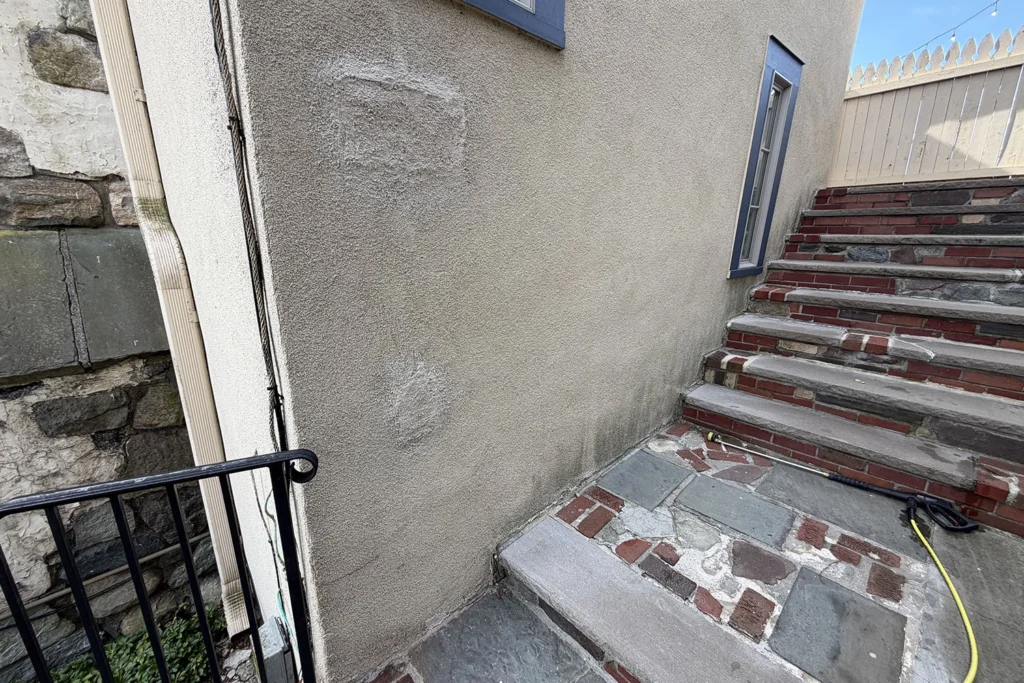
At ZD Stucco Repair, we frequently receive calls from homeowners dealing with the fallout of a handyman’s mistakes. Recently, we visited a home where the owner had hired a local handyman to fix a few cracks around their windows. The handyman used a cheap, non-breathable sealant and a mismatched texture patch.
Within a year, the homeowner noticed a musty smell indoors and severe blistering on the exterior wall. When our certified contractors opened up the wall to investigate, we found that the handyman’s “quick fix” had completely blocked the stucco’s weep screed and drainage plane. Water from regular rainstorms had been forced backward into the wall cavity.
The wood framing was black with rot, and the insulation was soaked. The homeowner had to pay for a complete tear-off of that wall section, structural wood replacement, mold remediation, and a completely new stucco installation. The original $400 handyman repair ended up costing the homeowner over $18,000. This case highlights exactly why professional stucco repair is not a luxury—it is a necessity for protecting your home’s structural integrity.
Handyman Stucco Repair vs. Professional: Key Differences
Understanding the difference between a generalist and a specialist is crucial when evaluating stucco repair options. Here is why professional stucco repair benefits far outweigh the initial savings of a handyman.
1. Understanding the Building Envelope
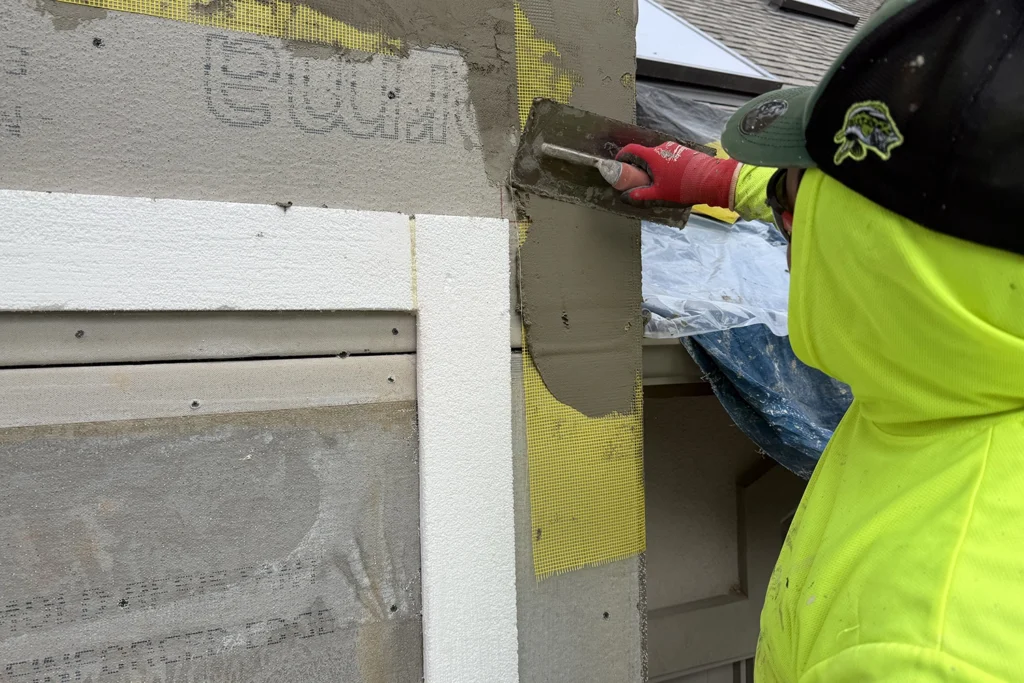
Professional stucco contractors understand that stucco is part of a larger building envelope failure prevention system. They know how to identify the root cause of a crack. Is it normal settlement, or is there a lack of kick-out flashing causing water to run down the wall? A handyman simply patches the hole; a professional diagnoses and fixes the source of the problem.
2. Material Selection and Trowel Techniques
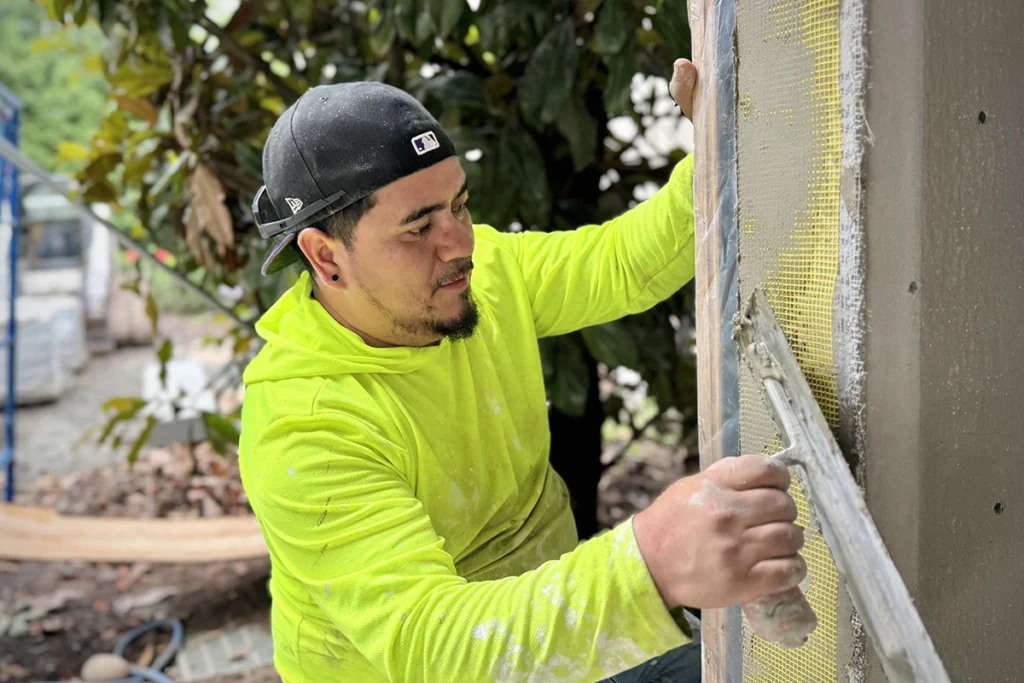
Stucco repair requires precise material mixing and application. Using the wrong mixture can lead to texture mismatch and color blending issues that leave your home looking patchy and poorly maintained. Professionals use specialized tools and trowel techniques to ensure the new stucco bonds correctly with the old and matches the existing finish seamlessly. They also understand the importance of proper curing times to prevent the new patch from shrinking and cracking immediately.
3. Licensing and Liability
Stucco repair licensing requirements in New Jersey are designed to protect homeowners. Licensed contractors carry the necessary liability and workers’ compensation insurance. If a handyman gets injured on your property or causes further damage to your home, you could be held financially responsible. Hiring a licensed, insured, and certified contractor removes this risk. If you are unsure how to vet a contractor, read our comprehensive guide to finding a qualified stucco contractor.
4. Warranties That Mean Something
A handyman rarely offers a formal warranty on their work. If the patch fails in six months, they are unlikely to return and fix it for free. Professional stucco companies stand behind their work with written guarantees. However, it is important to understand what a warranty actually covers. Learn more about why you should be cautious of vague promises in our article about our lifetime warranty on repairs.
DIY Stucco Repair Problems: Why You Shouldn’t Do It Yourself
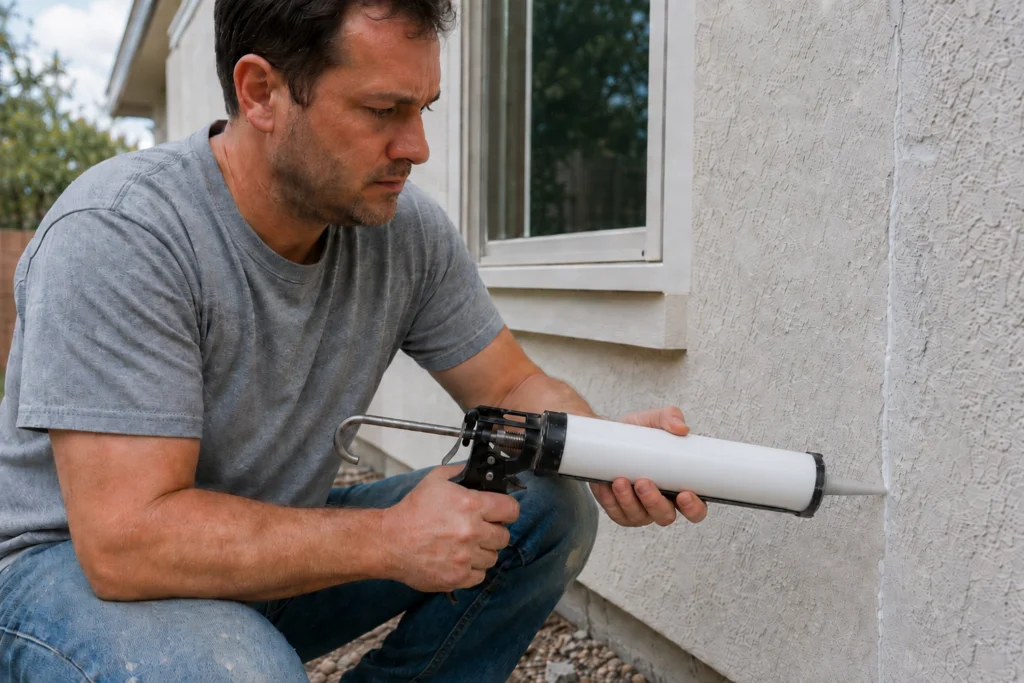
Many of the issues associated with hiring a handyman also apply to DIY stucco repair problems. Homeowners often watch a quick video online and assume they can handle a stucco patch themselves. Unfortunately, DIY attempts frequently result in the same moisture-trapping and improper curing issues.
Common DIY stucco repair mistakes include:
- Applying new stucco over a dirty or painted surface without a bonding agent.
- Mixing the stucco too wet or too dry, leading to weak adhesion.
- Failing to use a backer rod in expansion joints, causing the sealant to fail prematurely.
- Ignoring weather conditions, such as applying stucco in freezing temperatures or direct, intense sunlight, which ruins the curing process.
Stucco repair expertise is needed to ensure the job is done right the first time. The long-term costs of fixing a botched DIY job are always higher than hiring a professional from the start.
Frequently Asked Questions About Stucco Repair
What are the signs of improper stucco repair?
Signs of improper stucco repair include visible texture or color mismatches, new cracks forming around the patched area, blistering or bubbling of the stucco finish, and efflorescence (white, powdery stains) which indicates trapped moisture trying to escape.
Why is moisture damage so common with bad stucco repairs?
Moisture damage occurs because unqualified repairmen often use non-breathable materials like silicone caulk to fill cracks. This seals water inside the wall system. Since stucco is designed to absorb and release moisture, blocking its natural drainage path forces water into the wood framing and insulation.
Does homeowners insurance cover stucco repair gone wrong?
Generally, homeowners insurance does not cover damage caused by poor workmanship or maintenance issues. If a handyman’s improper repair leads to wood rot, your insurance claim will likely be denied, leaving you responsible for the entire repair bill.
Protect Your Home with Professional Stucco Repair
Your home is likely your most valuable asset. Do not risk its structural integrity to save a few hundred dollars on a quick fix. Handymen and DIY solutions often address only the cosmetic symptoms of stucco damage while ignoring the critical underlying issues. This approach almost guarantees future stucco repair quality issues, voided warranties, and massive hidden repair costs.
At ZD Stucco Repair, we do the job right. We inspect the damage, identify the root cause, and use proper techniques and materials to restore your stucco’s beauty and protective function. If you have cracks, water damage, or suspect a previous repair was done incorrectly, do not wait for the problem to worsen.
Contact ZD Stucco Repair today for a free, professional assessment and ensure your home is protected for years to come.