Introduction
New Jersey experiences all four seasons in full force – from hot, humid summers to cold, snowy winters. These seasonal shifts add character to the Garden State, but they can also take a toll on your home’s stucco exterior. Stucco is a durable and popular siding choice for New Jersey homes, yet it’s not completely maintenance-free. Each season brings unique challenges that can affect stucco, including temperature swings, moisture, and even road salt. By understanding how each season impacts your stucco and performing some simple upkeep, you can protect your investment and keep your home looking its best year-round.
This seasonal checklist offers practical stucco maintenance tips for spring, summer, fall, and winter. With a little timely care, you can prevent minor issues from becoming major problems. Regular maintenance will not only extend the lifespan of your stucco but also maintain your home’s curb appeal and structural integrity. Let’s walk through what New Jersey homeowners should do each season to preserve and protect their stucco exteriors.
Spring Stucco Maintenance
Spring in New Jersey is a welcome relief after harsh winters, but it’s also the time when any winter-related stucco damage comes to light. Freezing temperatures, snow, and ice can leave behind dirt, salt deposits, and even new cracks in your stucco. As the weather warms up and spring rains arrive, it’s important to address these issues early. Here’s your spring stucco maintenance checklist:
- Clean away winter grime and salt: After winter, your stucco may have dirt, mud splashes, or white chalky salt deposits left on it. Give the walls a good spring cleaning: use a garden hose or low-pressure spray to rinse off surface grime and salt. For stubborn patches, gently scrub with a soft brush and mild detergent. Avoid using high-pressure washers, which can damage stucco. This simple cleaning brightens your home’s exterior and removes salt that could degrade the stucco finish.
- Inspect for cracks and winter damage: Once your stucco is clean, walk around and look closely for any cracks, chips, or other damage caused by the winter freeze. Focus on areas around windows, doors, the foundation, and along the roofline or chimney where freeze-thaw cycles hit hardest. Mark any cracks you find – even small hairline ones – so you can repair or keep an eye on them. It’s best to catch and address issues now, before heavy spring rains can exploit them.
- Repair minor cracks promptly: Fix small stucco cracks in spring before heavy rain hits. You can use a masonry caulk or stucco patch kit for hairline cracks: clean out the crack, apply the patching material, and smooth it to blend with the wall texture. Sealing these cracks now prevents water from seeping in. For larger or spreading cracks, consider calling a professional stucco repair contractor to ensure the problem is properly resolved and the patch is unnoticeable.
- Check and clear gutters and downspouts: Over the winter, leaves and debris might have clogged your gutters. Clogged gutters can overflow and pour water down stucco walls, leading to streaks, moisture intrusion, or even foundation issues. As part of your spring stucco care, clean out gutters and make sure downspouts direct water away from the house. This will protect your stucco from excessive water runoff, especially during heavy spring rain.
- Consider a professional check-up: If New Jersey’s winter was particularly harsh or you’re unsure about your stucco’s condition, spring is a good time to schedule a professional inspection. An expert stucco contractor can spot hidden issues (like moisture trapped behind the stucco or early signs of deeper damage) that you might not notice. Catching problems early will save you trouble later and ensure your stucco is ready for the wetter spring and summer months.
Summer Stucco Maintenance

Summers in New Jersey can be hot, sunny, and humid. The warmer months are generally kinder to stucco than winter, but summer brings its own maintenance opportunities and challenges. High UV exposure can fade painted stucco finishes, and heavy thunderstorms or humid conditions can encourage mildew or algae on shaded walls. Summer is also the best time for proactive maintenance tasks since warm, dry weather is ideal for working on stucco. Here’s how to care for stucco in summer:
- Touch up paint or finish: The strong summer sun in New Jersey can fade stucco paint over time, especially on walls facing south. If your stucco color looks dull or patchy, summer is a great time to refresh it. Touch up small faded spots with matching exterior paint, or repaint the whole house if needed. A fresh coat not only improves curb appeal but also adds a protective layer against the elements. Just be sure to clean the stucco surface and repair any cracks before painting for the best results.
- Remove mildew or algae on stucco: New Jersey’s humid summer days and frequent thunderstorms create a perfect environment for mildew, mold, or algae to grow on exterior surfaces. Stucco that is shaded by trees or that faces north (getting less sunlight) is especially prone to green or blackish patches. Don’t worry – a little mildew is mostly an eyesore and is easy to clean. At the first sign of mold or algae, clean it off so it doesn’t spread. You can use a garden sprayer or bucket with a cleaning solution to gently wash these areas. A mixture of water and oxygen bleach (or a specialty mold cleaner) works well: apply it to the affected spots, let it sit for a few minutes, then softly scrub with a brush and rinse thoroughly. Avoid using harsh chlorine bleach, which can discolor stucco or harm your plants below. By mid-summer, your stucco will be fresher and free of unsightly mildew spots. For routine upkeep, a gentle rinse of your stucco walls with a garden hose now and then will also wash away dust and pollen, keeping your exterior fresh.
- Inspect after summer storms: Strong thunderstorms or hail can occasionally crack or chip stucco. After any major storm, walk around and check your exterior walls for new damage or water stains. Pay attention to stucco on the sides of the house that faced the wind and rain. Spotting and fixing storm damage in summer ensures your stucco stays solid heading into fall.
- Trim back vegetation near walls: Summer is when your landscaping grows like crazy, and plants or shrubs that are too close to stucco can cause problems. Bushes rubbing against the wall can scuff or wear down the finish, and dense plant growth holds moisture against the stucco, potentially leading to mold or even attracting pests. Trim any trees, vines, or shrubs that touch or lean on the house. Keeping a few inches of space between vegetation and your stucco walls allows air to circulate and the walls to dry after rain. Plus, your home will look neat and your stucco will have fewer opportunities to stay damp or get damaged by errant branches.
- Schedule major stucco repairs in summer: If your stucco needs significant fixes or upgrades, aim to get them done during summer’s warm, dry weather. Stucco materials cure best in these conditions. By completing major repairs or repainting now, you ensure your home’s exterior is in top shape before the colder, wetter seasons arrive.
Fall Stucco Maintenance
Fall in New Jersey is a beautiful season – leaves change color and the air turns crisp. It’s also a critical time for home maintenance as you prepare for winter’s challenges. For stucco exteriors, fall maintenance is all about inspection, repair, and reinforcement. The goal is to ensure your stucco can withstand cold temperatures, snow, and ice. By early to mid-fall, temperatures are cool but not freezing, which is perfect for doing any necessary stucco work. Here’s your fall stucco checklist to get your home ready for winter:
- Inspect and repair stucco damage: Walk around your home on a cool autumn day and look closely at all stucco surfaces. Identify any cracks, chips, or other damage that may have appeared or expanded over the summer. Pay attention to problem spots like around windows, corners, and near the foundation. If you find small cracks or holes, patch them now while the weather is still mild. Use a stucco patch kit or exterior caulk for minor fixes, following the product instructions and blending the patch with the wall texture. By catching and repairing issues in fall, you seal out moisture before winter’s freeze-thaw cycles can make them worse.
- Seal gaps around windows and doors: Fall is the time to recaulk and seal any openings around your stucco. Inspect the edges where stucco meets window and door frames, as well as transitions to other materials. Even small gaps can let water in, which will freeze and expand in winter. Use a quality exterior caulk or stucco sealant to fill these gaps and any hairline cracks on the surface. By sealing now, you create a waterproof barrier against fall rains and snow, preventing freeze-thaw cycles from widening the cracks.
- Ensure proper drainage and cleanliness: Before winter arrives, clear out anything that could lead to moisture problems. Clean your gutters and downspouts once most leaves have fallen so that autumn rains and melting snow drain off your roof properly instead of spilling over the sides. Also, rake away leaves or mulch piled up against the base of your stucco walls – you don’t want wet debris pressed against the stucco. Check that the ground around your house slopes away from the foundation so water flows away from the walls. Good drainage from top to bottom protects your stucco and foundation during the wet winter months.
Winter Stucco Maintenance
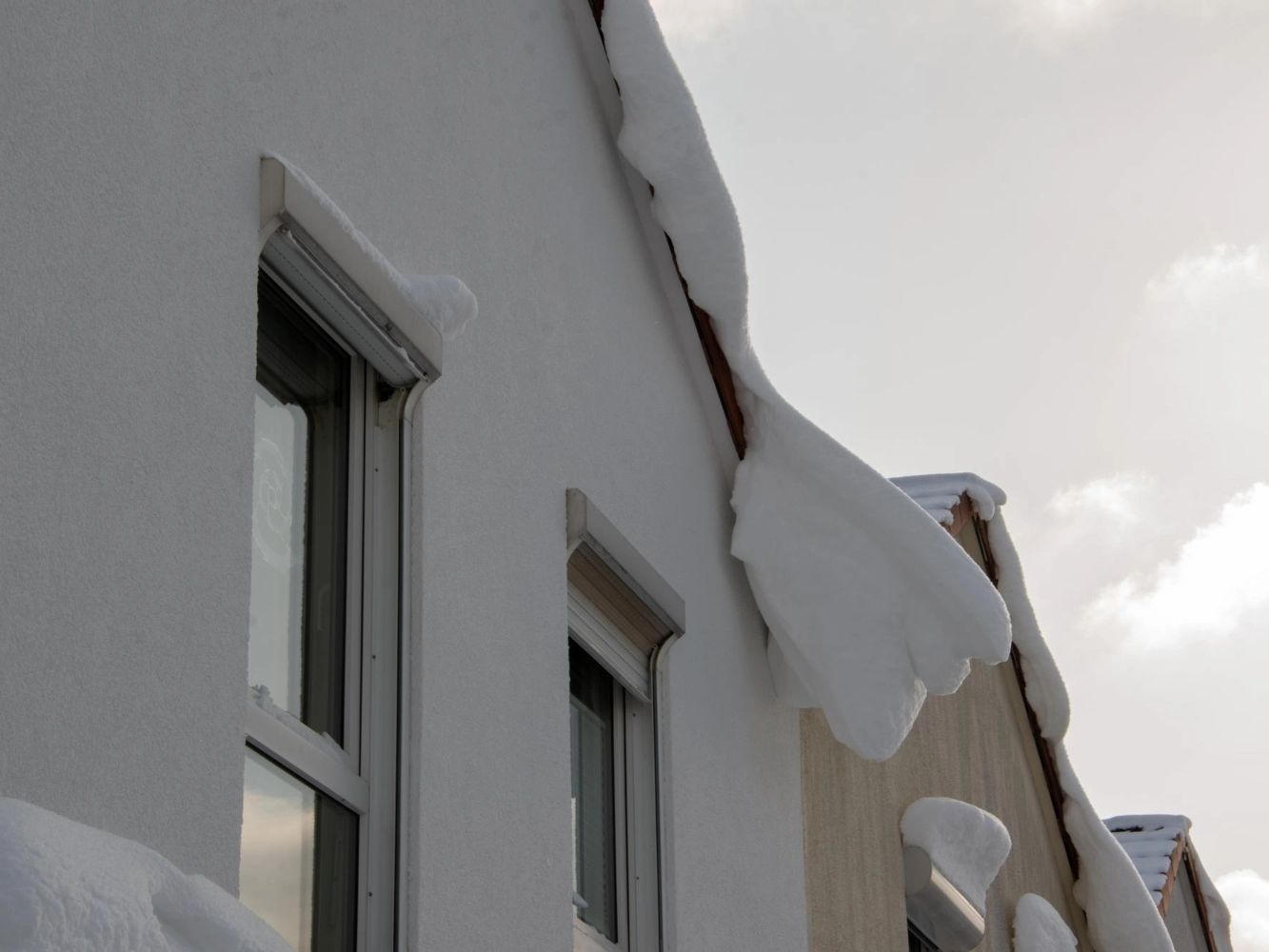
Winter in New Jersey is when your stucco endures the harshest conditions: freezing temperatures, snow, ice, and strong winds. By the time winter arrives, you ideally want all repairs done and your stucco sealed up, because once it’s cold, it’s not practical to do patching or painting. However, winter still requires some care and vigilance. The focus during this season is on protecting your stucco from moisture and physical damage. Here are winter maintenance tips to help your stucco withstand the cold months:
- Keep snow and salt away from stucco: After each snowfall, shovel or brush snow away from the base of your stucco walls. Don’t let snowdrifts lean against the house, because when they melt, water can seep into the stucco or foundation and then refreeze. Also, use de-icing salts sparingly near stucco. Salt can leave white stains (efflorescence) and even damage the stucco surface over time. Try to shovel and sand icy areas near the house instead of heavy salt use. If salt is necessary, rinse off any salty residue from your stucco when the weather allows. Keeping snow and salt away will help your stucco avoid moisture and chemical damage during winter.
- Watch for icicles and interior leaks: Icicles hanging from your gutters or eaves are a warning sign in winter. They often indicate that gutters are clogged or an ice dam is forming on the roof, which can force water into places it doesn’t belong. Carefully remove large icicles if it’s safe (they can tear off gutters or damage siding if they fall). More importantly, keep an eye on your interior walls after storms. If you notice any damp spots or discoloration on inside walls or ceilings, it could mean that melting snow or ice is infiltrating behind your stucco. Address these signs promptly by dealing with the ice and drying out the area, and call a professional if necessary. Catching a leak early in winter can save you from extensive water damage.
- Hold off on major stucco work: Winter’s cold temperatures are not suitable for extensive stucco repairs or painting, since materials won’t cure properly. If you notice an issue that isn’t an emergency, do a temporary patch if possible and plan to have it properly repaired in spring when the weather allows.
Conclusion & Year-Round Care Benefits
By following this seasonal stucco care checklist, New Jersey homeowners can protect their stucco and avoid costly repairs. A little preventative maintenance each season goes a long way. To recap: clean and inspect in spring to catch winter damage early; use the warm summer months to clean, paint, or repair as needed (and keep mold at bay); fortify your stucco in fall by sealing cracks and preparing for the cold; and be watchful in winter to minimize moisture and salt damage.
Stucco is a sturdy, attractive exterior, but it’s also the skin of your house – it needs some TLC to stay healthy. The payoff for keeping up with stucco maintenance is a beautiful home exterior that stands up to New Jersey’s ever-changing weather. Your home will not only look well-kept and inviting, but it will also be better protected from the elements year-round.
If you’re ever unsure about a stucco issue or you simply don’t have the time to handle a task, consider reaching out to a professional. ZD Stucco Repair is here to help New Jersey homeowners with inspections, maintenance, and repairs to keep your stucco in top condition. We have the experience to spot potential problems early and the expertise to fix them right. Don’t wait for a small stucco crack to turn into a large costly repair – contact ZD Stucco Repair today for friendly, professional stucco service and a free estimate for your New Jersey home. We proudly serve communities throughout New Jersey and look forward to helping you keep your stucco in prime condition.