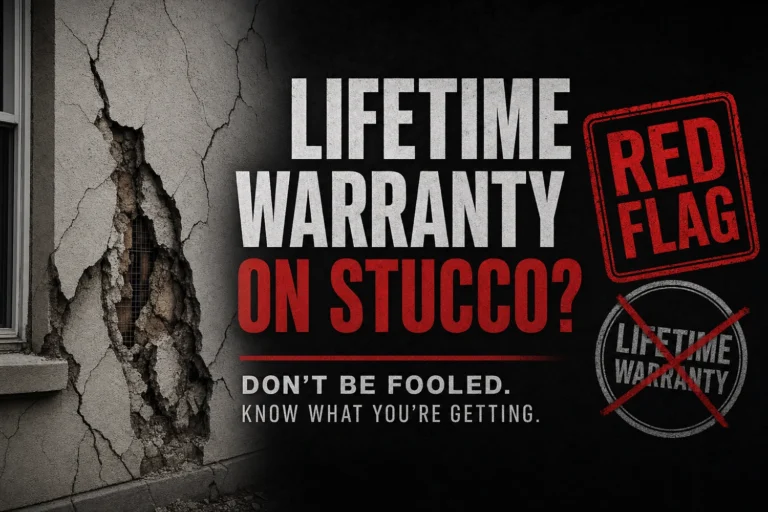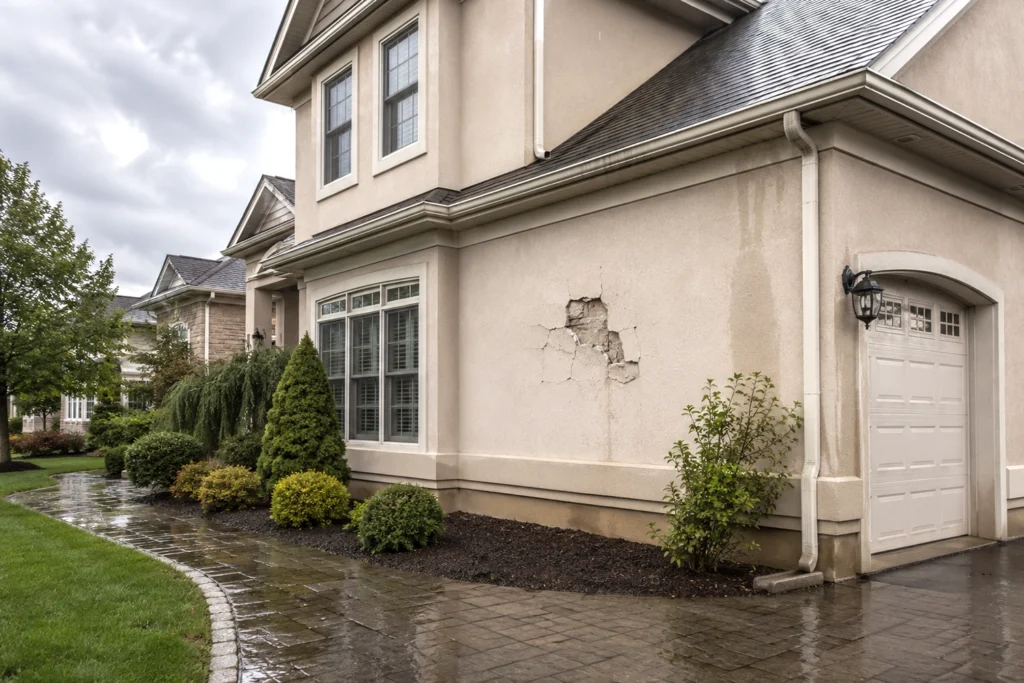
Yes, homeowners insurance covers stucco damage if it is caused by a sudden and accidental event, such as a severe storm or a burst pipe. However, it typically does not cover gradual stucco deterioration, poor installation, or maintenance neglect.
Understanding what your policy covers before you need to file a claim is crucial. In New Jersey, where harsh winters, heavy rain, and high humidity are common, stucco exteriors face significant environmental stress. If you own a stucco home in the Garden State, navigating the complexities of insurance coverage can mean the difference between a fully funded repair and a devastating out-of-pocket expense.
What is the difference between sudden and gradual stucco damage?

The distinction between sudden and gradual damage is the most important factor in determining whether your insurance will cover a stucco repair claim. Insurance policies are designed to protect against unforeseen disasters, not to serve as maintenance plans for your home’s exterior cladding.
Sudden and accidental damage occurs immediately as a result of a specific, identifiable event. For example, if a severe Nor’easter blows a heavy tree branch into your home, puncturing the stucco and allowing wind-driven rain to enter, this is considered a sudden peril. Standard homeowners insurance policies typically cover this type of damage, often extending coverage to the ensuing interior water damage that may result from the initial breach.
Gradual damage, on the other hand, develops slowly over months or years. If your stucco was installed without proper flashing or a functional drainage plane, moisture will slowly seep behind the exterior. This hidden moisture causes the underlying wood sheathing to rot and encourages mold growth. Because this water infiltration happens over an extended period, insurance adjusters classify it as wear and tear, maintenance neglect, or a construction defect. In almost all cases, a stucco damage claim denied by an insurer falls into this gradual damage category.
| Damage Type | Characteristics | Typical Insurance Status |
|---|---|---|
| Sudden Damage | Immediate, caused by a specific event (storm, fire, impact) | Usually Covered |
| Gradual Damage | Slow progression, caused by poor installation or lack of maintenance | Usually Denied |
| Ensuing Loss | Secondary damage caused by a covered peril (e.g., rot from a burst pipe) | Potentially Covered |
| Pre-existing | Damage present before the policy began | Always Denied |
How does poor installation affect homeowners insurance stucco coverage?
Improper installation is one of the leading causes of stucco failure in New Jersey, and it significantly impacts your insurance coverage. If a contractor failed to install the necessary water-resistive barriers, weep screeds, or flashing, your stucco system cannot effectively manage moisture. These critical components are essential for directing water away from the wall assembly and allowing any trapped moisture to escape safely.
When damage results from these construction defects, your homeowners insurance will likely deny the claim, citing the “faulty workmanship” exclusion found in most standard policies. The insurer’s position is that the damage was inevitable due to the poor installation, not an accidental occurrence. This distinction is important because it shifts responsibility from the insurance company to the party responsible for the defective work.
However, you may not be entirely responsible for the remediation costs. If the stucco was installed relatively recently by a licensed professional, the liability may fall on the builder or the contractor’s commercial insurance policy. New Jersey homeowners must act quickly, as the state’s statute of repose limits the timeframe during which you can hold a builder legally responsible for construction defects. To ensure your repairs are handled correctly moving forward, it is essential to hire professional stucco repair services.
What is an ensuing covered loss in a stucco insurance claim?
An “ensuing covered loss” is a critical concept that can provide a pathway to compensation even when the initial cause of the stucco damage is excluded from your policy. This clause in many insurance policies states that while the policy may not cover the faulty workmanship itself, it might cover the secondary damage that results from a covered peril.
For instance, if rain (a covered peril in some contexts) enters your home through improperly installed stucco and damages your interior drywall, insulation, or hardwood floors, the insurer may cover the cost of repairing the interior damage. While they will not pay to replace the poorly installed stucco exterior, covering the ensuing interior damage can still save you thousands of dollars in settlement costs. This concept has helped many New Jersey homeowners recover substantial compensation for water damage that would otherwise have been their responsibility.
Navigating ensuing loss claims requires meticulous documentation and often the expertise of a public adjuster or an insurance attorney. They can help prove that the secondary damage was a direct result of a covered peril, maximizing your claim approval chances up to your policy limits. The key is demonstrating a clear causal chain between the covered event and the resulting damage.
How does the type of stucco impact your insurance policy?
The specific type of stucco on your New Jersey home can influence both your premiums and your ability to secure coverage. Insurers evaluate risk differently based on the exterior cladding material and the system’s ability to manage moisture.
Traditional Hard-Coat Stucco is a cement-based material applied over a metal lath. It is highly durable and naturally fire-resistant, with a typical lifespan of 50 to 80 years when properly maintained. When properly maintained, traditional stucco is generally viewed favorably by insurance companies and rarely causes coverage issues. This material has been used successfully for centuries and has a proven track record in various climates, including New Jersey’s humid, wet environment.
Exterior Insulation and Finish Systems (EIFS), often called synthetic stucco, present a more complicated insurance scenario. Older EIFS installations, particularly those from the 1990s and early 2000s, were designed as barrier systems without an internal drainage plane. These systems became notorious for trapping moisture and causing severe structural damage. Due to this history, many insurance companies are hesitant to provide coverage for homes with older EIFS, or they may require a comprehensive expert assessment before issuing a policy. Modern drainable EIFS systems are much safer and more acceptable to insurers, but you may still need to provide proof of the system type to your insurance company.
What steps should you take if you suspect stucco water intrusion?
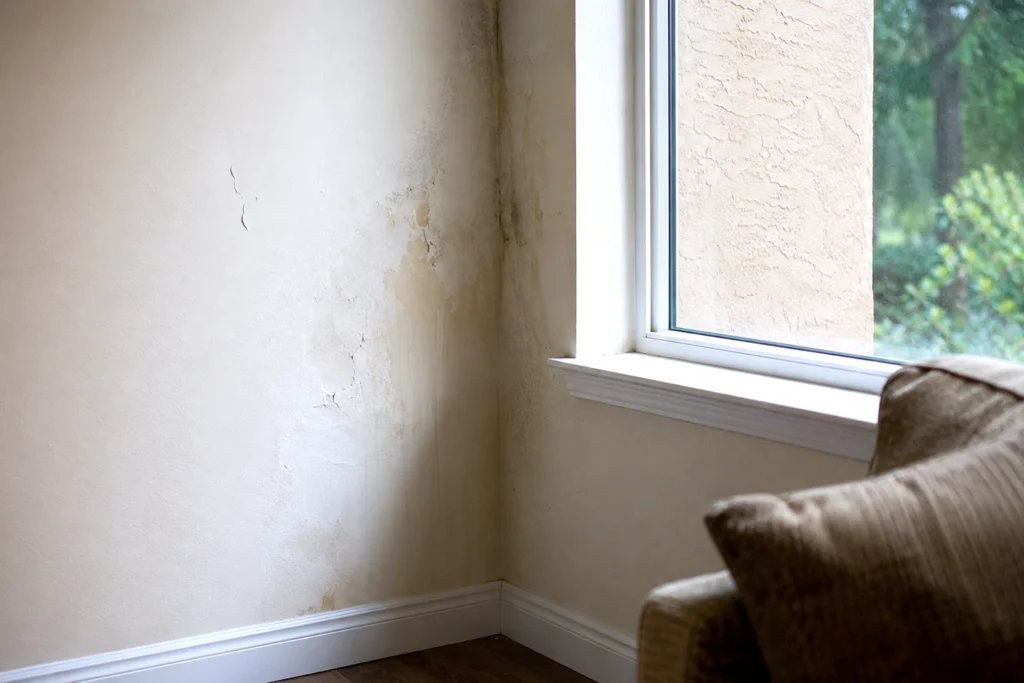
Discovering potential stucco damage can be stressful, but taking the right steps immediately can protect your property value and strengthen a potential insurance claim. The actions you take in the first days after discovering damage can significantly impact whether your claim is approved or denied.
First, document everything with precision. Take clear, date-stamped photographs of any visible cracks, dark stains, bubbling paint, or interior water spots. This visual evidence is crucial for the insurance adjuster and establishes a timeline of when the damage was discovered. Include photos from multiple angles and distances to provide context.
Second, mitigate further damage responsibly. If water is actively entering your home, take temporary measures to stop the leak, such as applying a tarp or sealing openings with waterproof tape. However, do not make permanent repairs before the insurance company has inspected the damage, as this can lead to a denied claim. Insurers need to assess the damage in its original state to determine coverage.
Third, you must schedule a comprehensive stucco inspection. A visual check is not enough to satisfy insurance company requirements. A certified stucco inspector will perform invasive moisture testing, drilling tiny holes to measure the moisture content of the wood substrate behind the stucco. This forensic inspection report provides the undeniable data required to prove the extent and cause of the damage to your insurance company. The inspection typically costs between $500 and $2,000 but can be the deciding factor in a claim worth tens of thousands of dollars.
Frequently Asked Questions
Does insurance cover stucco cracks?
Insurance typically does not cover minor stucco cracks caused by normal settling or wear and tear. However, if the cracks were caused by a sudden, covered event like a severe storm or a falling tree, the repair costs may be covered. The key distinction is whether the damage resulted from an identifiable, sudden event or from gradual deterioration over time.
Will my homeowners policy cover stucco deterioration?
No, standard homeowners policies do not cover gradual stucco deterioration. Deterioration is considered a maintenance issue or the result of natural aging, which are standard exclusions in almost all property insurance policies. Your policy is designed to cover sudden, accidental damage, not the slow wear that occurs over time as your home ages.
What happens if my stucco damage claim is denied?
If your claim is denied, carefully review the denial letter to understand the specific policy exclusion cited. You can appeal the decision, hire a public adjuster to negotiate on your behalf, or explore whether the original builder is liable for construction defects. An insurance attorney can help you determine if the denial was justified or if you have grounds for legal action against the insurer.
Does insurance cover stucco repair cost in New Jersey?
Insurance will cover the stucco repair cost in New Jersey only if the damage resulted from a sudden and accidental peril covered by your specific policy, such as wind-driven rain from a storm, rather than gradual moisture intrusion. Review your policy’s list of covered perils to understand what events trigger coverage for stucco damage on your home.
How do I prove my stucco damage was sudden and accidental?
To prove damage was sudden, you need prompt documentation. Take photos immediately after the event (like a storm), keep records of the weather conditions on that date, and obtain a professional inspection report detailing the acute nature of the damage. Weather records and news reports of the storm can corroborate your claim and strengthen your position with the insurance company.
Key Takeaways
Understanding your homeowners insurance coverage for stucco damage is essential for New Jersey homeowners. The critical factor is the distinction between sudden and accidental damage, which is typically covered, and gradual deterioration, which is almost always excluded. If you suspect stucco damage, act quickly to document the problem, mitigate further damage, and obtain a professional inspection. This proactive approach can mean the difference between a covered claim and a significant out-of-pocket expense.
About the Author
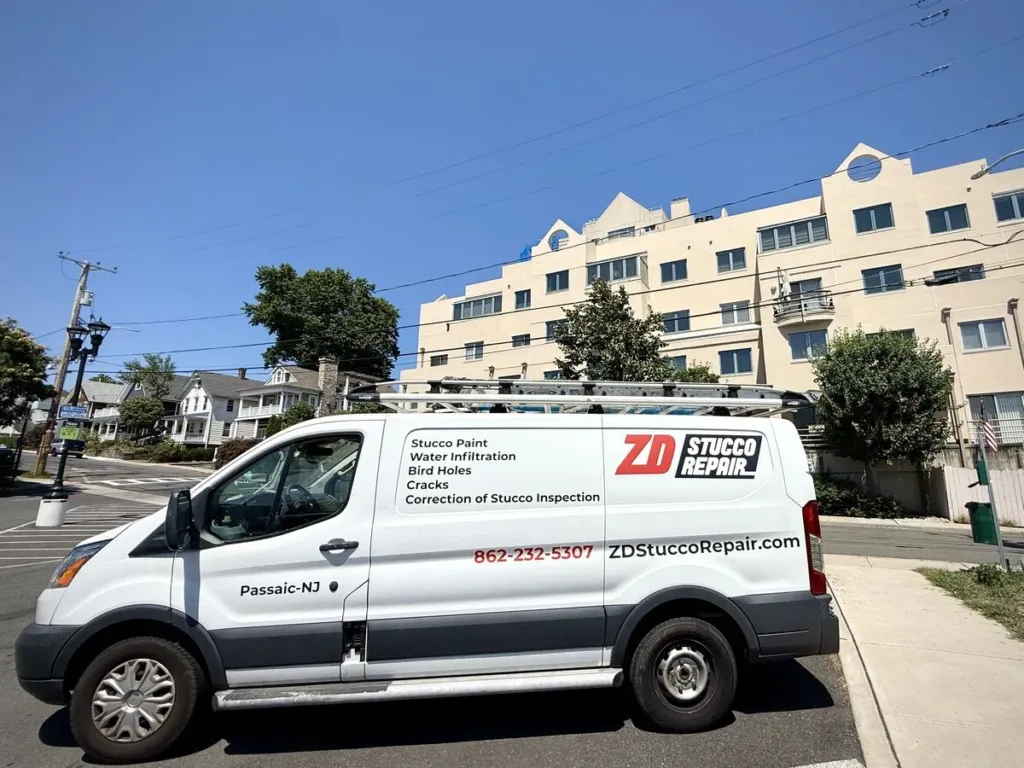
The ZD Stucco Repair Team brings decades of combined experience in diagnosing, repairing, and protecting stucco homes against New Jersey’s challenging climate. As the region’s premier stucco remediation specialists, we understand the complexities of insurance claims and work with homeowners to ensure their properties receive the protection they deserve. Our expertise spans traditional hard-coat stucco, EIFS systems, water intrusion remediation, and comprehensive inspection services.
Contact ZD Stucco Repair
• Phone: 862-232-5307
• Email: services@zdstuccorepair.com