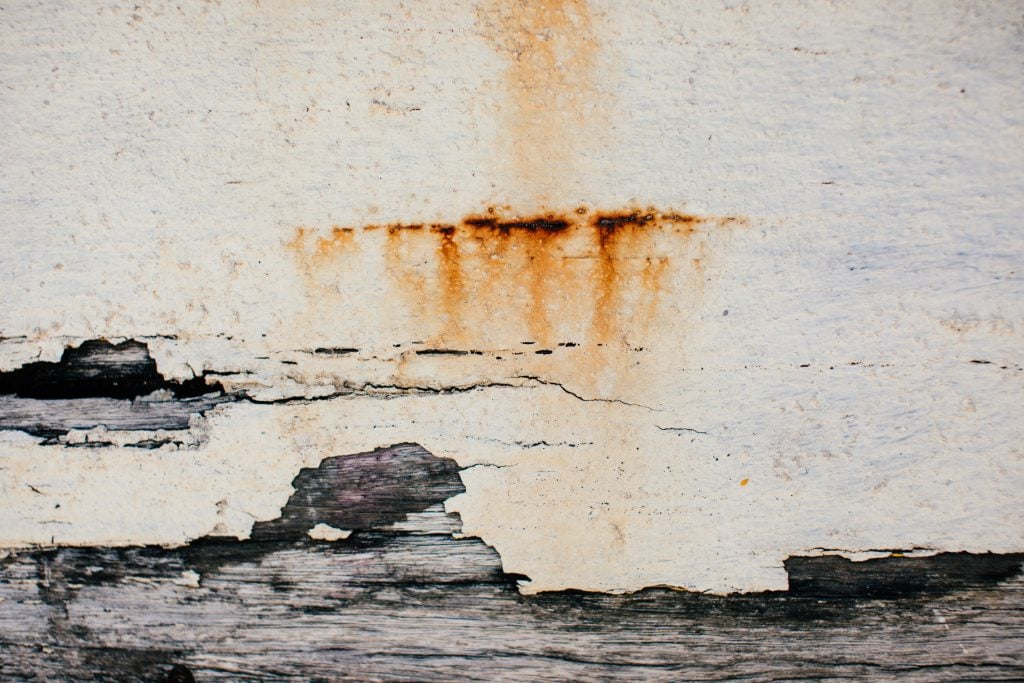
Homeowners are often surprised that their home’s cladding is dirty before they even move in. However, the truth of the matter is that stucco is a porous material, which means it absorbs dirt, grime, and dust more readily than other types of material.
This is why it is imperative to clean stucco regularly if you want to maintain the pristine condition of your house. But what is the best method for this?
Do you have to hire a professional to do the cleaning, or can you do it alone?
Today, I am going to discuss the basics of cleaning dirty stucco. I will also share some tips that you can employ to clean stucco yourself.
Step 1: Know Your Stucco
Before you begin cleaning your stucco, you need to identify what kind of stucco you have.
There are two different types of stucco:
- Traditional Stucco – Traditional stucco is made up of a combination of Portland cement and lime. It’s also called Portland cement stucco.
EIFS (Exterior Insulation and Finish Systems) – EIFS is a newer type of stucco, which became popular in the 1990s. EIFS is made up of three components.
These three types of stucco have different cleaning requirements, so be sure to know what type you have.
Step 2: Choose the Right Cleaning Method
There are three main cleaning methods for stucco:
- Manual Cleaning – Manual cleaning is the most popular method for cleaning stucco. The method involves a person scrubbing the stucco with a stiff brush and a cleaning solution.
Power Washing – Power washing involves spraying a cleaning solution on the stucco and then using a power washer to blast the solution off the stucco.
Dry Scrubbing – Dry scrubbing is a popular method of cleaning stucco, which involves using a dry scrubbing sponge to wipe the stucco from top to bottom.
There isn’t a best method for cleaning stucco. It depends on your needs and preferences.
Manually cleaning stucco is a good option for people who have a lot of time on their hands. Power washing is a good option for people who have a busy schedule and don’t have the time to clean the stucco themselves. The third option is a good option for people who have a busy schedule and don’t have the time to clean the stucco themselves.
Step 3: Cleaning Stucco from the Bottom Up
The best way to clean stucco is from the bottom up. This is because the bottom layers of stucco are the most difficult to clean. You’ll have to scrub the bottom layers of stucco for a long time if you try to clean them from the top down. The stucco is porous, which means that you can clean it from the bottom up without worrying about damaging the surface.
The single biggest myth about stucco is that you can clean it once in the spring and never have to do it again. The truth is that it takes time to properly clean stucco. If you want to maintain the pristine condition of your house, you’ll have to clean it at least once every 6 months.
Remediating Stucco Siding to Prevent Future Issues
Stucco siding can be a great choice for remodeling your home. It’s used in a variety of applications, including residential and commercial projects. However, stucco siding needs to be maintained to prevent it from deteriorating. Let’s look at how to restore and maintain stucco siding to keep it looking great and prevent future problems.
Step 1: Clean and Patch the Siding
You’ll need:
- Pressure washer (optional, but great for removing dirt and debris)
- Detergent
- Scrub brush
- Rags
- Patch compound
- Putty knife
- Stucco patch compound
Step 2: Power Wash the Siding
If you have a pressure washer, you can power wash the siding to remove dirt and debris. If not, you can still use a pressure washer to remove debris, then scrub the siding with a scrub brush and a cleaning solution.
Step 3: Repair the Leaks
Now that you’ve cleaned the siding, it’s time to patch any leaks in the stucco. If you have a small leak, you can use the patch compound to seal the leak. Simply apply the compound over the leak and smooth it out with a putty knife. If you have a larger leak, you’ll need to repair the stucco. You can do this with a hammer and a chisel or a machine that injects a bonding agent into the stucco.
Step 4: Apply a Wash Coat
To prevent stucco from discoloring over time, it’s a good idea to wash the stucco. Depending on the severity of the discoloration, you can either use a pressure washer or a power washer to apply the wash coat. If you use a pressure washer, be sure to use a detergent to avoid damaging the stucco.
Step 5: Apply a Finish Coat
After you’ve washed the stucco, you’ll want to apply a finish coat. This will help to seal the stucco and protect it from UV rays. You can apply the finish coat with a paintbrush or a sprayer.
Step 6: Test the Compound
To test the compound, mix two parts of a compound with one part of water. This should give you a nice, thick compound that will easily spread. You should be able to run your finger along the compound and feel where it’s been applied without any noticeable change in the feel of the compound.
Difference between Stucco Repair & Stucco Remediation
Stucco is a type of coating that can be applied to walls, ceilings of homes, and commercial buildings. This coating layer is designed to protect the actual structure of the building from the elements, including rain, snow, wind, etc., while also adding aesthetic appeal to the building. Stucco has been used by people living in colder climates, as it helps to insulate the building, keeping the heat in during the winter, and the cold out during the summer.
Stucco is made up of sand, water, cement, and lime, all of which are mixed into a thick paste. The paste is applied to the face of the building, where it will harden. Stucco can be painted, which is how some people can have multiple colors on the same building. Stucco repair is something that is required over time, as the elements will deteriorate the stucco on the building. Stucco repair involves the application of new stucco on the building, to repair any damage. Stucco remediation involves removing all of the old stucco, and repairing the underlying problem, including fixing the cracks and holes in the building, before applying new stucco.
Stucco repair and remediation are two different processes, and they should be administered by two different companies. While both of these companies can be found online, it is best to look for a stucco remediation company in person. This is because stucco repair and remediation is a very serious process, and it is best to look for a company that is experienced and well-established. The importance of this cannot be stressed enough, as stucco repair and remediation can be very dangerous. If not done correctly, it can cause serious injury to those working on the site, as well as those living in the house.
Stucco repair and remediation companies will often work with a homeowner to agree on the best process. This may include hiring a stucco remediation company to fix the problem and then hiring a stucco repair company to fix the new stucco.