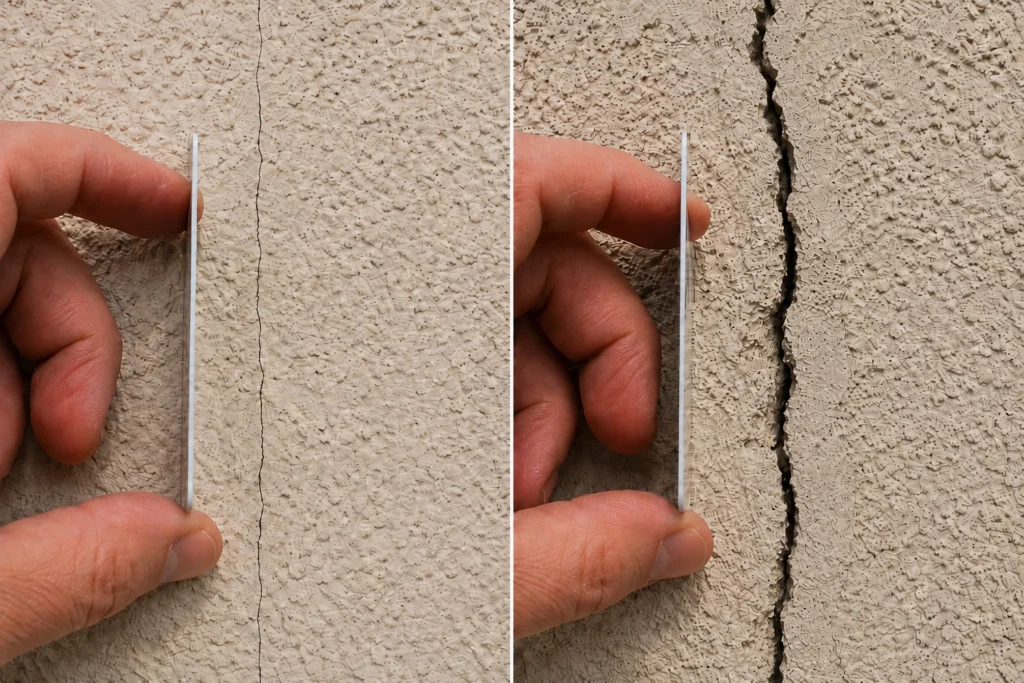
Cracks thinner than a credit card (1/16 inch) are almost always cosmetic settlement cracks. Cracks wider than 1/8 inch, growing diagonally, or accompanied by staining are structural red flags that require professional evaluation.
Spotting a crack on your home’s exterior is enough to make any homeowner’s stomach drop. The question we hear most often at ZD Stucco Repair is simple but urgent: “Should I be worried about this?”
The honest answer is: it depends on the crack. Not all stucco cracks are created equal. Some are a completely normal part of how buildings age and settle. Others are warning signs of deeper structural problems that, left unaddressed, can lead to water infiltration, wood rot, mold growth, and costly foundation repairs.
This guide gives you a clear, practical framework for identifying what type of crack you’re dealing with, so you can make an informed decision, not a panicked one.
Are Stucco Cracks Normal? Understanding Settlement
The short answer is yes, stucco cracks are normal, and virtually every stucco home will develop them over time. The real question is not whether cracks appear, but what kind they are.
Every building goes through a natural process called house settling. As the structure adjusts to the soil beneath it and responds to seasonal temperature changes, minor stress is transmitted through the exterior finish. In New Jersey, this process is amplified by the region’s significant freeze-thaw cycles: water expands as it freezes inside micro-pores in the stucco, widening tiny gaps with each winter season.
Hairline cracks in stucco, those thin, almost hair-width lines you can barely fit a fingernail into, are the most common result of this process. They typically appear within the first one to three years of a home’s life as the Portland cement mix undergoes its final shrinkage, or as the wooden framing dries and slightly shifts. Cracks in new stucco are therefore not a cause for alarm in most cases, provided they remain narrow and stable.
Common Causes of Settlement Cracks
Settlement cracks in exterior stucco typically share three root causes. First, shrinkage occurs as the cement-based mix loses moisture during the curing process, a physical inevitability, not a sign of poor workmanship. Second, thermal expansion forces the material to expand in summer heat and contract in winter cold, creating micro-stress at weak points. Third, the natural settlement period of a new home causes the wooden framing to dry, shift slightly, and transmit that movement to the exterior finish.
These cracks are generally shallow, confined to the surface coat, and do not penetrate the wire mesh lath or the structural layers beneath. They are cosmetic damage worth repairing to prevent moisture intrusion, but not a sign that your home is in danger.
When Should I Worry About Cracks in My Stucco?
Stucco cracks become a serious concern when they cross certain thresholds of width, pattern, depth, or behavior over time. Here is what distinguishes a structural crack from a cosmetic one.
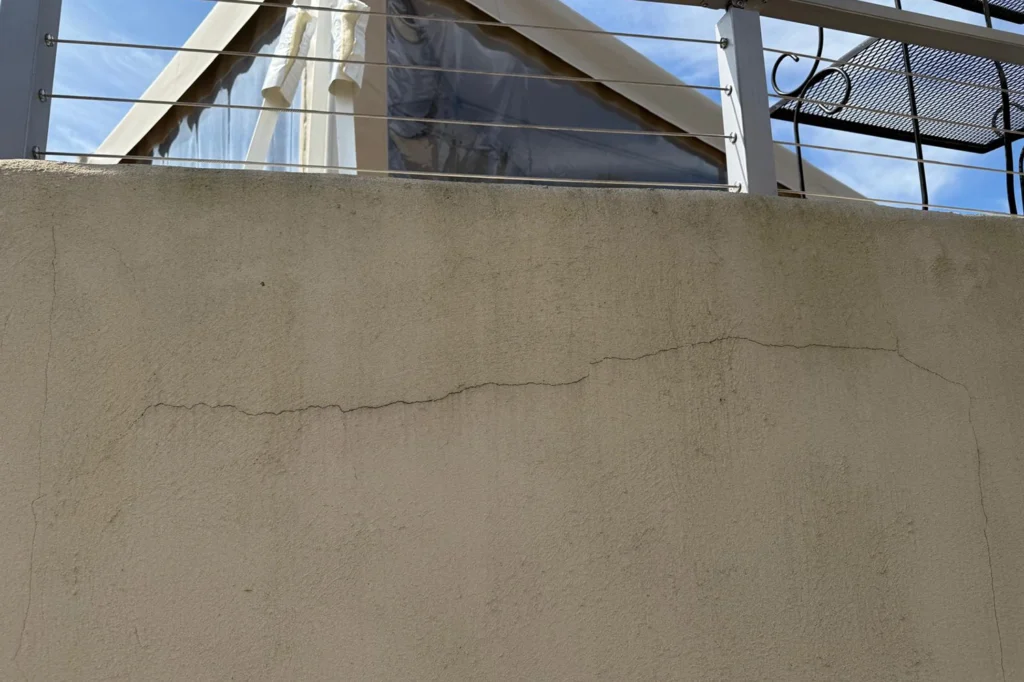
A crack is likely structural when one or more of the following conditions are present:
Width exceeds 1/8 inch. At this size, the crack is wide enough to allow significant water infiltration and typically reflects movement that goes beyond normal thermal expansion. The edges of the crack may also be offset, meaning one side sits higher than the other, which is a direct sign of differential settlement or foundation shifting.
The crack follows a diagonal or stair-step pattern. Diagonal cracks in stucco, particularly those running at 45-degree angles from the corners of windows or doors, are a classic indicator of uneven foundation movement. Stair-step cracks in stucco where the fracture follows the mortar joints in a stepped pattern point to the same cause. Both patterns suggest that one part of the structure is moving independently from another.
Horizontal cracks in stucco are among the most serious. They often indicate lateral soil pressure against the foundation wall or a failure in the expansion joint system. In New Jersey’s clay-heavy soils, soil movement after heavy rain or prolonged drought can generate enough pressure to crack even well-installed stucco.
The crack is actively growing. A crack that was 1/16 inch last spring and is now noticeably wider is not stable, regardless of its current size. Monitoring is essential: place a small pencil mark at each end of the crack and note the date. If the marks move apart, call a professional.
Analyzing Stucco Crack Patterns: A Visual Guide
Understanding the geometry of a crack provides critical diagnostic information before any professional even sets foot on your property.
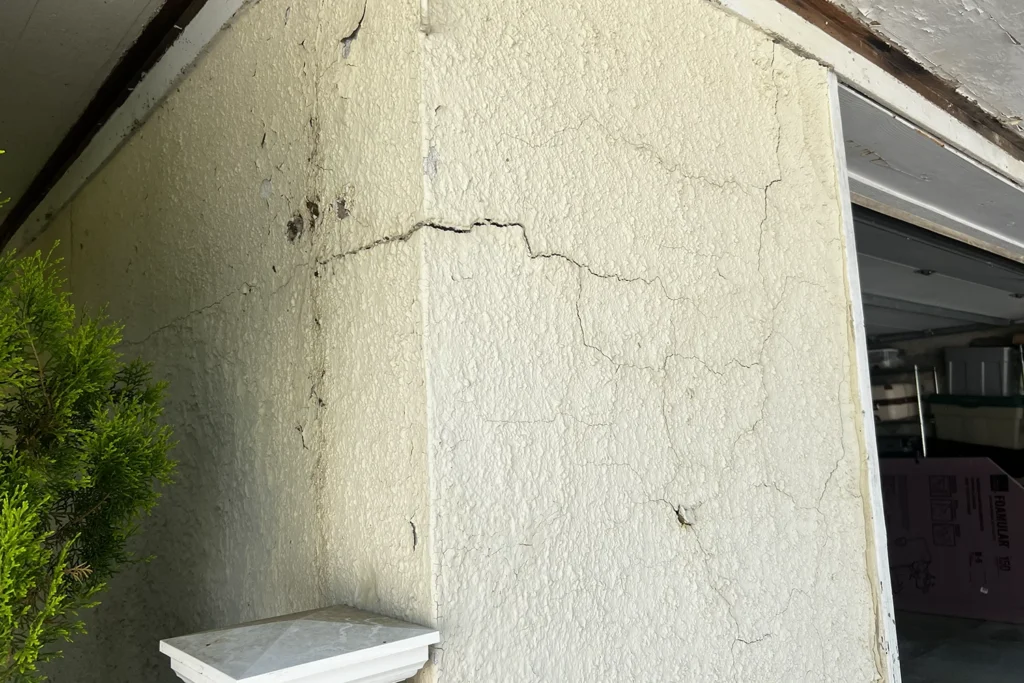
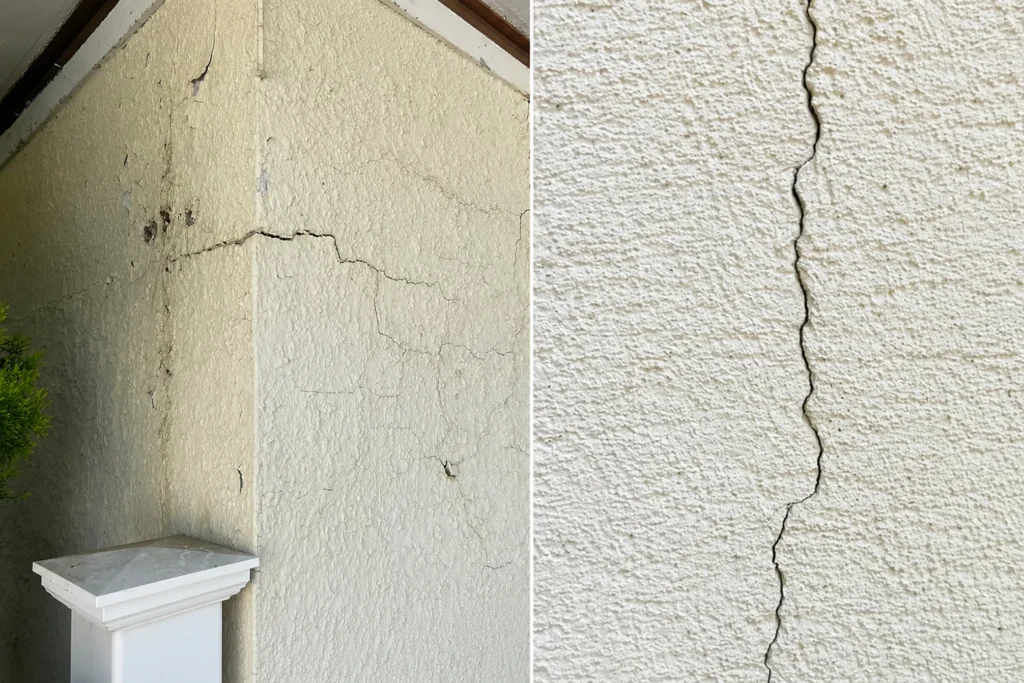
Spiderweb or map cracking, a network of fine interconnected lines covering a broad area, is almost always caused by the stucco mix drying too quickly, insufficient hydration during curing, or an overly thick application coat. While visually alarming, spiderweb cracks are typically shallow and cosmetic. They are common in homes built in the 1970s and 1980s when application standards were less rigorous.
Vertical cracks in stucco exterior that run straight up and down are often caused by the natural expansion and contraction of the building. If they remain narrow and isolated, they are generally low-risk. However, a long vertical crack that runs the full height of a wall may indicate that a load-bearing wall is under stress.
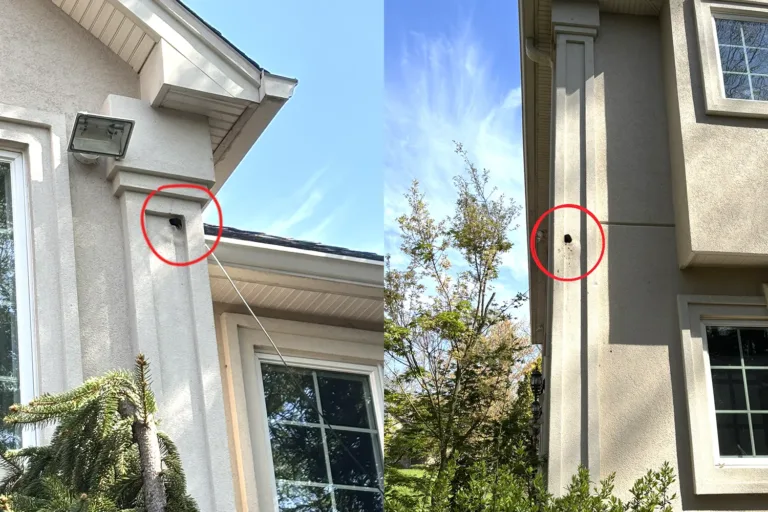
Foam trim cracks and fractures along the decorative foam molding used in many modern stucco systems are typically caused by improper installation of the fiberglass mesh tape at the seam. These cracks allow water to enter at a vulnerable transition point and should be addressed promptly.
The Width Test: How to Measure Your Stucco Cracks
You do not need specialized tools for a first assessment. The following simple tests give you a reliable baseline reading.
Hold a standard credit card edge against the crack. If the card cannot enter the gap, the crack is under 1/16 inch almost certainly a settlement crack. If a dime slides in easily, you are at approximately 1/16 inch. Monitor it. If a penny fits, you are approaching 1/8 inch schedule an inspection. If a quarter enters without resistance, the crack exceeds 1/8 inch and warrants immediate professional evaluation.
For ongoing monitoring, a crack gauge with a transparent plastic overlay with graduated markings can be adhered directly to the stucco surface. It provides a precise record of any changes in width over weeks or months, which is invaluable information for a structural engineer.
The Stain Test: Reading the Signs of Water Damage
Even small cracks in stucco can become serious problems if they allow moisture to penetrate the building envelope. Before calling a contractor, examine the area around each crack carefully for these stucco water damage signs.
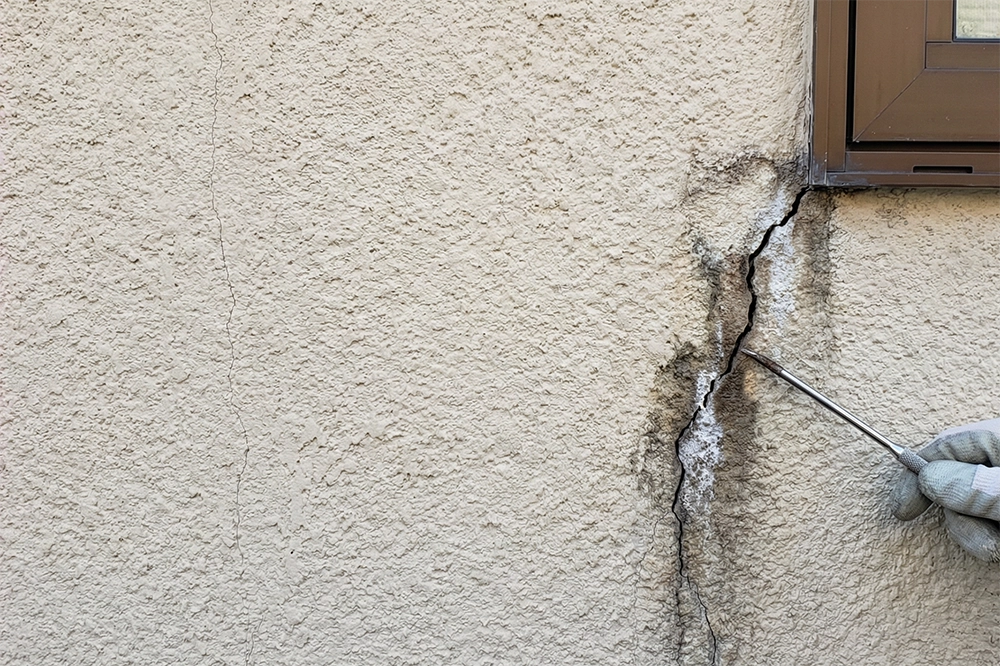
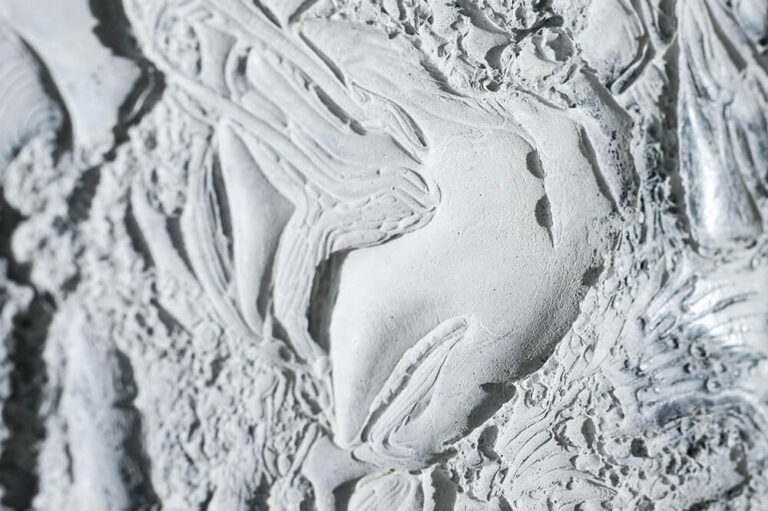
Efflorescence, white or gray crystalline deposits on the stucco surface, is the most common indicator of stucco cracks and water intrusion. As water moves through the cement, it dissolves soluble salts and carries them to the surface, where they crystallize as the water evaporates. Efflorescence itself is not structurally dangerous, but it confirms that water is actively moving through the wall system.
Rust stains brown or orange streaks running down from a crack indicate that water infiltration has reached the wire mesh lath behind the stucco, and the metal is oxidizing. This is a more urgent warning: once the lath corrodes, it expands, pushing the stucco outward and accelerating delamination. Left untreated, this leads to large sections of stucco separating from the wall.
Soft or hollow-sounding areas around a crack, detected by gently tapping the surface with a knuckle, indicate that the stucco has separated from the substrate. This is a sign of advanced moisture damage and requires full section replacement, not patching.
Can I Just Paint Over Hairline Cracks?
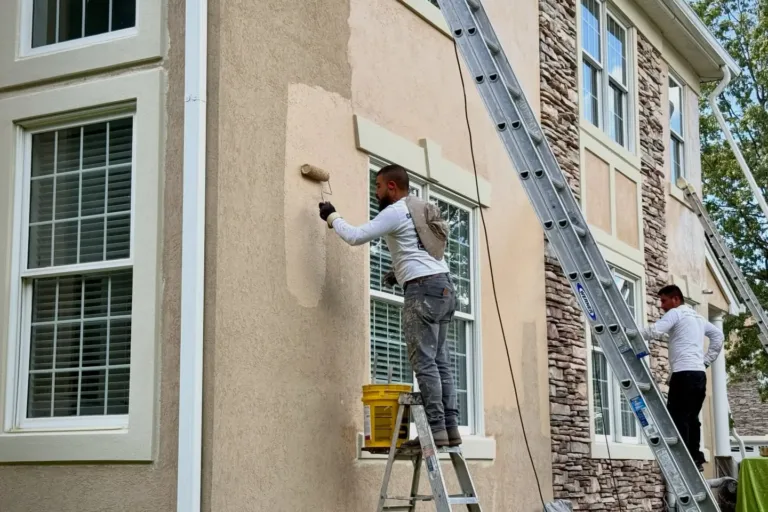
This is one of the most common questions we receive, and the answer is nuanced. Standard exterior paint will not bridge a hairline crack effectively. Within one or two seasons, the crack will telegraph through the paint film, and the underlying gap remains open to moisture.
The correct approach for hairline cracks in stucco is to apply a high-quality elastomeric coating, a flexible, rubber-based paint that can stretch up to 300% of its original dimension. This allows it to expand and contract with the stucco through temperature cycles without cracking. Applied in two coats over a properly prepared surface, the elastomeric coating effectively seals small cracks and provides long-term protection against water intrusion.
For cracks between 1/16 and 1/8 inch, a flexible elastomeric caulk should be worked into the gap before the coating is applied. This provides a physical seal in addition to the surface protection.
When to Call a Professional
If your cracks are wider than 1/8 inch, show signs of active growth, display staining or efflorescence, or follow diagonal and stair-step patterns, do not attempt a DIY repair. Filling a structural crack with patching compound masks the symptom but does nothing to address the underlying cause, and it may actually trap moisture inside the wall, accelerating hidden damage.
A professional stucco inspection by a licensed contractor will determine whether the issue is confined to the exterior finish or whether it reflects a deeper foundation or framing problem. In cases of significant foundation movement, a structural engineer’s assessment may also be required before any repair work begins.
At ZD Stucco Repair, we conduct thorough inspections across New Jersey and provide honest, detailed assessments. We will never recommend structural repair work where a cosmetic solution is all that is needed.
Frequently Asked Questions
When should I worry about cracks in my stucco?
Worry when cracks exceed 1/8 inch in width, when they follow diagonal or stair-step patterns, when they show signs of water staining or efflorescence, or when they are visibly growing over time. Any single one of these conditions warrants a professional evaluation.
Are hairline cracks in stucco dangerous?
In most cases, no. Hairline cracks under 1/16 inch are a normal result of house settling, thermal expansion, and the natural shrinkage of Portland cement. They become a concern only if they allow moisture intrusion or begin to widen.
How much does stucco crack repair cost?
The cost depends entirely on the type and extent of damage. Surface patching of small settlement cracks typically ranges from $500 to $1,500. Repairs involving water damage, lath replacement, or structural issues can range from $3,000 to $10,000 or more. Learn more about stucco crack repair in NJ.
Can I monitor cracks myself?
Yes. Mark the ends of each crack with a pencil and the date. Re-check every 30 days. If the marks move apart or the crack widens, contact a professional. A crack gauge provides more precise measurements for long-term monitoring.
The Bottom Line
Stucco cracks are a normal part of homeownership, but not all cracks are equal. Thin, stable hairline cracks are cosmetic. Wide, growing, or patterned cracks are structural warnings. The difference between the two can mean the difference between a $500 repair and a $10,000 restoration.
When in doubt, get a professional opinion. At ZD Stucco Repair, we serve homeowners across New Jersey with honest assessments and expert repairs. Contact us today to schedule your inspection.
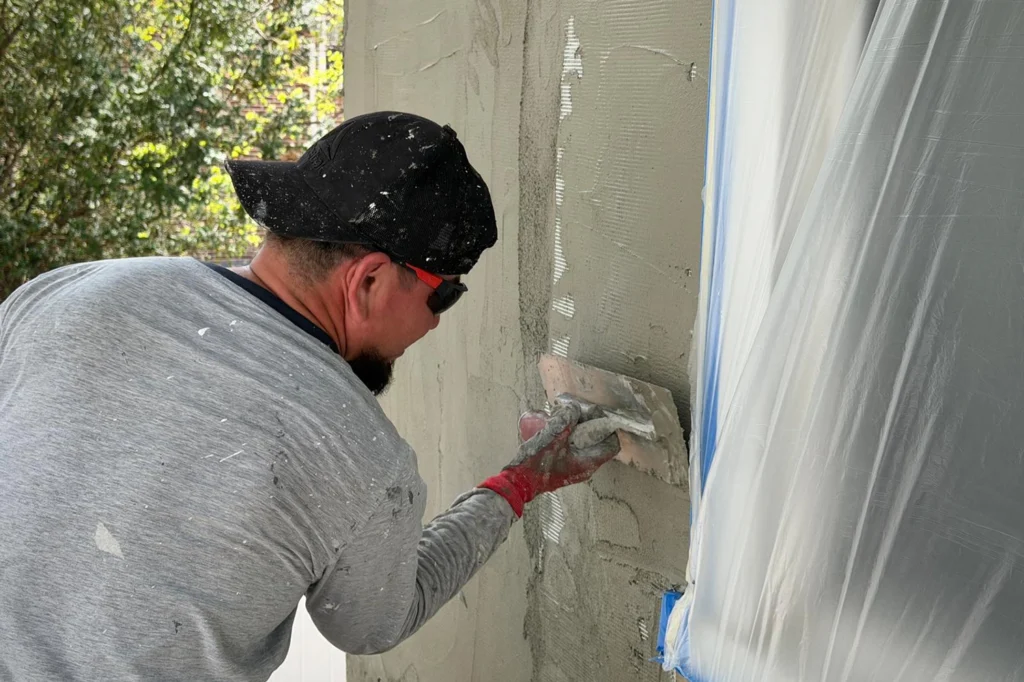
ZD Stucco Repair New Jersey’s trusted stucco specialists. We diagnose, repair, and restore exterior stucco systems with precision and integrity.