Choosing the right exterior siding is a big decision for New Jersey homeowners. Stucco (a cement-based plaster) and vinyl (PVC panels) are both popular choices. Stucco offers a smooth or textured cement finish with a classic, high-end look, while vinyl comes in many colors and patterns and sheds water easily. Each material has its own advantages and drawbacks in NJ’s climate. Below we compare their key differences – durability, cost, maintenance, aesthetics, and energy efficiency – with a focus on why high-end homes often benefit from stucco. We’ll also highlight why ZD Stucco Repair is a trusted contractor for quality stucco work in New Jersey.
Durability and Lifespan
Stucco: Traditional cement stucco is extremely durable. When applied correctly, thick stucco walls can resist harsh weather – even wind gusts up to about 80–130 mph. In practice, properly installed stucco can last 50–80 years or more. It’s non-combustible (fire-resistant) and resists pests and rot, making it a long-lasting choice. For example, ZD Stucco notes that stucco “can withstand fires” and is so tough it “can last up to fifty years without needing to be replaced”. Its concrete composition also means high resistance to hail, insects, and impact damage.
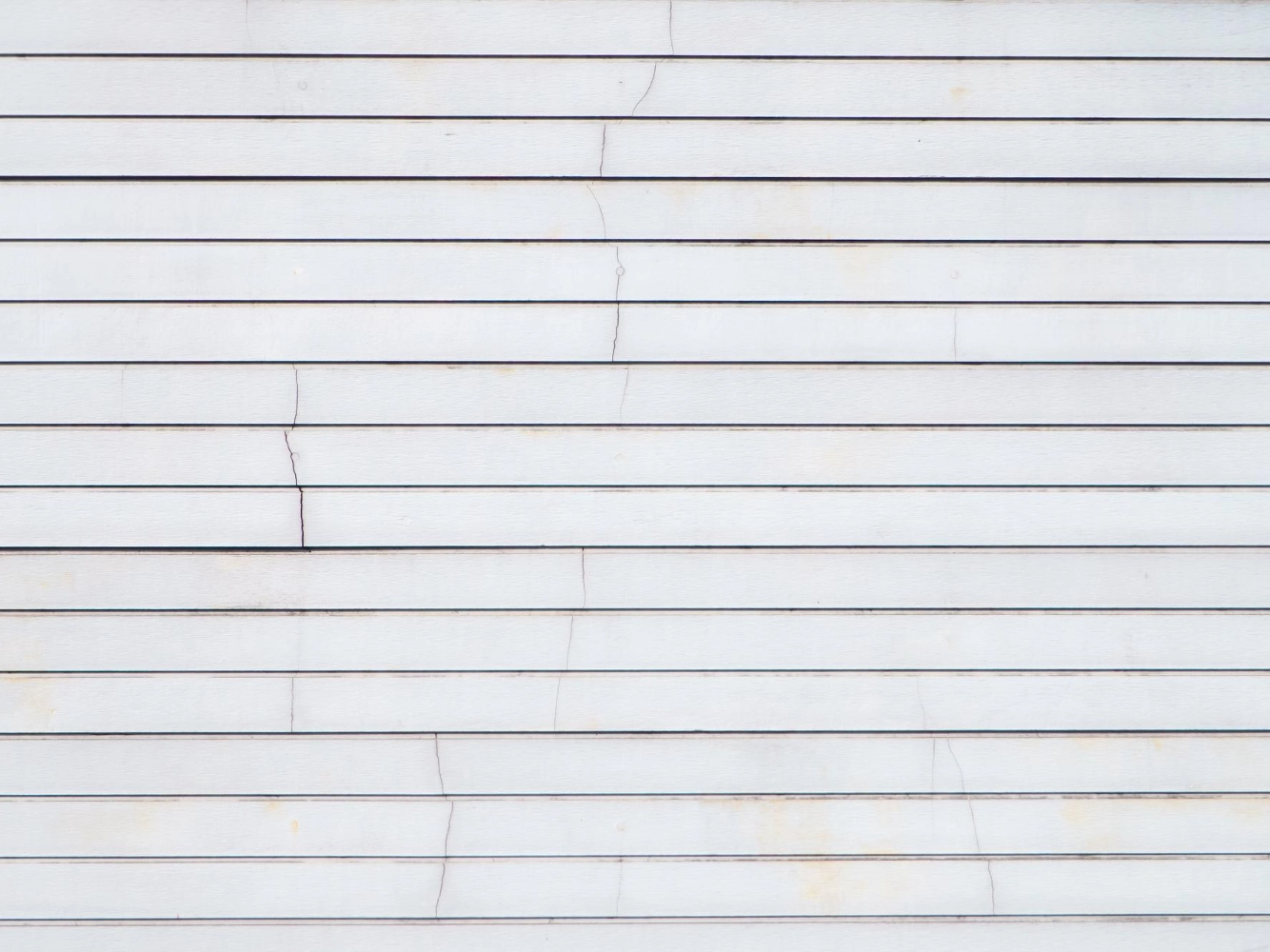
Vinyl: Vinyl siding is less durable than stucco. It generally has a shorter lifespan – roughly 20 to 40 years – because it is a plastic material that can become brittle with age or extreme cold. It will flex in heavy wind (up to ~70–110 mph), but any damage (cracks, holes or breaks) means the panel usually must be replaced entirely. Vinyl is inexpensive upfront, but it doesn’t last as long under NJ’s climate stresses. As Angi points out, “vinyl siding is less durable than stucco siding by a wide margin”, with a lifespan much shorter than stucco. Vinyl can also fade, warp, or crack in very hot sun or cold snaps.
Summary: Stucco forms a rigid shell around a house and, when maintained, can endure for generations. Vinyl is more budget-friendly initially but will need replacement sooner (around 20–30 years) and can suffer weather-related damage more easily.
Cost and Maintenance
Cost: Vinyl is generally much cheaper to install. Average installed vinyl siding runs about $3–$12 per square foot, whereas stucco is more labor-intensive and runs roughly $10–$15+ per square foot. In New Jersey, installing new traditional stucco typically costs $10–$16 per sq ft (plus extra for complex details or EIFS insulation), so a 2,000 sq ft home might be $18,000–$30,000 total. A high-end home with intricate stucco details could cost $20,000+. Vinyl siding, by comparison, is much less labor and material to put up.
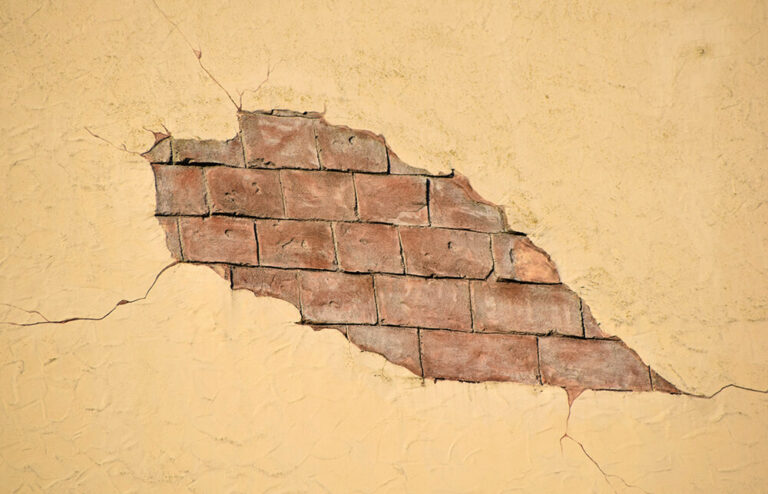
Maintenance: Stucco’s maintenance usually means inspecting and repairing cracks or damage early. Stucco can develop hairline cracks or minor chips over time, especially in freeze-thaw cycles or settling. These need prompt attention (caulking or patching) to prevent moisture intrusion. Stucco is often tinted or painted, so every 10–15 years a fresh coat may be applied to renew color and seal the surface. Aside from that, stucco is fairly low-maintenance – a regular gentle cleaning can keep it looking good. ZD Stucco Repair warns that “small cracks can lead to further damage, potentially costing thousands to fix later on,” so early repairs pay off.
Vinyl siding is very low-maintenance. It doesn’t need painting – vinyl’s color is mixed into the material – and it won’t rust or rot. An annual cleaning with a hose or pressure washer usually removes dirt or mildew. If a vinyl panel does crack or ding, that small section can often be removed and snapped in place with a replacement piece. However, vinyl does not handle heavy heat or cold as well, and panels can buckle or become brittle over time. Unlike stucco, you can’t repaint vinyl easily: a faded color usually requires panel replacement.
Summary: Vinyl has a lower upfront cost and minimal maintenance (mostly cleaning). Stucco costs more to install and needs occasional crack repairs and repainting, but its repairs are easier (matching stucco is straightforward) and infrequent over decades. In the long run, stucco’s durability often outweighs the higher initial investment.
New Jersey Climate Considerations
New Jersey has hot, humid summers, cold snowy winters, and coastal storms. How do stucco and vinyl cope?
Moisture: NJ’s humidity and rain can challenge exteriors. Vinyl siding sheds water very effectively: rain rolls down its smooth panels, and with proper underlayment, moisture stays out. In contrast, traditional stucco is more porous, so if it isn’t detailed correctly with moisture barriers, water can soak in and cause mold or freeze damage. (For this reason, stucco is more common in drier climates.) However, modern stucco systems include waterproof layers. ZD Stucco even offers EIFS (insulated, water-resistant stucco) with a built-in moisture barrier. In other words, an expert stucco installer will wrap the house in weather-resistant barriers and proper flashing to handle NJ’s rain. When done right, stucco homes still thrive in NJ – but it requires that extra care.
Freeze-Thaw: Winters in NJ bring cycles of freezing and thawing. Stucco must be protected from trapped water behind it; if moisture freezes, it can crack the plaster. Vinyl siding (especially insulated vinyl) tends to be more forgiving of freeze-thaw because it’s non-porous plastic. That said, high-quality vinyl products are designed with flexible locking systems to handle some movement, and properly installed vinyl will not easily crack from cold weather.
Wind and Storms: Coastal areas face strong nor’easters and hurricanes. Stucco’s solid construction can withstand very high winds (up to ~130 mph), making it a strong barrier in a storm. Vinyl holds up to roughly 70–110 mph winds; if the wind is strong enough to damage it, a vinyl panel is fairly easy to replace afterward. Both materials can be made impact-resistant (stucco can include wire mesh; some vinyl brands are rated for high winds).
Sun and Heat: NJ summers are hot. Stucco’s thick cement matrix acts as a thermal mass, so it slows heat transfer – keeping interiors cooler. (In fact, stucco has been used for centuries in hot climates for this reason.) Vinyl can also include foam backing for insulation, but raw vinyl is thinner and can expand/contract with temperature. One downside: dark-colored stucco or vinyl can fade over time; high-end stucco is often pigmented throughout or repainted to maintain color.
Summary: In a humid, freeze-thaw climate like New Jersey’s, vinyl is inherently water-resistant and low-risk, while stucco needs proper installation to avoid moisture problems. A skilled contractor will use drainable stucco systems and sealants so a stucco exterior stays dry and lasts. On the plus side, stucco delivers superior solidity for storms, and vinyl delivers easy rain-shedding. Both can work in NJ if built right, but vinyl is generally easier to install in wet conditions, whereas stucco requires more careful detailing.
Energy Efficiency
Stucco: Cement stucco on its own is not a great insulator (its R-value is low), but its thickness and high thermal mass moderate temperature swings. In practice, stucco walls stay cooler in summer and warmer in winter compared to thin cladding. Traditional stucco can be combined with insulation: modern EIFS (synthetic stucco) uses foam insulation layers behind the plaster coat. EIFS stucco can reach very high R-values (often R-3 to R-4 per inch of foam), significantly boosting energy performance. As ZD Stucco Repair notes, “Synthetic stucco (EIFS)… gives your home extra insulation as well”, making it especially energy-efficient. In short, a well-insulated stucco wall can help control heating/cooling costs.
Vinyl: Standard vinyl siding is a thin plastic panel, so alone it offers little insulation (R-value ~0.5 per inch). However, insulated vinyl siding (vinyl attached to rigid foam panels) is very common. These insulated vinyl products often reach R-3 to R-4 and can make a big difference in energy bills. According to Angi, “vinyl siding is a naturally insulated material that can help regulate indoor temperature, no matter the climate”. In practice, properly installed insulated vinyl siding acts like an extra thermal barrier on the exterior.
Summary: Stucco walls can be very energy-efficient if combined with insulation (EIFS) or a thick layered assembly. Vinyl siding relies on foam backing for insulation. In general, well-built stucco (especially EIFS) and insulated vinyl both improve a home’s R-value. According to Remodeling Magazine and ZD’s analysis, a stucco exterior “provides a 50+ year lifespan with minimal maintenance … with a measure of fire resistance and sound insulation that materials like vinyl can’t match.”. In other words, stucco can also add noise reduction and fire safety on top of its insulating mass.
Aesthetics and Home Style
Stucco: One of stucco’s biggest selling points is its appearance. Stucco offers a classic, textured look often associated with Mediterranean, Spanish, or Colonial-style homes. It can be smooth, sand-finished, or patterned, and it’s easily tinted to any earthy color. High-end stucco finishes can even mimic stone or wood patterns. For luxury homes, stucco adds architectural character and a sense of permanence. As Atlas Stucco notes, “Stucco offers a classic, Mediterranean style with a smooth surface and an earthy color palette”, which many buyers find appealing. ZD Stucco points out stucco’s versatility – it can be “textured, or made to look like stone… very versatile and can serve many different purposes” – meaning designers can achieve nearly any look.
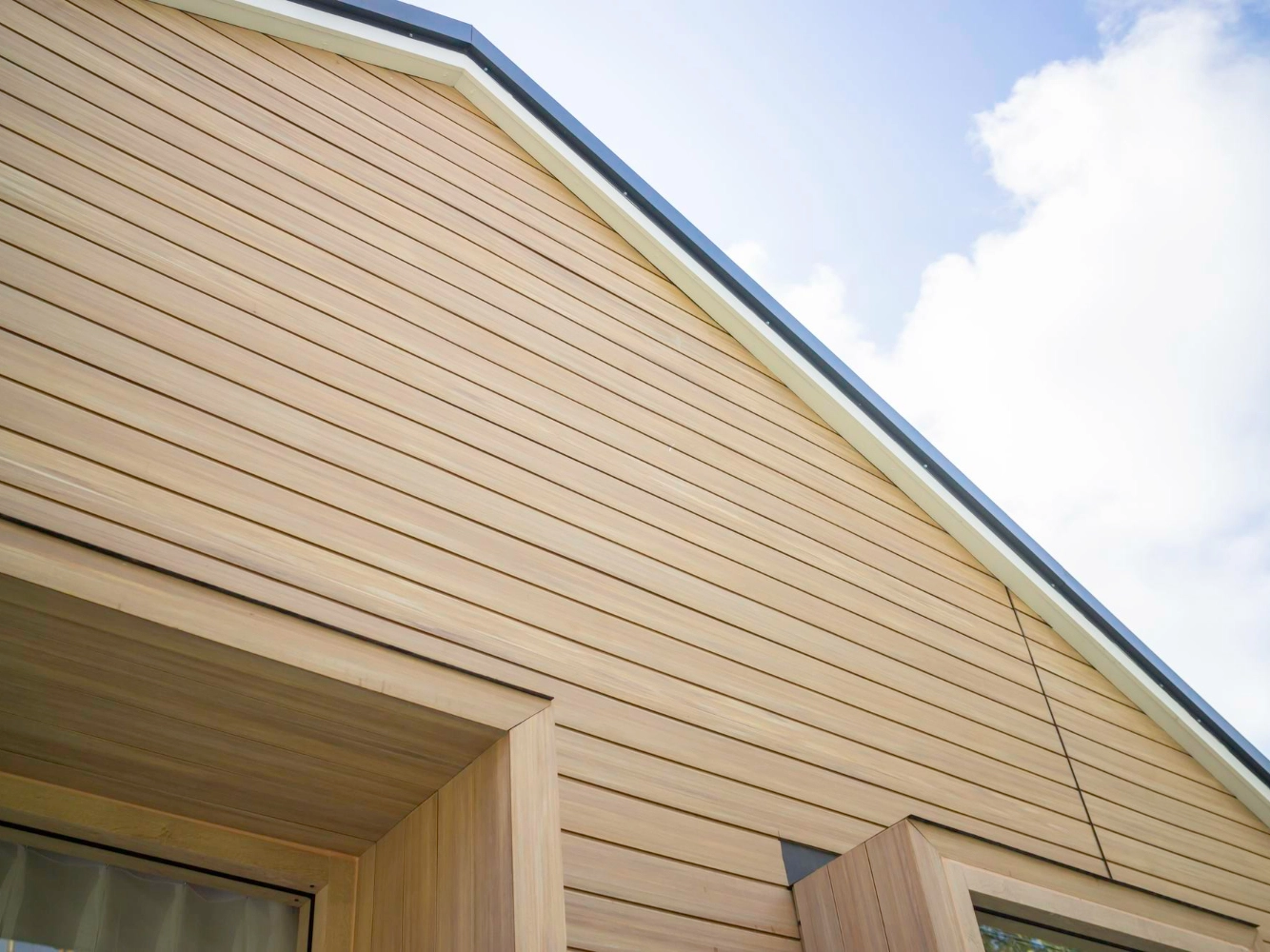
Vinyl: Vinyl siding provides a clean, uniform look. It comes in many colors and profiles (clapboard, shake-look, vertical panels, etc.), so you can match many home styles from modern to cottage. Vinyl’s appeal is its customization: you can find bright or subtle colors and simulate different materials cheaply. However, vinyl lacks the depth and texture of stucco or wood. Angi explains that stucco suits “traditional, historical look with texture,” whereas vinyl can “mimic the look of wood or tile” for a more modern exterior. In practice, vinyl is often seen on more modest or contemporary homes. Some people feel vinyl has a “plastic” appearance compared to genuine stucco.
Summary: Stucco is generally considered more upscale and timeless in style, whereas vinyl is more utilitarian and flexible in color choices. A well-done stucco exterior makes a strong statement of quality and craftsmanship. Vinyl offers more colors and easier updates, but many designers prefer stucco when aiming for a luxurious, long-lasting aesthetic. In fact, well-installed stucco can boost curb appeal and resale value — Remodeling Magazine notes that stucco has about a 70% ROI, partly because of its classic look.
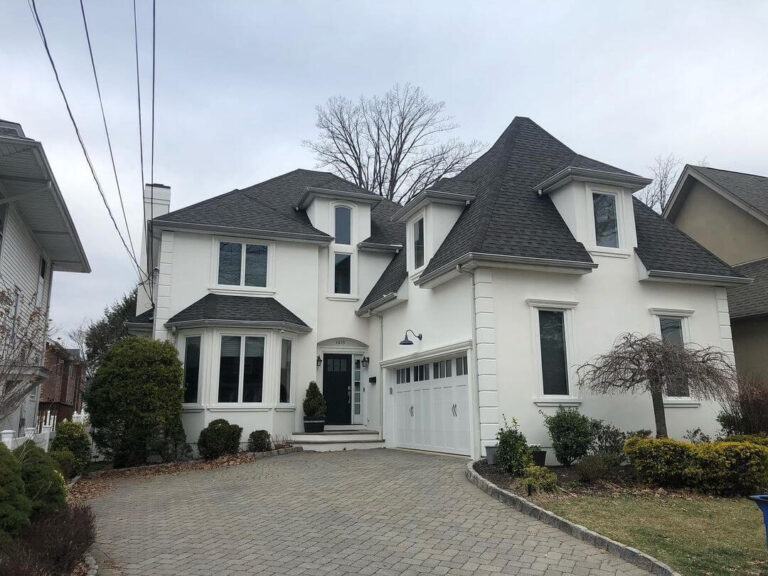
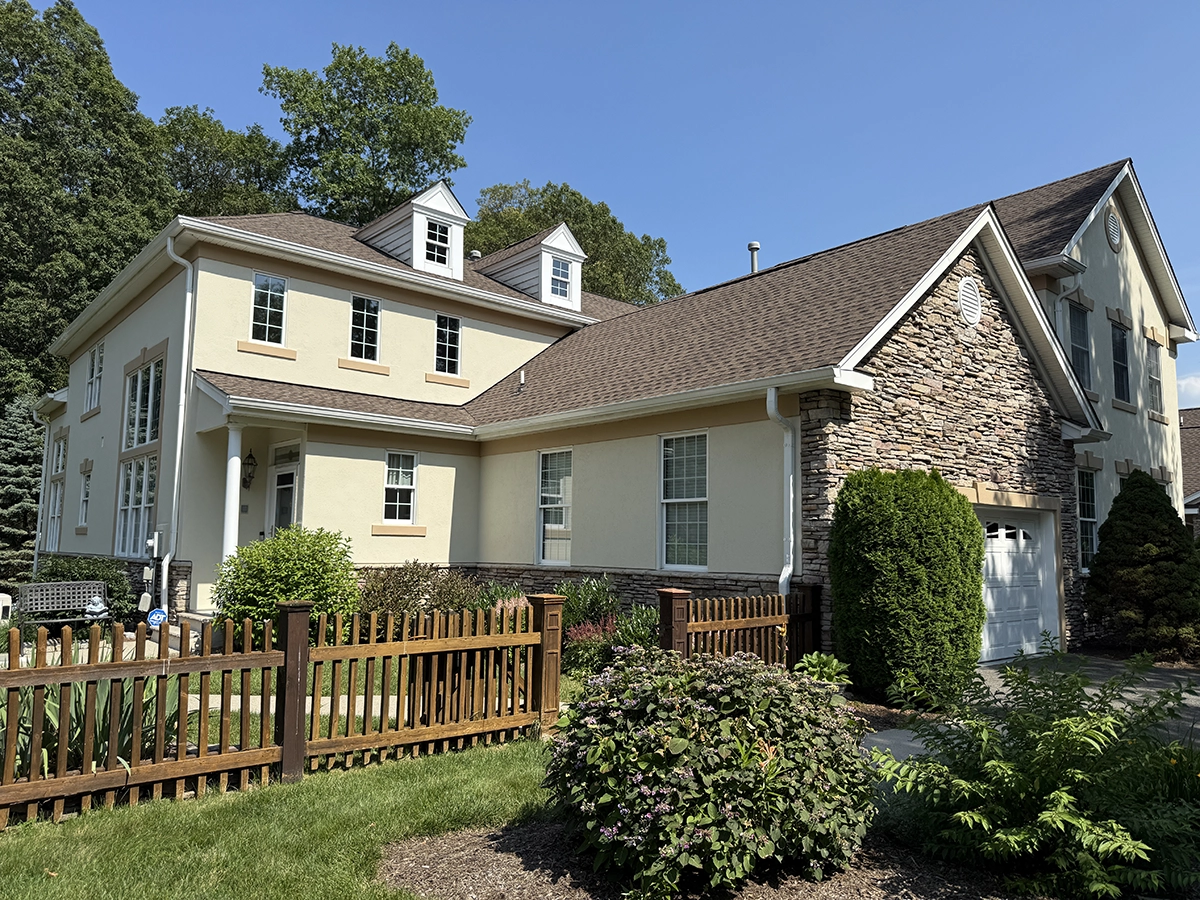
Figure: A classic stucco home exterior in New Jersey, showcasing the smooth, textured look and durable finish of a cement-based stucco siding. Stucco finishes come in many textures and colors, giving high-end homes a clean, elegant facade.
Why Choose ZD Stucco Repair
For New Jersey homeowners leaning toward stucco, ZD Stucco Repair is a reliable choice. ZD Stucco is a local contractor specializing in stucco installation and repair, with over a thousand homes served in NJ and New York. Their team emphasizes “honest, lasting stucco work” and “superior craftsmanship”. In other words, they know what it takes to make a stucco home stand up to NJ’s weather and look great for decades. ZD handles both traditional cement stucco and modern EIFS systems, so they can tailor the right solution (for example, adding insulation or extra moisture control) to each project.
ZD also offers free estimates and flexible scheduling, and prides itself on completing jobs on time and on budget. They note that a well-done stucco job “provides a 50+ year lifespan with minimal maintenance in NJ”, along with extra fire resistance and sound insulation. In short, if you want the long-lasting beauty of stucco with professional backing, ZD Stucco Repair brings both the expertise and the high-quality workmanship needed.
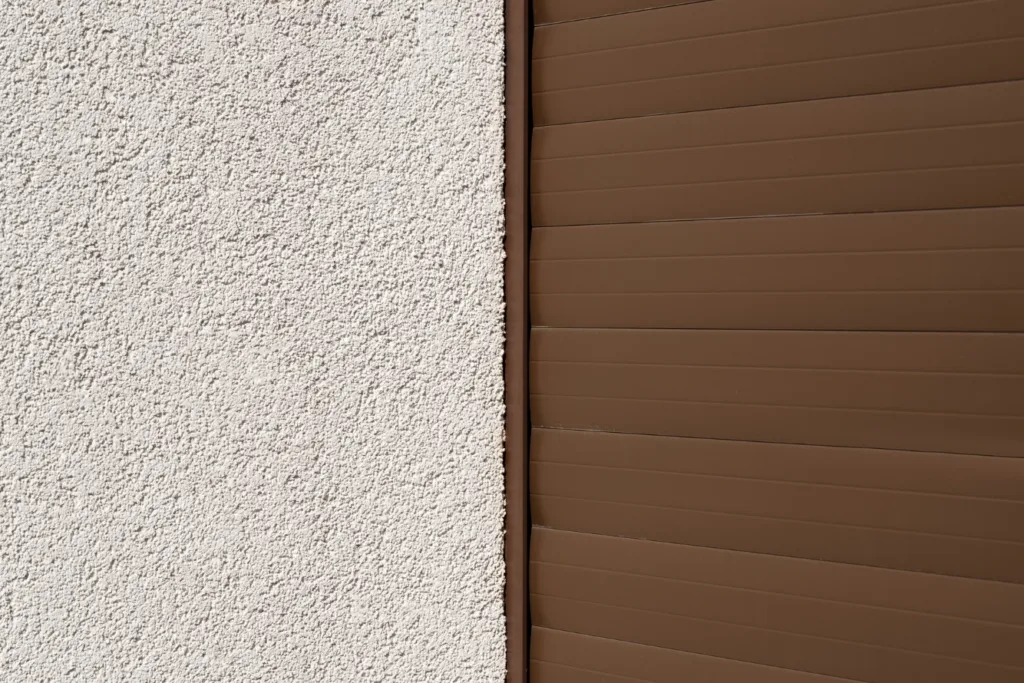
Figure: Another example of a refined stucco exterior (by ZD Stucco Repair). A properly finished stucco wall can last for decades with minimal upkeep.
Conclusion
In summary, stucco and vinyl siding each have roles in New Jersey homes. Vinyl wins on low cost and ease of installation, and it handles moisture with little fuss. However, for a high-end or long-lasting home, stucco has clear advantages: exceptional durability, classic style, fire/sound resistance, and strong weather performance when installed correctly. Stucco does require careful installation (to manage moisture) and a bigger up-front investment. But for homeowners planning to stay in their house for decades, stucco’s “natural insulation”, longevity (50+ years), and elegant finish can make it the smarter choice.
Whether you choose stucco or vinyl, it’s important to use experienced installers. For stucco, ZD Stucco Repair’s track record of quality work and customer satisfaction gives New Jersey homeowners confidence that their exterior will be built to last. Ultimately, a stucco home handled properly offers lasting value and beauty that many Jersey homeowners prize.