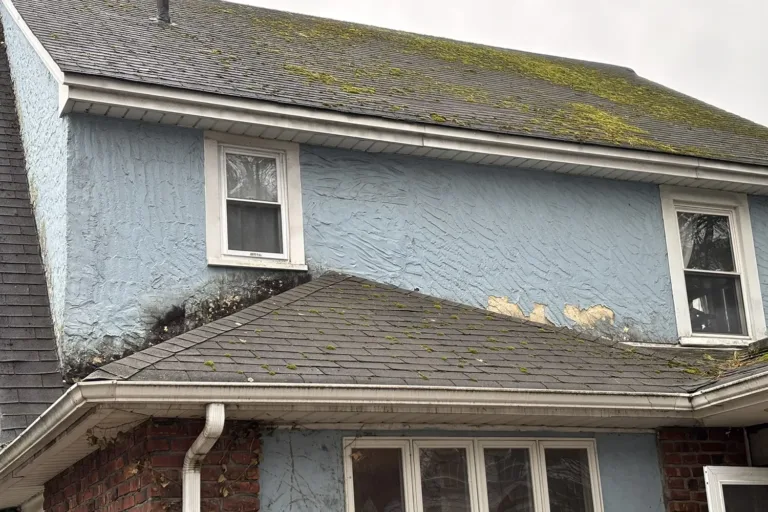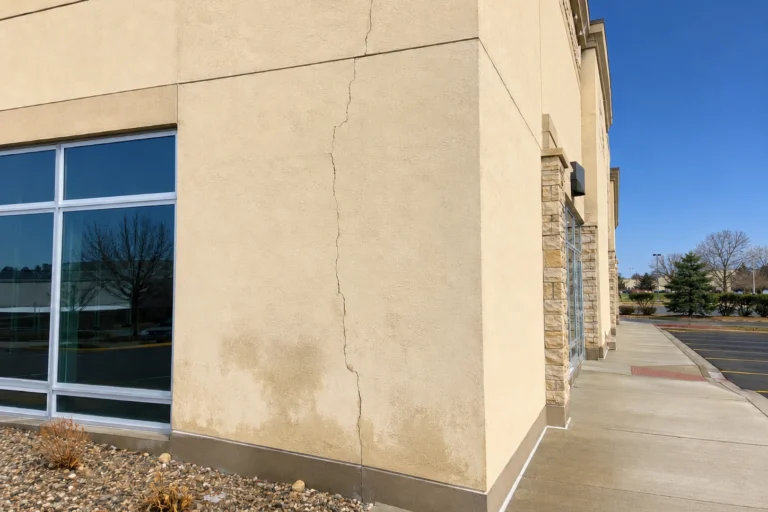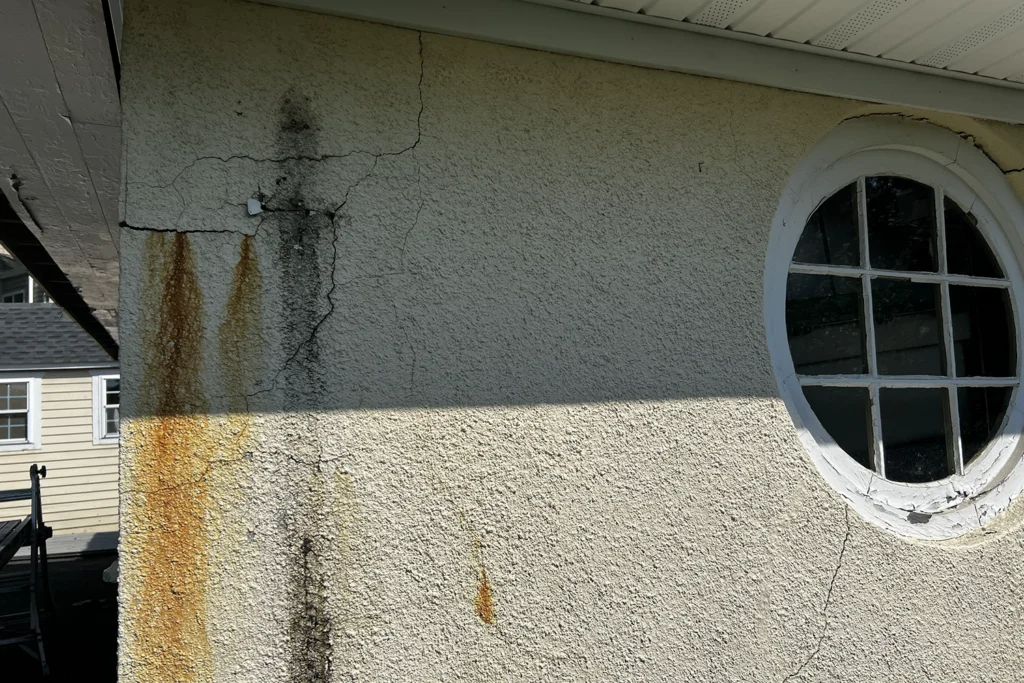
If your stucco is leaking when it rains, you must act immediately to prevent severe structural damage. The first three steps you need to take right now are: place a temporary tarp over the exterior source if safe to do so, move furniture away from interior drywall damage, and call an emergency stucco leak repair specialist. Water leaking through stucco is a critical issue that requires swift intervention, especially during the heavy downpours common in New Jersey.
Stucco water intrusion during rain is not a problem that will resolve itself when the storm passes. While stucco is a durable exterior finish, it relies on a complex system of weatherproofing components to keep moisture out. When this system fails, capillary action and hydrostatic pressure can force water deep into your home’s framing, leading to extensive wood rot and mold growth.
In this comprehensive guide, we explore why stucco leaking inside the house occurs, how to identify the source of the problem, and what permanent solutions are available for New Jersey homeowners facing storm damage.
Why does water leak through stucco only during heavy storms?
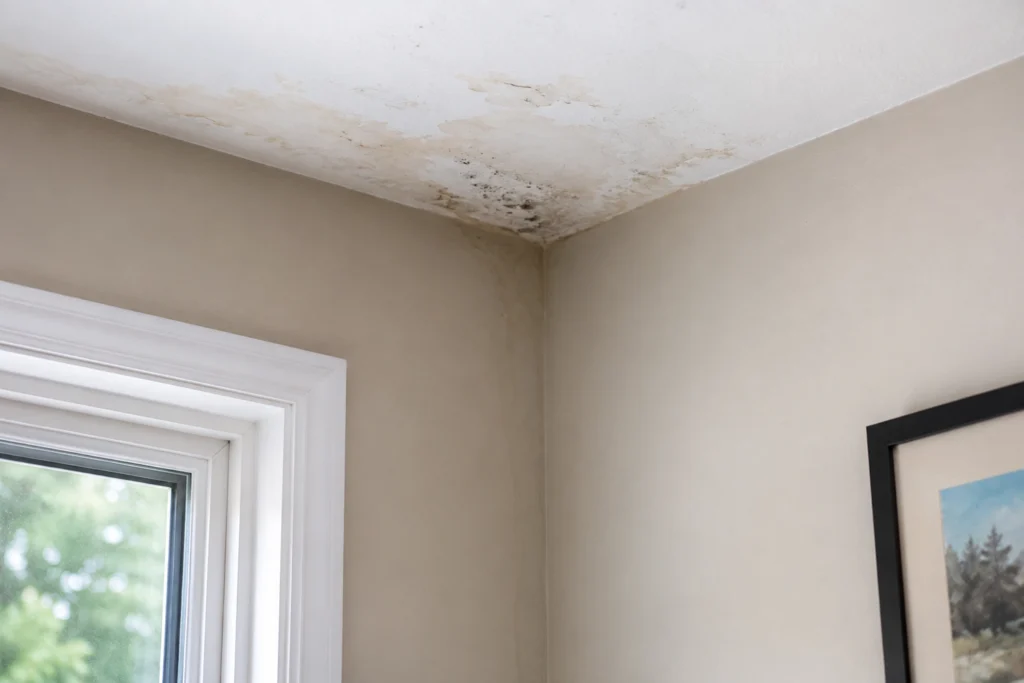
Water typically leaks through stucco only during heavy storms because the sheer volume of water overwhelms the exterior drainage plane. During a light drizzle, minor exterior cracks might absorb a small amount of moisture, which eventually evaporates. However, during a severe New Jersey heavy downpour, the continuous barrage of water exploits every vulnerability in the facade.
The primary reason for stucco water intrusion causes during intense weather is the failure of the underlying moisture barrier. Stucco itself is porous and designed to absorb some water. The true waterproofing occurs behind the stucco layer, where house wrap and flashing direct water down to the weep screed at the base of the wall. When hydrostatic pressure builds up during a storm, water is forced through compromised areas, bypassing the drainage system entirely.
Another significant factor is wind-driven rain. High winds push water horizontally against the building, forcing it into microscopic gaps around window flashing and door frames. This explains why you might only notice stucco water seepage when the rain is accompanied by strong gusts, a common occurrence during Nor’easters in the Garden State.
What are the most common areas for stucco water intrusion?
Identifying the source of the leak is the first step in effective stucco leak repair. Water often travels along framing members before showing up on your interior drywall, making the visible leak location different from the actual exterior entry point.
Stucco leaking around windows and doors
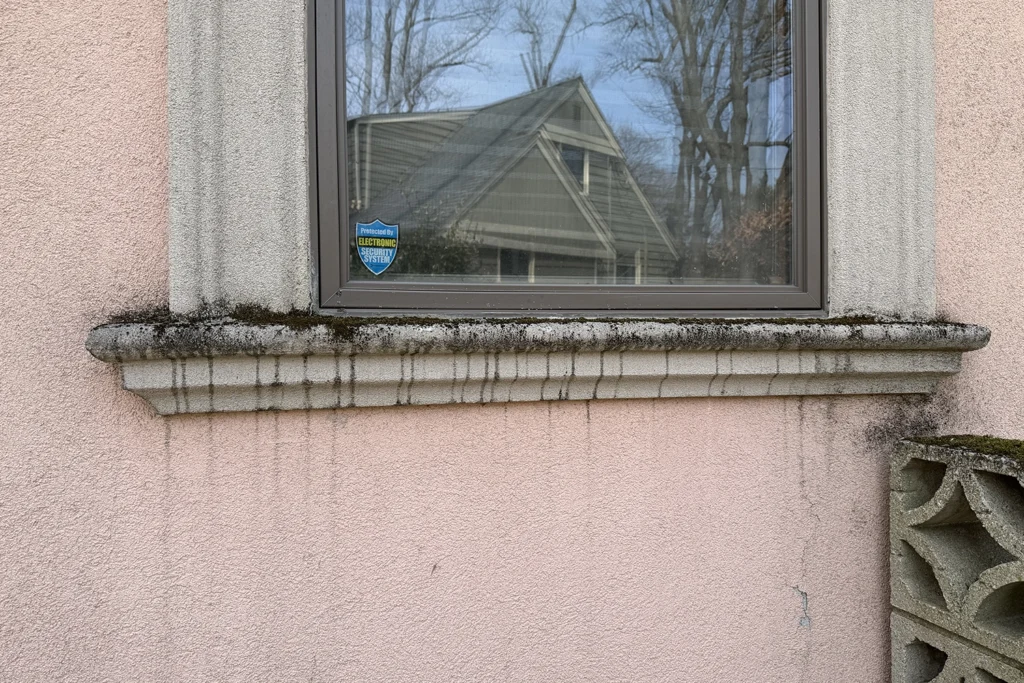
The most frequent sites for stucco moisture intrusion are around windows and doors. These openings require meticulous flashing installation and sealant application. Over time, sealant failure allows water to bypass the protective barriers. If you notice interior drywall damage, soft baseboards, or peeling paint near a window sill, the exterior caulking or flashing has likely deteriorated.
Roof-to-wall intersections
Areas where a lower roof meets a stucco wall are highly susceptible to water intrusion. These intersections require specialized step flashing and kick-out flashing. If these components are missing, improperly installed, or damaged by storm debris, water flowing off the roof will pour directly into the wall cavity, causing significant stucco rain damage.
Penetrations and fixtures
Any penetration through the stucco, such as exterior light fixtures, plumbing pipes, or HVAC vents, presents an opportunity for water entry. These areas must be properly sealed and maintained. Even a small gap around a dryer vent can allow substantial water to leak through stucco during a heavy storm.
How does New Jersey’s weather affect stucco performance?
New Jersey’s climate presents unique challenges for stucco exteriors. The state experiences significant temperature fluctuations, high humidity, and frequent severe weather events, all of which contribute to stucco deterioration over time.
The impact of freeze-thaw cycles
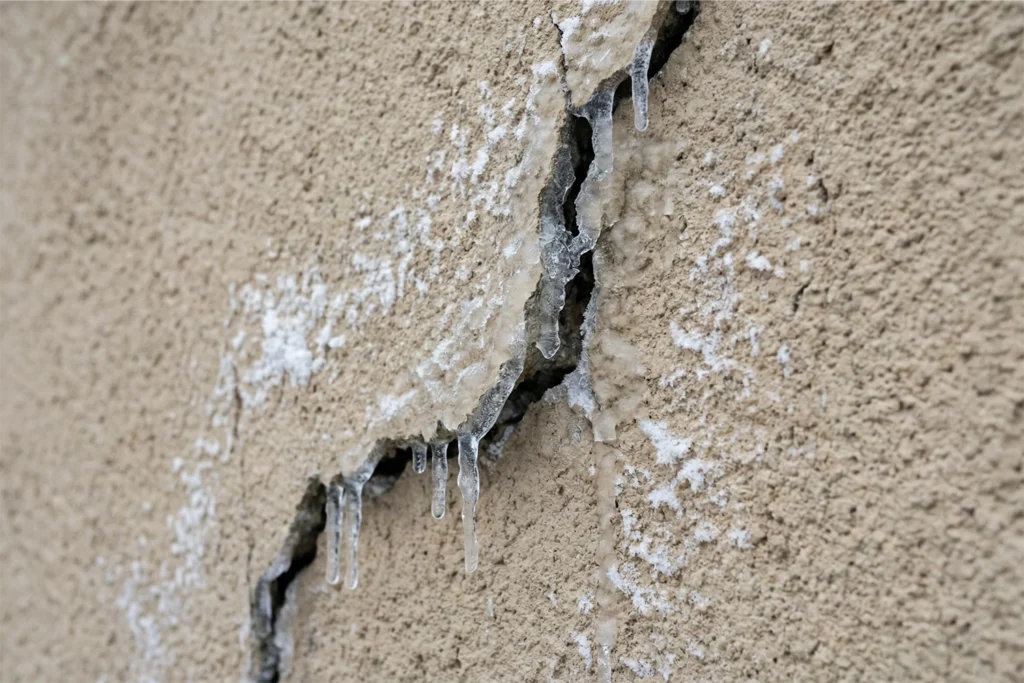
During the winter months, New Jersey frequently experiences freeze-thaw cycles. Moisture that has penetrated small exterior cracks freezes and expands, widening the cracks further. When the ice melts, it leaves larger voids that allow even more water to enter during the next rainstorm. This continuous cycle rapidly accelerates the need for stucco leak prevention and repair.
Humidity and moisture retention
New Jersey’s humid summers can prevent damp stucco from fully drying out between rain events. According to local climate data, the state experiences high relative humidity from June through September. This prolonged moisture retention creates an ideal environment for mold growth and wood rot within the wall cavity, compromising the structural integrity of the home.
Severe storm frequency
The frequency of heavy storms, including tropical remnants and Nor’easters, puts immense stress on exterior weatherproofing systems. Homes in coastal areas or those exposed to high winds are particularly vulnerable to wind-driven rain, making robust emergency stucco leak repair services a necessity for many residents.
What should you do when you discover a stucco leak?
Discovering a leak during a storm is stressful, but taking the right immediate actions can minimize the damage. Your emergency response should focus on protecting your interior while preparing for professional intervention.
Implement temporary interior protection
First, protect your interior belongings. Move furniture, rugs, and electronics away from the affected area. Place buckets or towels to catch dripping water and use a dehumidifier or fans to reduce interior moisture levels. Document the damage with photographs, as these will be valuable for potential insurance claims.
Avoid DIY exterior sealing during the rain
It is crucial to avoid applying caulking or sealants to wet stucco during a rainstorm. These products will not adhere properly to wet surfaces and can actually trap moisture inside the wall cavity, worsening the problem. Temporary exterior protection, such as securing a tarp over the suspected leak area, should only be attempted if it can be done safely without risking injury.
Schedule professional stucco leak detection
Once the immediate threat is managed, you must contact a qualified professional. At ZD Stucco Repair, our experts utilize advanced moisture meters and thermal imaging to perform comprehensive stucco leak detection. This scientific approach ensures we identify the true source of the water intrusion, rather than just treating the visible symptoms.
How is permanent stucco leak repair performed?
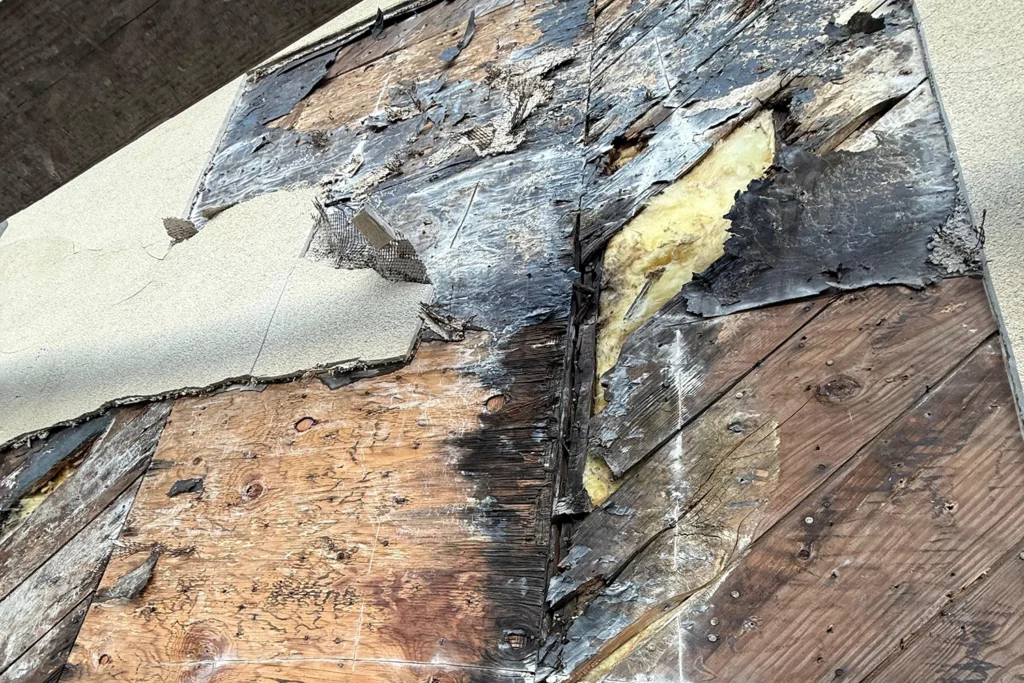
A permanent solution requires addressing the root cause of the water intrusion, not just patching the visible exterior cracks. Effective remediation restores the home’s protective envelope and prevents future damage.
Thorough moisture damage restoration
The repair process begins with a detailed assessment of the underlying damage. This often involves removing the affected stucco to expose the framing and insulation. Any rotted wood must be replaced, and mold remediation must be performed if necessary. For a detailed look at how we handle extensive water damage, see our moisture damage restoration process.
Upgrading the weatherproofing system
Once the structural repairs are complete, the focus shifts to preventing future leaks. This involves installing high-quality house wrap, proper flashing around all penetrations, and a functional weep screed at the base of the wall. These components work together to create a continuous drainage plane that directs water safely away from the building.
Professional stucco application
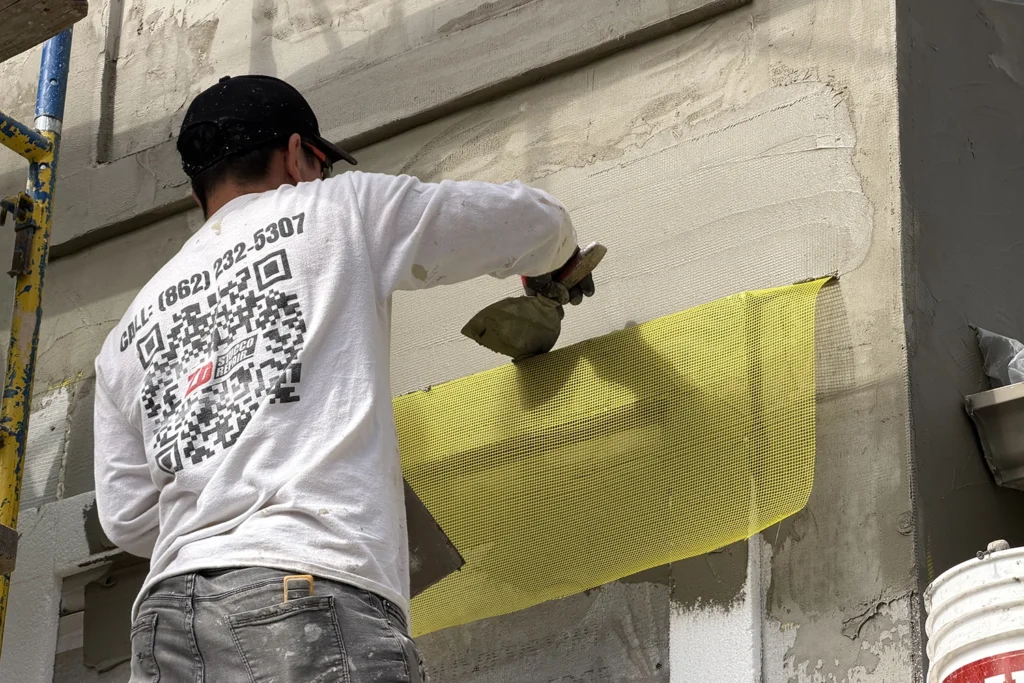
The final step is the application of new stucco. This must be done by experienced professionals who understand the proper mixing ratios, curing times, and application techniques required for New Jersey’s climate. The new stucco is then carefully color-matched and textured to blend seamlessly with the existing exterior.
Frequently Asked Questions
Is water leaking through stucco normal?
No, water leaking into the interior of your home is never normal. While the outer layer of stucco absorbs some moisture, the underlying weatherproofing system should prevent any water from reaching the interior framing or drywall.
How much does emergency stucco leak repair cost?
The cost varies significantly depending on the extent of the damage. Minor flashing repairs may cost a few hundred dollars, while extensive remediation involving structural repairs can cost several thousand. An accurate estimate requires a professional inspection.
Can I just paint over the cracks to stop the leak?
Painting over cracks is a temporary cosmetic fix that does not address the underlying moisture barrier failure. Elastomeric paints can bridge small hairline cracks, but they will not stop a significant leak caused by flashing failure or severe structural movement.
Will my homeowners insurance cover stucco water damage?
Coverage depends on your specific policy and the cause of the damage. Sudden, accidental damage from a storm is often covered, while damage resulting from long-term maintenance neglect or poor original installation may be excluded.
How long does it take for wet stucco to dry out?
In dry, warm weather, the exterior surface may dry in a few days. However, moisture trapped within the wall cavity can take weeks to dry, and often requires professional dehumidification to prevent mold growth.
If you are experiencing water leaking through your stucco during heavy rain, do not wait for the damage to worsen. Contact us for emergency stucco repair today to protect your New Jersey home from severe structural deterioration.