What is the Main Problem with EIFS Synthetic Stucco?
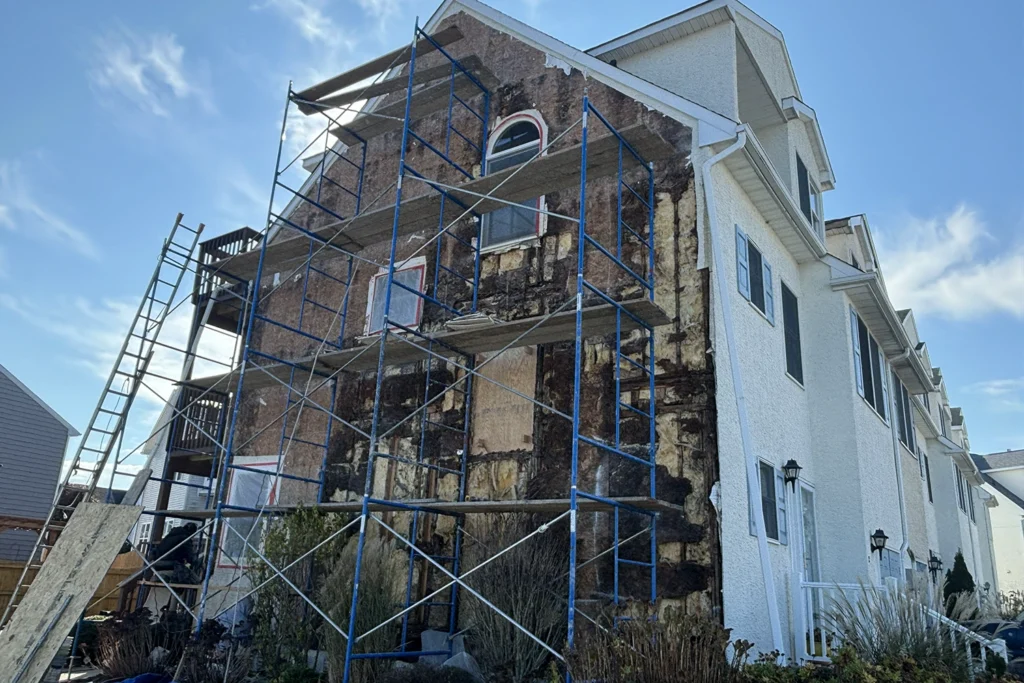
The main problem with EIFS synthetic stucco is moisture retention caused by improper installation of flashing and the lack of a drainage plane, but modern systems equipped with proper drainage effectively solve this issue. Exterior Insulation and Finish System (EIFS) gained immense popularity for its superior thermal efficiency and seamless appearance. However, early barrier-type EIFS installations in the 1990s and 2000s earned a poor reputation because they were designed to be completely watertight from the outside. When water inevitably bypassed the exterior seal through cracks or window joints, it became trapped behind the foam board. This trapped moisture led to severe wood rot, structural decay, and mold growth. Today, professional EIFS remediation focuses on upgrading these older systems by introducing a moisture barrier and proper drainage channels, ensuring that any water that enters can safely exit.
How Do I Know if My EIFS Stucco Has Water Damage?
Identifying EIFS water damage early is critical to preventing extensive structural repairs. Unlike traditional stucco, which is a hard, cement-based material, synthetic stucco issues often remain hidden beneath the flexible acrylic finish until the damage is severe. Homeowners should look for several key indicators that moisture intrusion has occurred.
The most obvious signs include bubbling or blistering of the finish coat, which happens when trapped water pushes outward. You may also notice dark stains or discoloration, particularly around windows, doors, and where the roofline meets the wall. If you press firmly on the EIFS surface and it feels soft or spongy rather than solid, the underlying substrate or wood framing is likely deteriorating. Additionally, indoor signs such as a musty odor near exterior walls or peeling interior paint can point to an exterior stucco leaking problem. Regular EIFS inspection by a qualified professional is the best way to catch these defects before they compromise the integrity of your home.
Common EIFS Synthetic Stucco Problems
While EIFS provides excellent insulation, it is susceptible to specific defects when not maintained or installed correctly. Understanding these common EIFS synthetic stucco problems can help you protect your investment.
1. Lack of Proper Drainage and Kick-Out Flashing
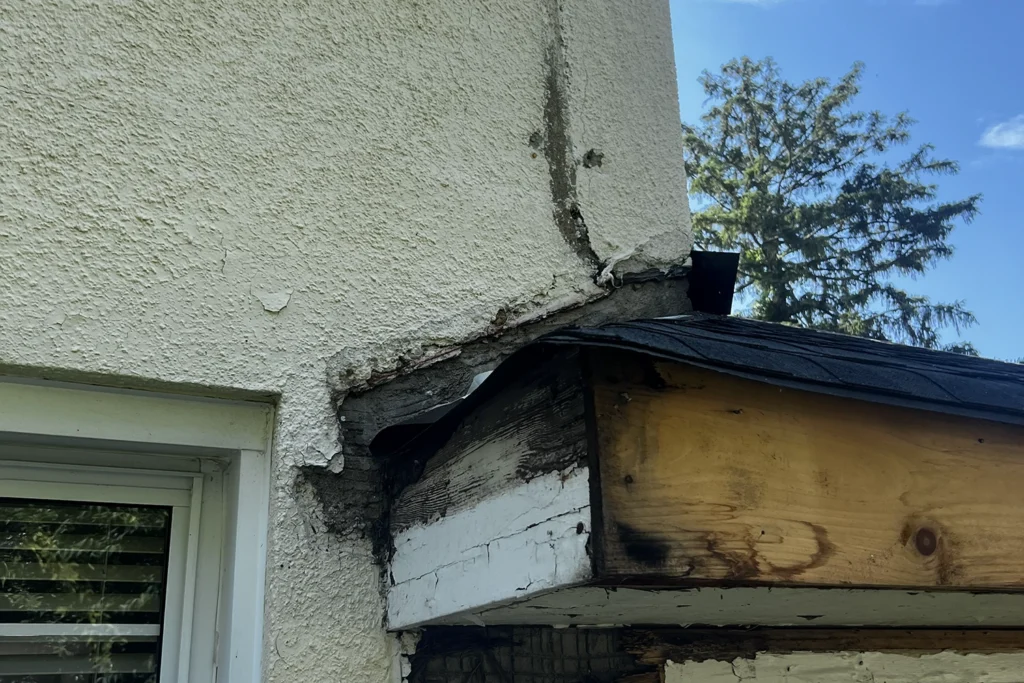
The most catastrophic EIFS defects stem from missing or improperly installed flashing. Kick-out flashing is essential where a roof edge meets a vertical wall, as it directs rainwater away from the cladding. Without it, water pours directly into the wall cavity. Older barrier EIFS systems lacked a drainage plane, meaning any water that breached the surface had no way to escape, leading to widespread EIFS water damage.
2. Impact Damage and Woodpecker Holes
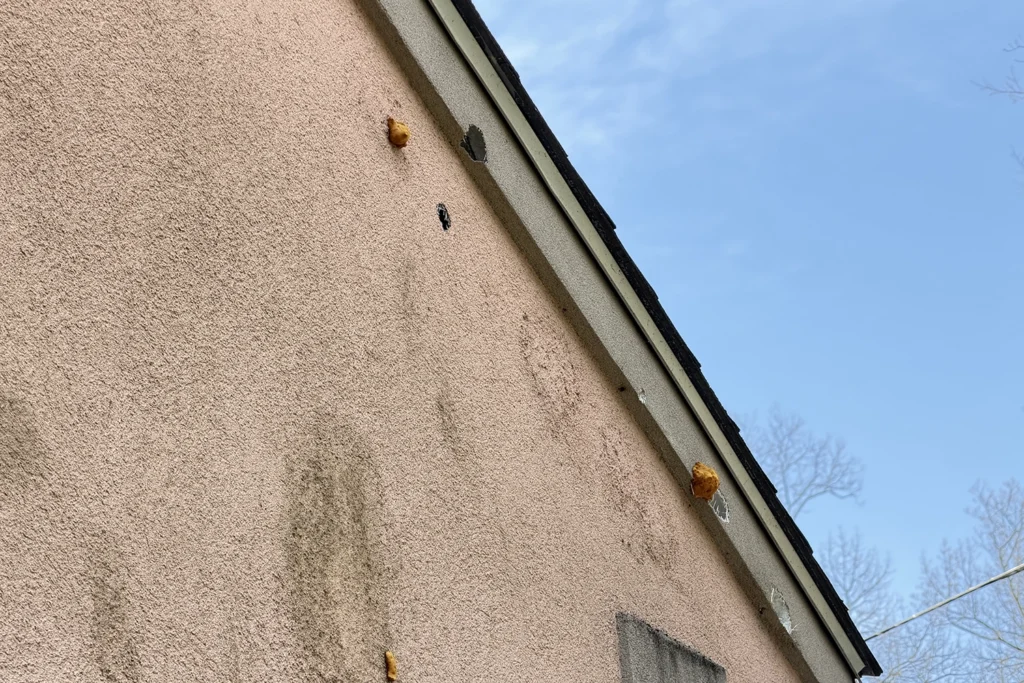
Because the outer layer of EIFS consists of a thin base coat and fiberglass mesh over soft foam board, it has lower impact resistance compared to traditional hard-coat stucco. Hail, flying debris from lawnmowers, or even stray baseballs can puncture the surface. Furthermore, woodpecker damage is a frequent complaint, as birds easily peck through the acrylic finish to nest in the warm foam insulation. Any hole, no matter how small, provides a direct path for water intrusion.
3. Cracking Around Windows and Doors
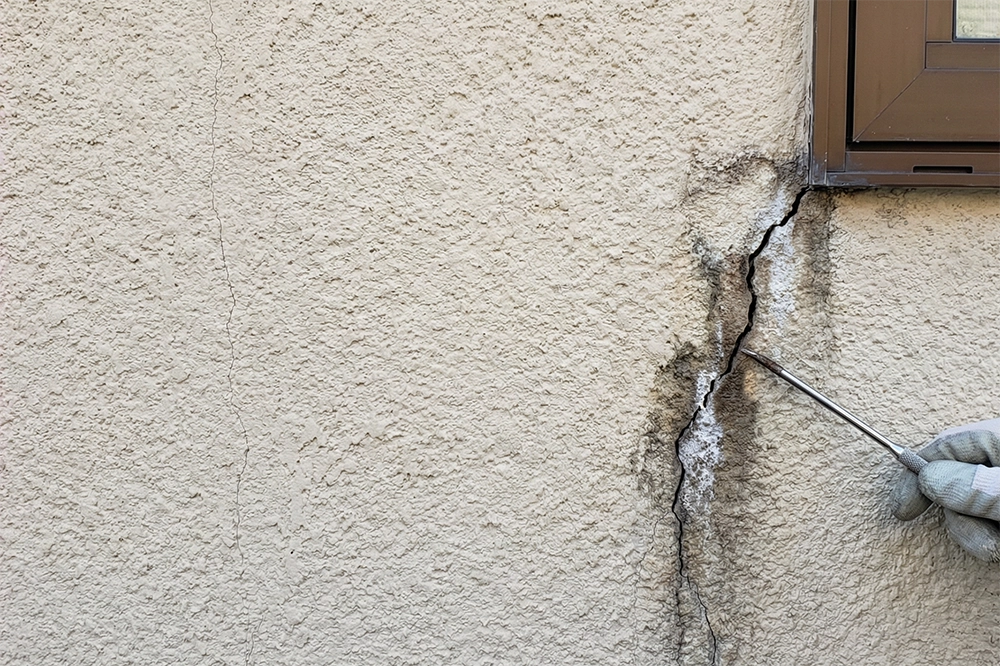
Although EIFS is designed to be somewhat flexible, building settlement and thermal expansion can cause cracks, especially at the corners of windows and doors. If these joints are not properly sealed with compatible, high-quality caulking, water will seep behind the system. Routine EIFS stucco maintenance involves inspecting and replacing sealant joints every few years to maintain a watertight seal.
4. Ground Contact and Pest Intrusion
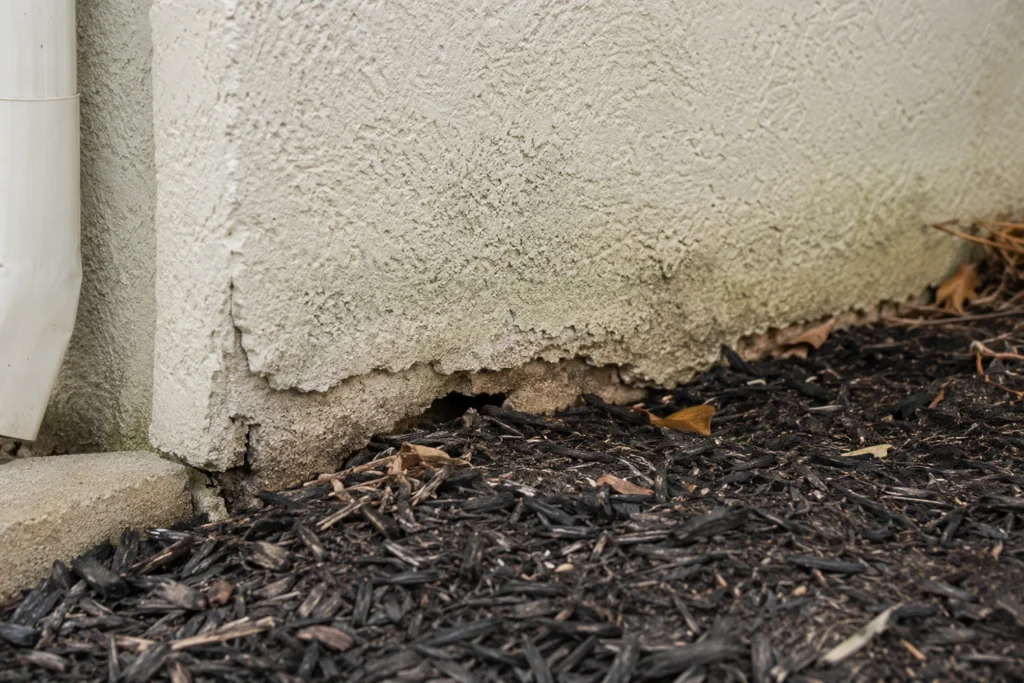
Proper installation dictates that EIFS should terminate at least six inches above the finished grade. When synthetic stucco extends all the way into the soil, it wicks moisture upward like a sponge. This ground contact not only causes the base of the wall to rot but also provides an easy, hidden pathway for termites and carpenter ants to enter the foam board and eventually the wood framing.
EIFS vs Traditional Stucco: Which is Better?
When comparing EIFS vs traditional stucco, the choice depends on your specific needs and climate. Traditional stucco is a heavy, durable mixture of Portland cement, sand, and water applied over metal lath. It is highly impact-resistant and naturally breathable, allowing moisture to dry out. However, it is prone to cracking as the building settles and offers very little insulation value.
In contrast, EIFS provides exceptional thermal efficiency because the foam board wraps the exterior like a blanket, eliminating thermal bridging through the studs. The acrylic finish is also flexible, reducing the likelihood of surface cracks, and it retains its color well. The downside is its vulnerability to impact and the severe consequences of moisture intrusion if a drainage system is not present. For homeowners in regions with heavy rainfall, a modern water-managed EIFS with a built-in drainage plane offers the best of both worlds: superior insulation and reliable moisture protection.
Why EIFS in New Jersey Requires Special Attention
The climate in New Jersey presents unique challenges for exterior cladding systems. With hot, humid summers, freezing winters, and substantial annual rainfall, homes experience significant thermal expansion and contraction. This freeze-thaw cycle can exacerbate minor cracks in the acrylic finish, allowing winter moisture to freeze and expand, widening the gaps.
Furthermore, the high humidity levels mean that once water gets trapped behind an older, barrier-style EIFS system, it takes much longer to dry out. This prolonged dampness accelerates wood rot and mold growth. For New Jersey homeowners, proactive EIFS stucco maintenance is not just a recommendation; it is a necessity. Upgrading to a water-managed system or ensuring that your current system is impeccably sealed is vital to protecting your property from the harsh local weather conditions.
Professional EIFS Stucco Repair and Remediation
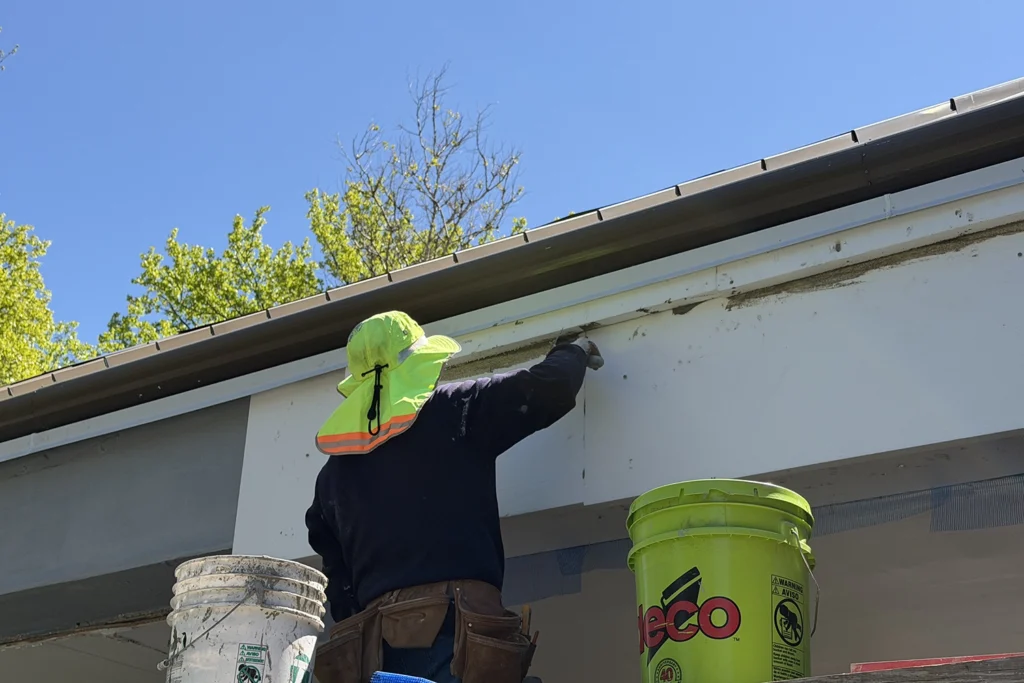
Addressing EIFS synthetic stucco problems requires specialized knowledge and materials. DIY repairs using standard silicone caulk or cement patch can actually worsen the problem by trapping more moisture or causing incompatible materials to fail.
The Remediation Process
If your home has suffered significant EIFS water damage, a full EIFS remediation may be necessary. This process involves:
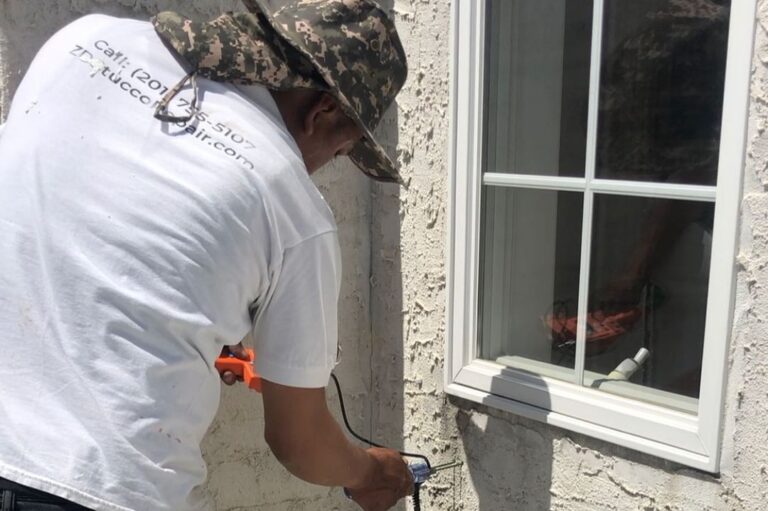
- Thorough Inspection: Using moisture meters and infrared cameras to map the extent of the hidden water damage.
- Targeted Removal: Cutting away the damaged EIFS sections, including the finish, fiberglass mesh, and foam board.
- Substrate Repair: Replacing any rotted wood framing or deteriorated exterior sheathing.
- Moisture Barrier Installation: Applying a modern water-resistive barrier and establishing a proper drainage plane.
- System Restoration: Rebuilding the EIFS layers and applying a custom-tinted acrylic finish to seamlessly match the existing exterior.
For minor issues, such as small cracks or woodpecker holes, targeted EIFS stucco repair can restore the system’s integrity without the need for a full tear-off. It is crucial to work with a contractor who understands the specific requirements of synthetic stucco systems.
Protect Your Home with ZD Stucco Repair
Don’t let the fear of EIFS synthetic stucco problems keep you from enjoying the energy efficiency and beauty of your home. Whether you need a comprehensive EIFS inspection, targeted EIFS stucco repair, or full water infiltration remediation, our team has the expertise to protect your property.
We understand the unique demands of the New Jersey climate and use only industry-approved methods to ensure your synthetic stucco performs flawlessly. If you are concerned about potential moisture intrusion or need to address visible damage, contact us today. Get a Free Quote and let our experienced professionals restore your peace of mind and the structural integrity of your home.