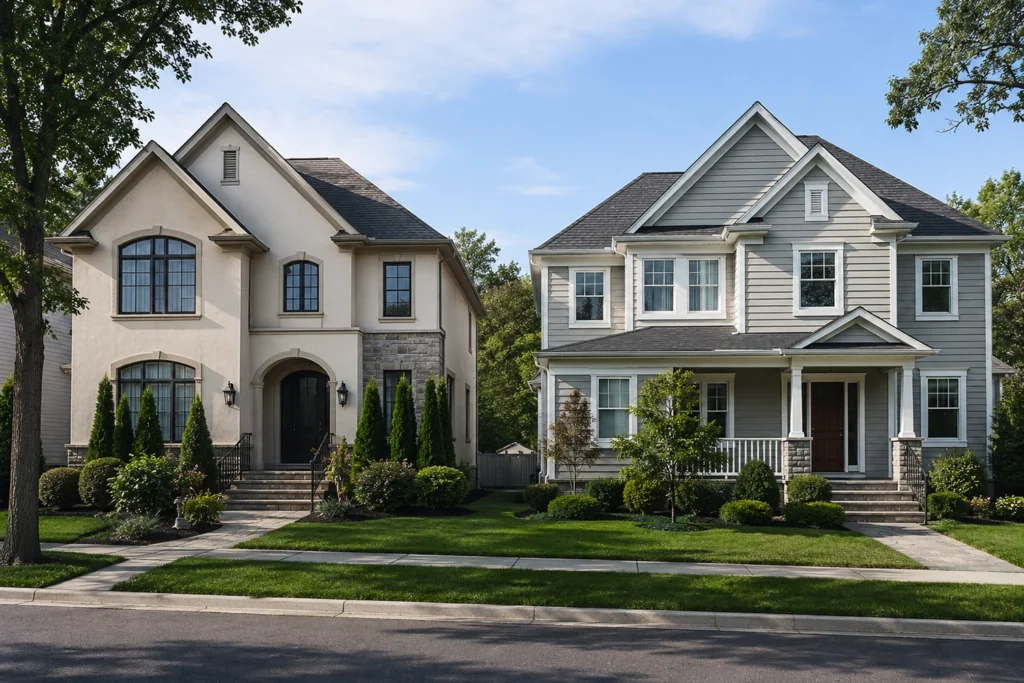
Choosing the right exterior cladding for your New Jersey home is one of the most consequential decisions you will make as a homeowner. Two materials consistently rise to the top of the premium category: stucco and fiber cement siding. Both offer excellent curb appeal, fire resistance, and a strong return on investment (ROI), but they behave very differently when exposed to New Jersey’s demanding climate.
Here is the direct answer: Stucco lasts between 50 and 80 years with proper maintenance, while fiber cement siding typically lasts 30 to 50 years. Stucco also delivers superior energy efficiency through its high thermal mass, which slows heat transfer and helps regulate indoor temperatures throughout the year. For New Jersey homeowners who plan to stay in their homes for decades, stucco is often the more durable and cost-effective long-term investment.
In this guide, we compare stucco vs fiber cement siding across every dimension that matters: durability, installation costs, maintenance, energy efficiency, and how each material holds up in NJ’s specific climate. By the end, you will have a clear picture of which exterior cladding is the right fit for your home and budget.
What Are Stucco and Fiber Cement Siding?
Before comparing these two materials head-to-head, it is worth understanding exactly what they are and how they are installed.
Traditional Stucco is a cement-based plaster composed of Portland cement, sand, lime, and water. It is applied wet over a wire mesh in multiple coats, curing into a continuous, rock-hard shell around your home. Because it is hand-applied by skilled craftsmen, stucco can be sculpted into a wide variety of textures and finishes, making it a natural fit for Mediterranean, Spanish Colonial, and contemporary architectural styles. Stucco has been used for centuries and remains one of the most time-tested exterior cladding systems in the world.
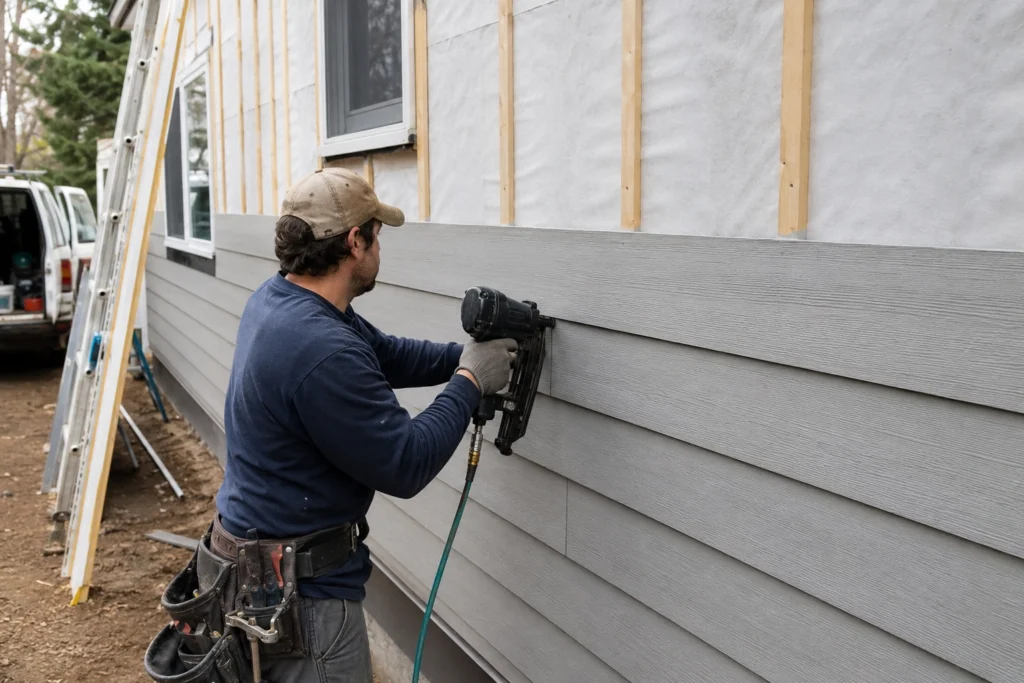
Fiber Cement Siding is an engineered composite material made from Portland cement, sand, water, and cellulose fibers. The addition of cellulose fibers gives the material a slight flexibility that prevents it from cracking under pressure. Unlike stucco, fiber cement is manufactured in a factory and arrives as pre-formed boards, panels, or shingles. The most recognized brand is HardiePlank, which is why the debate is often framed as stucco vs Hardie board or stucco vs cement board. Fiber cement can mimic the appearance of wood lap siding, shingles, and even stucco itself.
Which Siding Holds Up Best in New Jersey’s Climate?
New Jersey’s climate is demanding. Summers are hot and humid, winters bring freezing temperatures and ice storms, and coastal areas face powerful nor’easters. Understanding how each material responds to these conditions is the most important factor in the stucco vs fiber cement comparison for NJ homeowners.
Moisture and Humidity Resistance
When comparing fiber cement vs stucco humidity resistance, both materials require proper installation to perform well in wet conditions. Stucco is naturally porous, which means it depends on a correctly installed weather-resistant barrier, proper flashing, and a drainage plane to prevent water intrusion. Modern stucco systems — particularly EIFS (Exterior Insulation and Finish Systems) — include built-in moisture barriers that perform exceptionally well in New Jersey’s wet climate. Fiber cement siding is inherently water-resistant, but the seams between boards must be meticulously caulked and maintained. If caulking fails, water can penetrate the siding and damage the underlying structure.
Freeze-Thaw Cycles
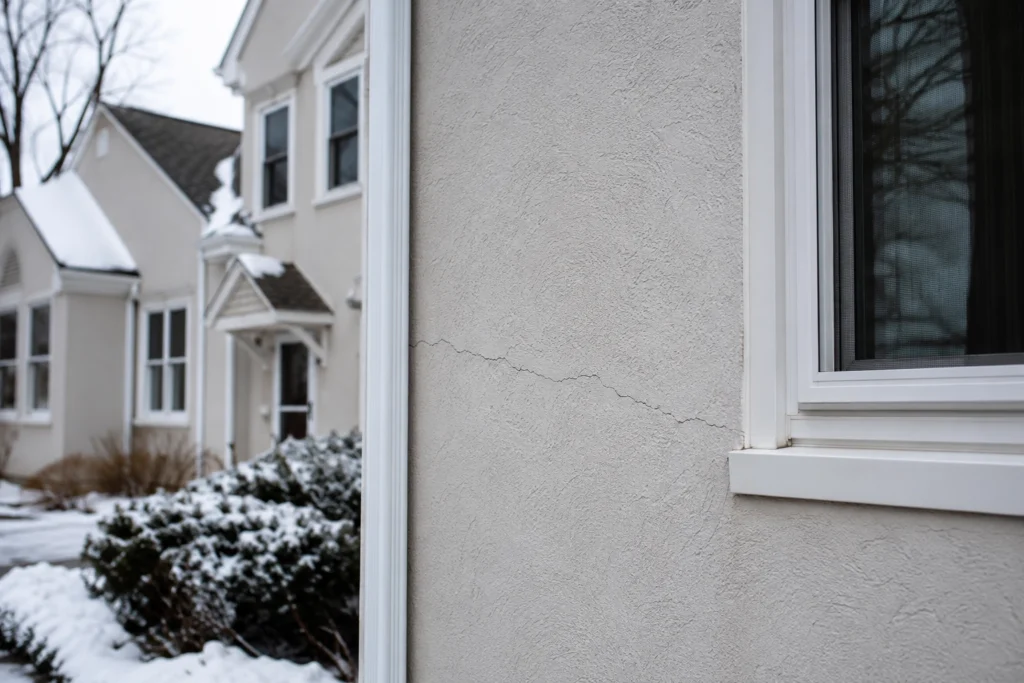
New Jersey’s winters subject exterior cladding to repeated freeze-thaw cycles. Stucco can develop hairline cracks if moisture becomes trapped behind the surface and then freezes. However, when installed with proper drainage and sealed promptly, stucco handles NJ winters extremely well. Fiber cement is non-porous and does not absorb water, making it slightly more forgiving in freeze-thaw conditions.
Fire and Pest Resistance
Both stucco and fiber cement siding are composed primarily of cement, making them non-combustible. Neither material will ignite when exposed to direct flame, which is a significant safety advantage over wood or vinyl. Both materials are also completely impervious to termites, carpenter ants, and other pests that can devastate wood-based exteriors.
Stucco vs Fiber Cement Siding Durability and Lifespan
Longevity is one of the most compelling arguments in favor of stucco. When comparing fiber cement siding stucco lifespan, the difference is significant.
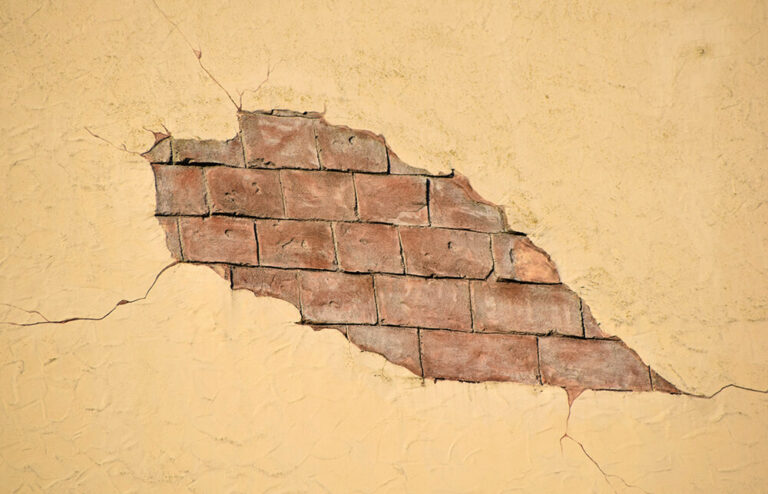
Properly installed and maintained stucco can last 50 to 80 years or more. Its continuous, seamless application creates a monolithic shell that does not rot, warp, or delaminate. The primary maintenance challenge is managing hairline cracks caused by structural settling, but these are easily repaired by a professional. Fiber cement siding, while highly durable, typically reaches the end of its useful life at 30 to 50 years. The boards can swell at the edges if moisture penetrates the seams, and the factory-applied finish requires periodic repainting to maintain color retention and protect the material.
Stucco vs Fiber Cement Cost: What to Expect in New Jersey
Both materials sit in the premium pricing tier, but there are meaningful differences in upfront costs and long-term expenses.
Installing fiber cement siding in New Jersey typically costs between $10 and $15 per square foot, including labor. The installation process is faster than stucco but requires specialized tools and safety precautions due to the silica dust generated when cutting the boards.
Traditional stucco installation generally ranges from $10 to $18 per square foot. The higher labor costs reflect the multi-step, artisanal application process. However, when you factor in stucco’s longer lifespan, the total cost of ownership over 50 years often makes stucco the more economical choice. A well-maintained stucco exterior also significantly boosts your property’s curb appeal and resale value. To understand the full financial picture, read our detailed analysis of how stucco impacts home value.
Stucco vs Fiber Cement Maintenance: What Does Each Require?
Neither material is entirely maintenance-free, but the type and frequency of upkeep differ considerably.
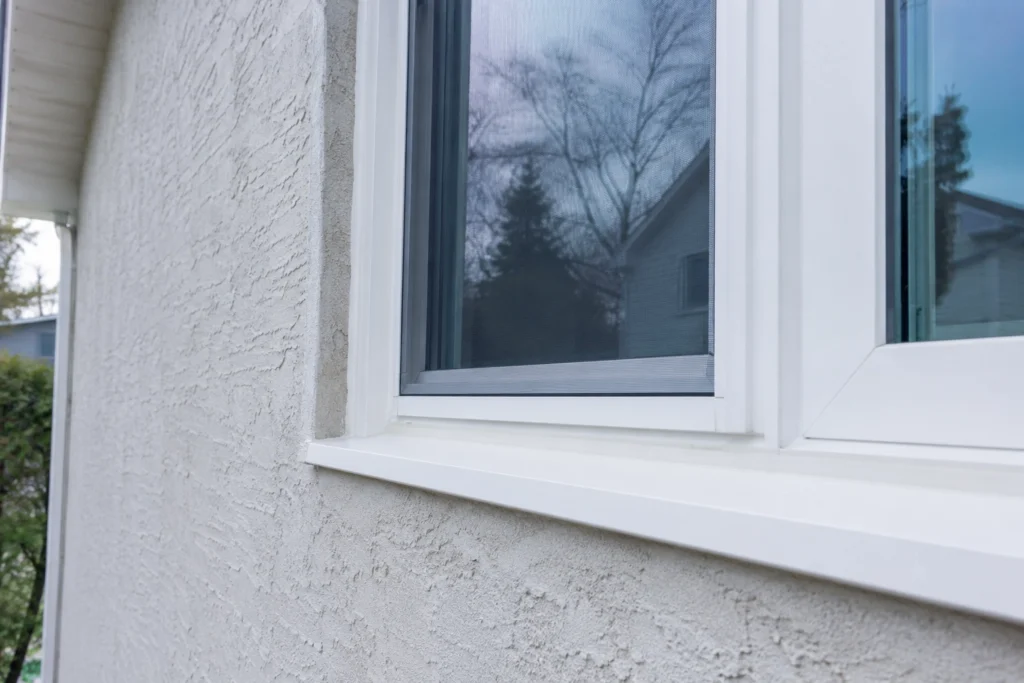
Stucco maintenance centers on annual inspections to identify and seal hairline cracks before moisture can penetrate the surface. A gentle wash with a garden hose removes dirt and prevents mold growth. Because stucco is often integrally colored, the color goes all the way through the material, reducing the need for repainting. Many homeowners have their stucco re-coated or sealed every 10 to 15 years to maintain its appearance. When damage does occur, our professional stucco repair services can patch cracks seamlessly, matching the original texture and color.
Fiber cement maintenance primarily involves repainting every 10 to 15 years as the factory finish fades. The caulking at all seams, joints, and penetrations must be inspected annually and replaced as needed. If a board becomes severely damaged, the entire board must be removed and replaced, which can be difficult to match if the surrounding paint has aged.
In terms of the stucco vs fiber cement repair cost, small stucco repairs are generally less expensive and easier to blend invisibly. Fiber cement board replacement, by contrast, often requires repainting a larger section of the home to achieve a consistent appearance.
Fiber Cement vs Stucco Energy Efficiency
Energy efficiency is a growing priority for New Jersey homeowners, and this is an area where stucco holds a clear advantage.
Stucco naturally possesses a high thermal mass. It absorbs heat during the day and releases it slowly at night, moderating indoor temperature swings and reducing the load on your heating and cooling systems. When you upgrade to synthetic stucco through our EIFS systems, rigid foam insulation is integrated directly into the wall assembly, dramatically increasing the R-value and providing outstanding thermal performance.
Fiber cement siding, on its own, offers minimal insulation. To achieve meaningful energy efficiency with fiber cement, your contractor must install rigid foam insulation beneath the siding as a separate step, adding to both the material costs and labor costs.
Side-by-Side Comparison: Stucco vs Fiber Cement Siding
| Feature | Stucco | Fiber Cement (HardiePlank) |
|---|---|---|
| Lifespan | 50–80+ years | 30–50 years |
| Installation Cost (NJ) | $10–$18 per sq. ft. | $10–$15 per sq. ft. |
| Energy Efficiency | Excellent: high thermal mass; EIFS adds R-value | Low on its own; requires added insulation |
| Maintenance | Seal cracks; re-coat every 10–15 years | Repaint every 10–15 years; recaulk seams annually |
| Fire Resistance | Excellent (non-combustible) | Excellent (non-combustible) |
| Pest Resistance | Excellent | Excellent |
| Repair Ease | Easy: seamless patching | Moderate: full board replacement often needed |
| Manufacturer Warranty | Varies by contractor | 30-year product / 15-year finish (James Hardie) |
| Architectural Style | Mediterranean, Spanish Colonial, Contemporary | Versatile: mimics wood, stucco, and shingles |
| ROI / Home Value | High: premium curb appeal | High: strong resale value |
Which is Better: Stucco or Fiber Cement Siding?
The answer depends on your specific priorities and the architectural style of your home.
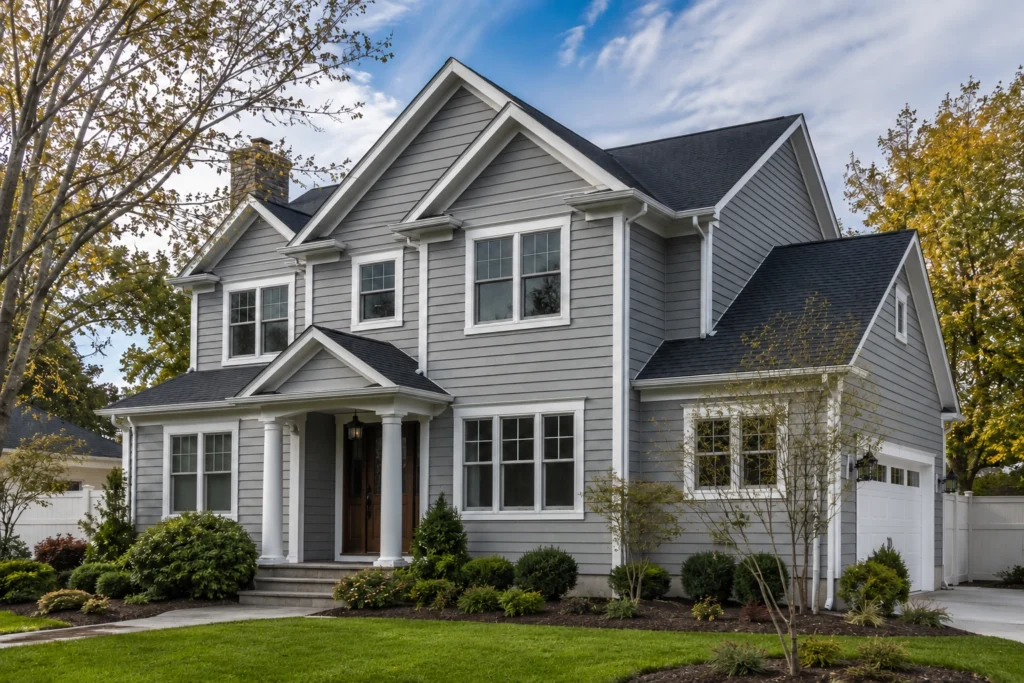
Choose fiber cement siding if you prefer the look of traditional wood lap siding, want a wide variety of factory-painted colors, or are working with a tighter upfront budget. Fiber cement is also an excellent choice if your home is in an area with frequent hail or impact hazards, as the material’s slight flexibility makes it resilient against physical damage.
Choose stucco if you want a seamless, timeless exterior that can last a lifetime. Stucco delivers unmatched longevity, superior natural energy efficiency, and an elegant aesthetic that commands premium home values in New Jersey’s luxury markets. It is the material of choice for high-end homes in communities like Saddle River, Mendham, Ridgewood, and Upper Saddle River.
If you are still weighing your options and want to see how stucco compares to more budget-friendly alternatives, our detailed guide will help you compare stucco with vinyl siding.
Frequently Asked Questions
What is the stucco vs fiber cement warranty comparison?
Fiber cement manufacturers like James Hardie offer a 30-year limited warranty on the boards and a 15-year warranty on the factory-applied finish. Stucco warranties come from the installing contractor and vary by company. At ZD Stucco Repair, we stand behind our workmanship and provide clear warranty terms on every project.
Is fiber cement cheaper than stucco in New Jersey?
Fiber cement typically has a slightly lower upfront installation cost. However, because stucco lasts significantly longer, the total cost of ownership over 50 to 80 years often makes stucco the more economical choice for homeowners who plan to stay in their homes long-term.
Can stucco be repaired more easily than fiber cement?
Yes. Small cracks and holes in stucco can be patched and blended seamlessly by a professional. Damaged fiber cement boards generally need to be fully replaced, and matching the aged paint color of surrounding boards can be challenging.
How does stucco hold up in New Jersey’s humidity?
When installed correctly with proper moisture barriers, flashing, and drainage, stucco performs excellently in New Jersey’s humid climate. Modern EIFS stucco systems are specifically engineered to manage moisture in wet environments.
Work With New Jersey’s Trusted Stucco Specialists
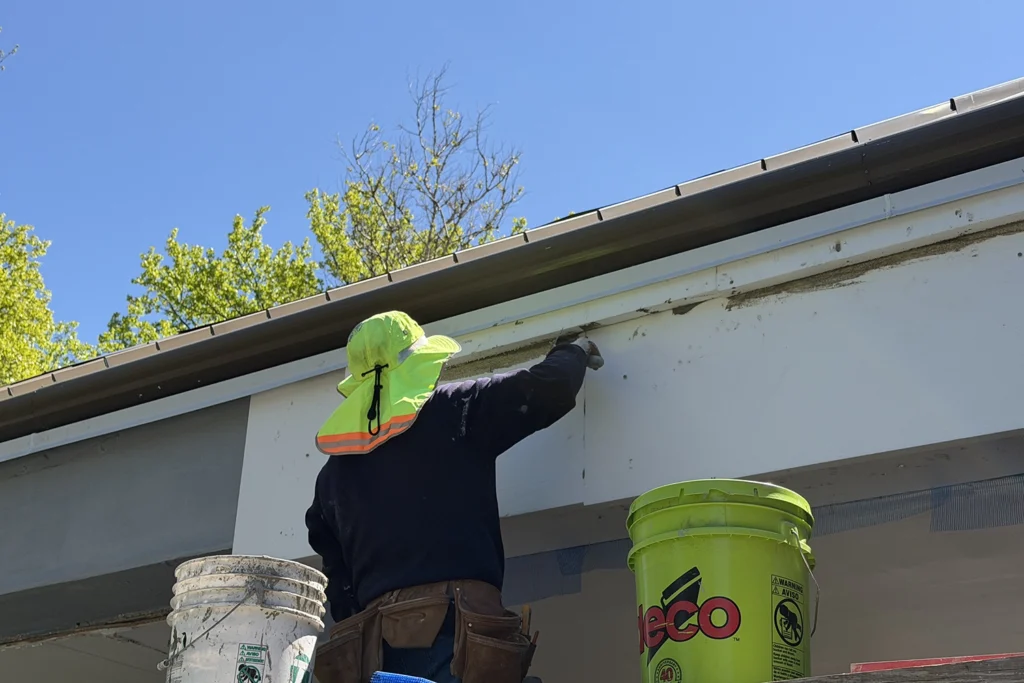
At ZD Stucco Repair, we have completed over 1,300 stucco projects for homeowners across New Jersey and Greater New York since 2017. We specialize in traditional cement stucco, EIFS installation, stucco restoration, and comprehensive repair services. Our team delivers honest, lasting work — no gimmicks, no shortcuts.
If you are ready to explore stucco for your home, or if you have an existing stucco exterior that needs attention, we are here to help. Contact us at 862-232-5307 or request a free quote today.