5 Red Flags to Look For During a Stucco Inspection Before Buying
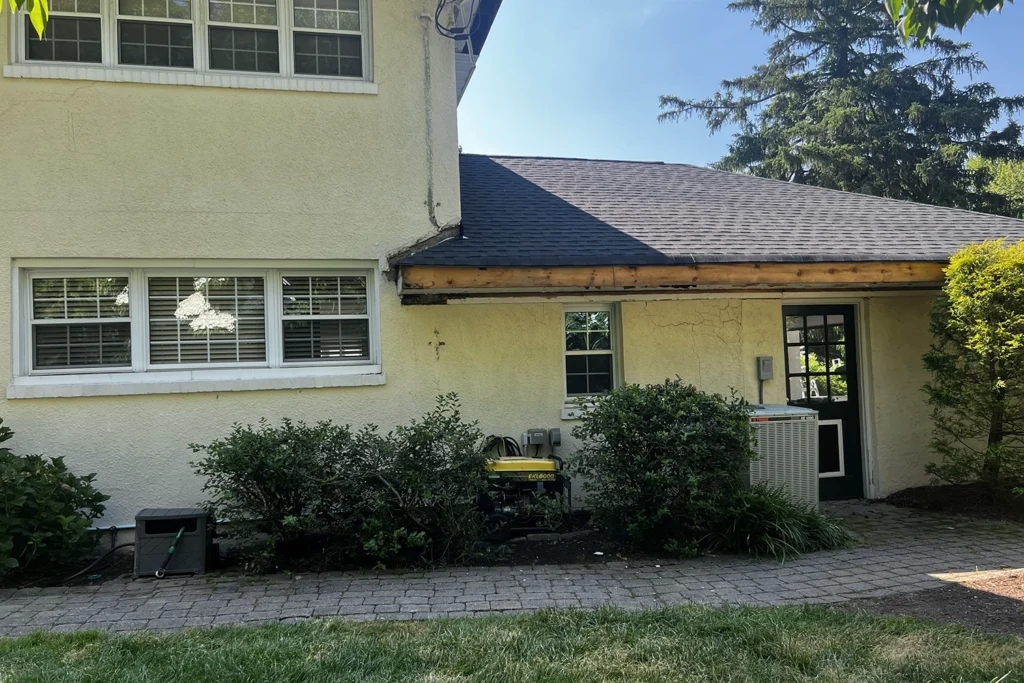
When buying a stucco home in New Jersey, you must look for five critical red flags: dark water stains under windows, missing kickout flashing at rooflines, soft spots that yield to pressure, diagonal structural cracks wider than a credit card, and stucco that runs directly into the soil without a weep screed. Finding any of these signs during a pre-purchase stucco inspection in NJ means you could be facing severe hidden moisture damage beneath the surface.
The real estate transaction process moves quickly, and standard home inspections often miss what is happening behind the exterior cladding. As a home buyer, understanding these warning signs protects your investment and structural integrity before the closing process is finalized.
Why is a standard home inspection not enough for stucco?
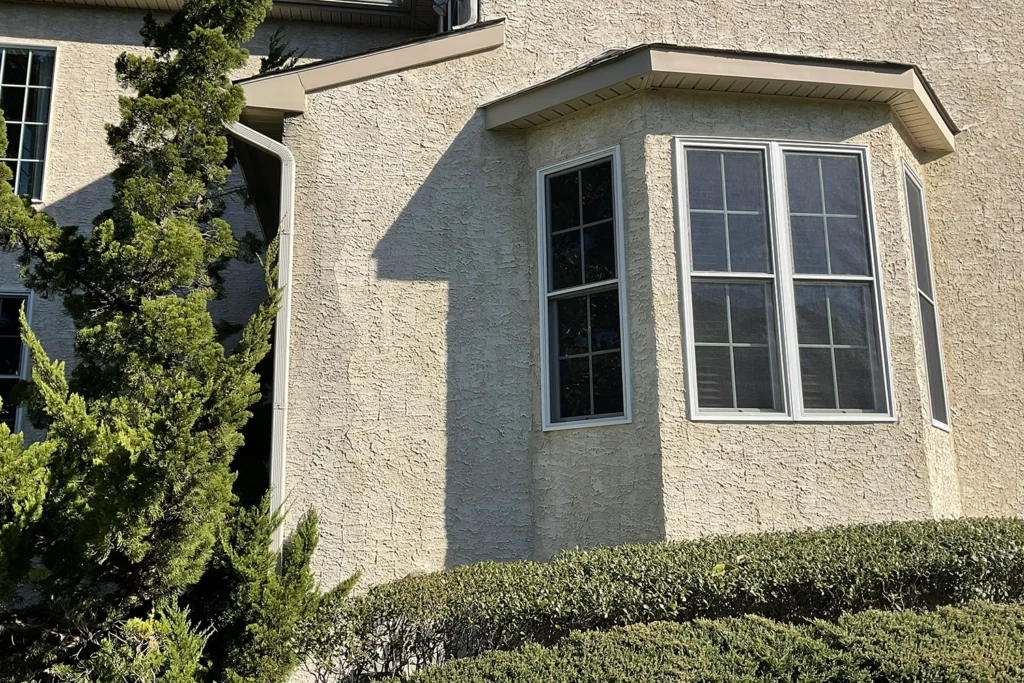
A standard home inspection is a non-invasive, visual assessment of a property’s overall condition, which means the inspector cannot look behind the walls to find hidden defects. Stucco defects inspection requires specialized tools and knowledge because the exterior surface can look perfectly fine while the wood framing underneath is rotting from water intrusion.
Standard inspectors will note obvious home inspection stucco damage signs, such as large cracks or peeling paint, but they do not perform the invasive stucco inspection necessary to measure moisture levels inside the wall cavity. Without using a moisture meter or conducting core testing, it is impossible to know if the building envelope has been compromised. In New Jersey, where weatherproofing must withstand heavy rain and snow, relying solely on a general property appraisal leaves you vulnerable to unexpected and costly mold remediation or structural repairs after escrow closes.
If you notice any signs of water damage, you should immediately consider our professional water infiltration services to prevent further deterioration.
What’s included in a comprehensive stucco inspection report?
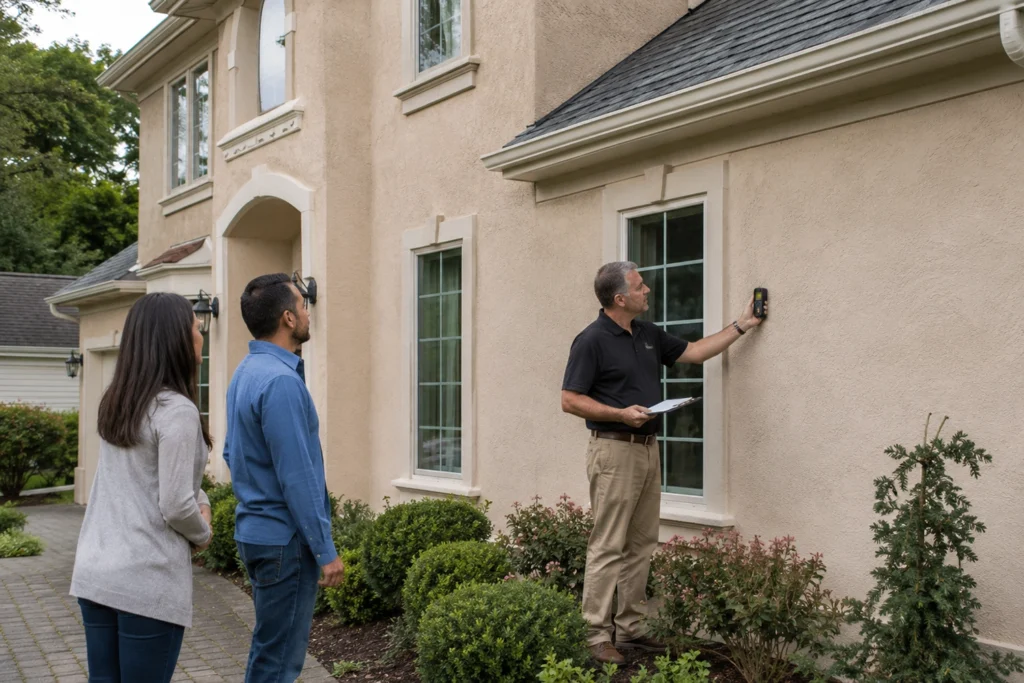
When you hire a specialized contractor for a stucco inspection before buying, the resulting stucco inspection report should provide a detailed, wall-by-wall analysis of the property. Knowing what’s included in a stucco inspection helps you negotiate effectively during the contingency period.
A thorough pre-closing stucco inspection typically includes:
- Visual Assessment: A complete exterior walkthrough to identify cosmetic cracks versus structural issues, missing sealant joints, and improper flashing installation.
- Moisture Testing: The use of a moisture meter and probe testing (drilling small, sealable holes) to check the substrate and sheathing for water intrusion.
- Thermal Imaging: Infrared cameras may be used to detect temperature variations that indicate trapped moisture behind the traditional hardcoat or synthetic stucco.
- System Identification: Determining whether the home has traditional stucco, EIFS (Exterior Insulation and Finish System), or a hybrid system, as each requires different maintenance.
- Actionable Recommendations: A clear repair estimate or guidance on necessary corrections is vital for buyer protection and seller disclosure negotiations.
If the report highlights issues that need fixing, our correction after stucco inspection services can help address these findings promptly.
How much does a stucco inspection cost in New Jersey?
The average stucco inspection cost in New Jersey typically ranges from $400 to $1,500, depending on the size of the home, the type of stucco, and the level of testing required. While this might seem like a significant upfront expense during a real estate transaction, it is a fraction of the cost compared to discovering tens of thousands of dollars in hidden rot and structural decay after you move in.
Non-invasive visual inspections are on the lower end of the price spectrum, usually costing between $400 and $600. However, if the home requires an invasive stucco inspection with core testing and moisture probes—which is highly recommended for older homes in the Delaware Valley—the cost will be closer to $800 to $1,500. Investing in this specialized inspection preserves your property value and provides leverage during negotiation.
The Ultimate EIFS Inspection Checklist for Home Buyers
EIFS, or synthetic stucco, was widely used in New Jersey home construction, but it requires specific installation details to prevent water from becoming trapped behind the exterior cladding. An EIFS inspection checklist is crucial for identifying potential failures.
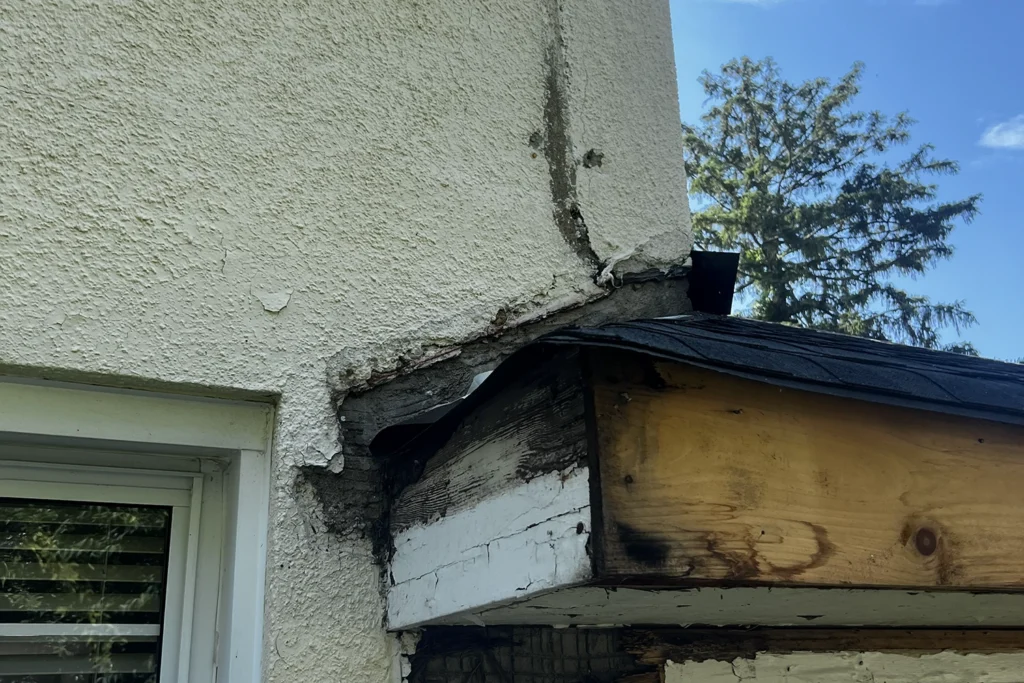
When evaluating an EIFS home, ensure the inspector checks the following:
- Clearance at Grade: The stucco must stop at least a few inches above the soil or paving, utilizing a proper weep screed to allow water to drain away from the foundation.
- Kickout Flashing: Proper kickout flashing must be installed where rooflines meet vertical walls to direct water into the gutters rather than down the stucco surface.
- Window and Door Sealants: All windows and doors must have well-maintained sealant joints. Failed caulking is a primary entry point for moisture.
- Penetration Sealing: Any penetrations through the stucco, such as exterior lights, vents, or plumbing fixtures, must be properly sealed and flashed.
- Impact Damage: Because EIFS is softer than traditional hardcoat, it is susceptible to impact damage from hail, landscaping equipment, or woodpeckers, which can breach the weatherproofing layer.
If your potential new home has EIFS and requires attention, our specialized EIFS repair team can restore its integrity.
Are stucco cracks a dealbreaker when buying a house?
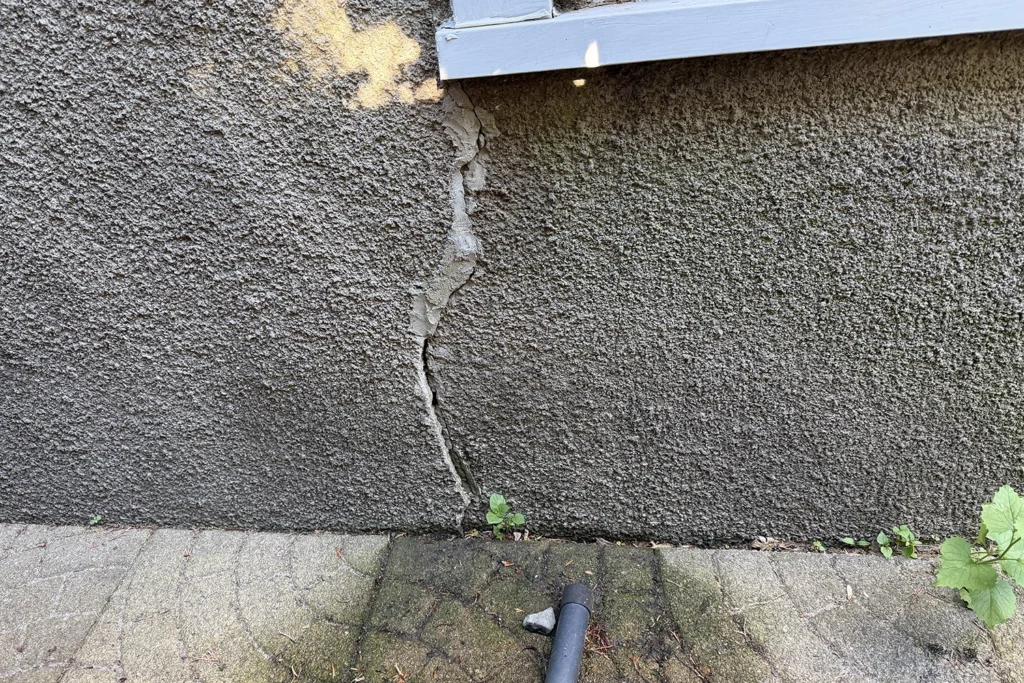
Not all stucco cracks are dealbreakers when buying a house, but distinguishing between normal settling and severe structural failure is essential. Hairline cracks (less than 1/16 inch wide) are common cosmetic cracks caused by normal building settlement and temperature fluctuations. These can usually be addressed easily and do not necessarily indicate underlying damage.
However, larger diagonal cracks, cracks radiating from window corners, or cracks accompanied by bulging and dark stains are significant stucco inspection red flags. These indicate that water has likely breached the system, causing the wood framing to swell or rot. If a structural engineer or stucco inspector identifies these severe issues, it does not mean you must walk away from the deal, but you should use the repair estimate to negotiate a credit or require the seller to perform the repairs before closing.
To understand more about the types of cracks and when to be concerned, read our detailed guide on settlement vs structural cracks.
How does stucco moisture inspection protect your investment?
A stucco moisture inspection is the ultimate form of buyer protection when purchasing a home with an exterior cladding system. By utilizing probe testing and a moisture meter, inspectors can definitively determine if the substrate behind the stucco is dry, damp, or actively rotting.
In 2025, industry data showed that a significant percentage of stucco homes older than 15 years in the Delaware Valley experienced some level of hidden moisture intrusion due to building code changes and improper installation practices of the past. A clean moisture report gives you peace of mind and can be required by lenders or for securing a comprehensive home warranty. Conversely, if the inspection reveals high moisture levels, you are protected from inheriting a massive financial burden.
If severe damage is found, full stucco restoration may be necessary to ensure the home is safe and structurally sound. Furthermore, understanding homeowners’ insurance coverage for stucco damage can help you navigate potential claims and repair costs effectively.
What should you do if the inspection reveals stucco damage?
If your pre-purchase stucco inspection in NJ reveals damage, you have several options during the contingency period. First, do not panic. Review the stucco inspection report with your real estate agent and the specialized contractor to understand the scope of the problem.
You can request that the seller fix the issues prior to closing, ask for a financial credit equivalent to the repair estimate, or, if the structural integrity is severely compromised and the seller refuses to negotiate, you can exercise your right to walk away from the purchase. Always ensure that any agreed-upon repairs are completed by a qualified professional, not just a general handyman, to ensure the building envelope is properly restored.
Author: ZD Stucco Repair Team
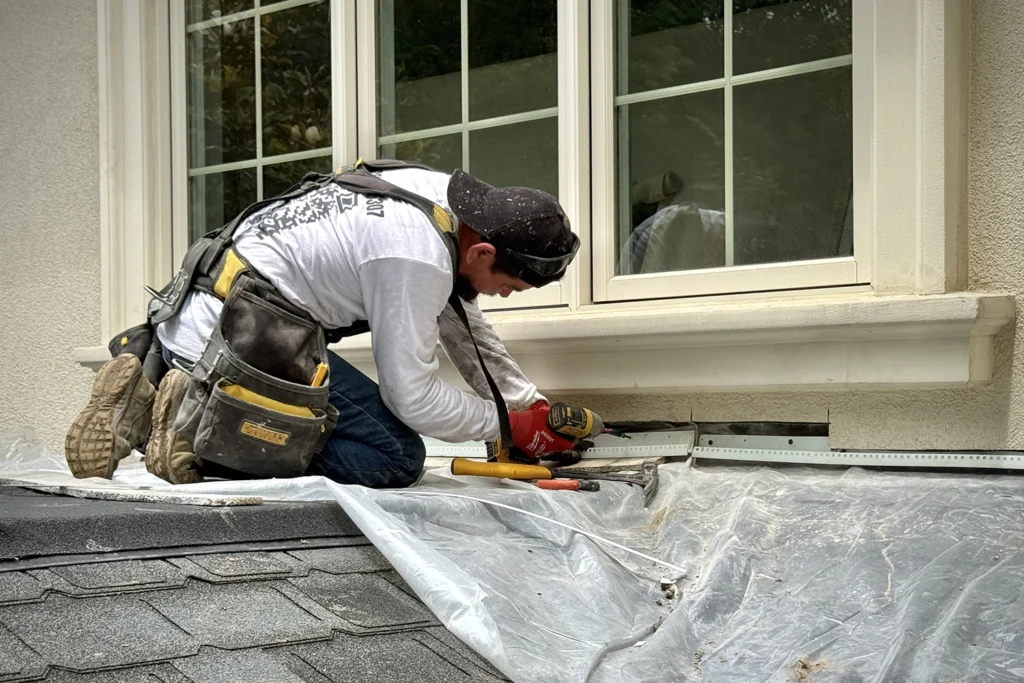
As New Jersey’s trusted exterior contractors since 2017, the ZD Stucco Repair team brings years of hands-on experience in stucco inspection, repair, and full restoration across the Delaware Valley and Greater New York area.