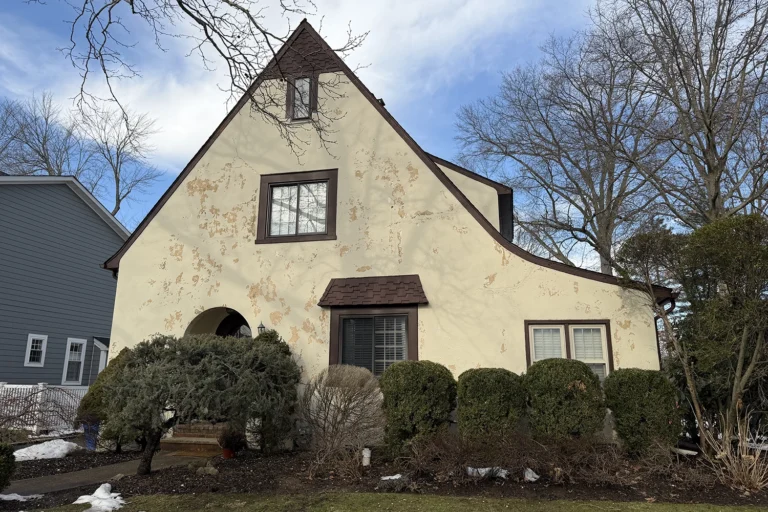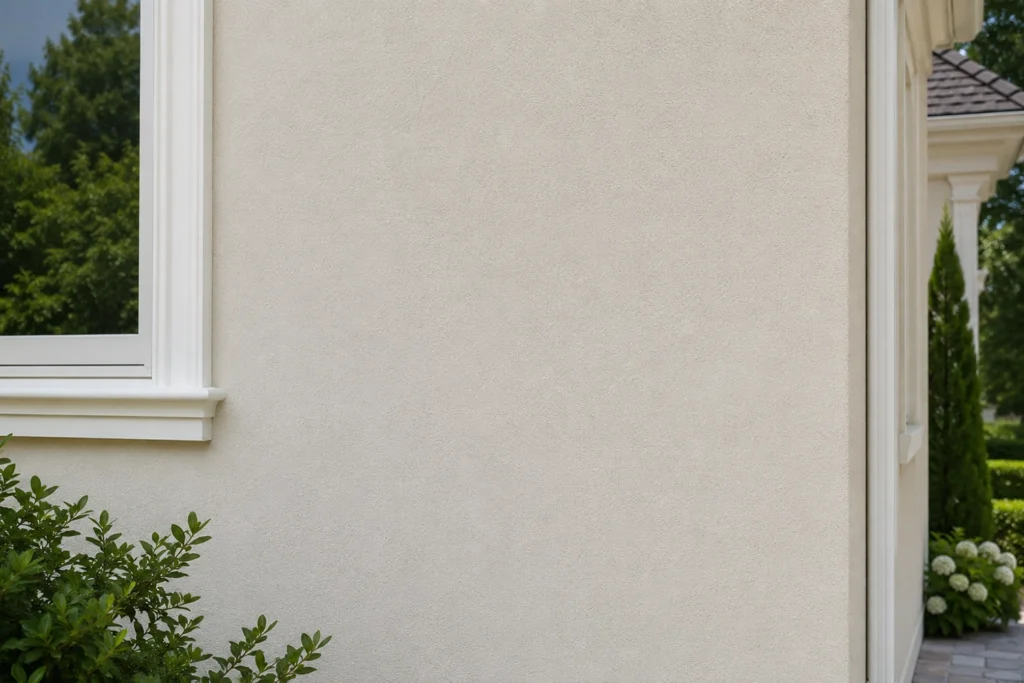
When stucco needs repair, the goal is not only to close a crack, but also to patch a chip or cover a damaged area. The repair also has to match the existing texture so the new stucco looks like it belongs on the same wall. That is why ZD Stucco Repair looks at the full surface before starting the work, including the texture pattern, depth, surrounding finish, wall condition, and overall appearance of the exterior.
Stucco protects the outside of a home while also shaping its curb appeal. If a repair is done without matching the texture, even a technically correct patch can still look like a visible repair. Homeowners notice this most on front elevations, near entry steps, around windows, beside railings, and on any wall that can be seen clearly from the street.
A strong stucco repair NJ project should solve two problems at the same time. First, it should restore the damaged surface. Second, it should help the new texture blend with the existing finish as cleanly as possible.
A good stucco repair should protect the wall, respect the original finish, and leave the exterior looking clean and natural.
What is stucco texture, and why does it matter so much?
Stucco texture is the finish pattern on the exterior surface. It may be smooth, sandy, rough, sprayed, swirled, or customized to match a specific home. At first, texture may seem like a visual detail only. In practice, it strongly affects how the repair looks after the material dries.
When a home already has an existing stucco finish, every new repair area has to work with what is already there. A mismatch can happen because of aggregate size, material thickness, application method, tool movement, spray pressure, or years of weathering and sun exposure. This is why stucco texture matching is not the same as simply applying fresh material over damage. It is a dedicated part of the repair process.
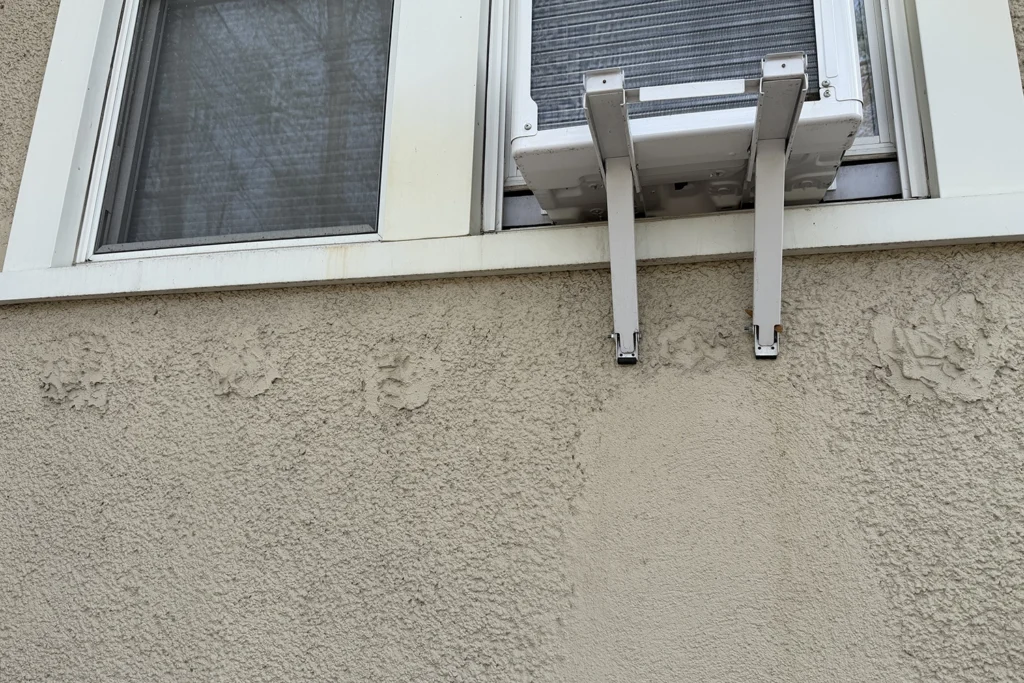
| What We Check Before Repair | Why It Matters |
|---|---|
| Existing texture type | Helps determine the right application method and tools. |
| Texture depth and density | Prevents the patch from looking too smooth, too heavy, or too rough. |
| Condition of the old finish | Affects surface preparation and material bond. |
| Color and fading | Helps explain whether painting or coating may be needed later. |
| Location of the damage | Highly visible areas require a more careful transition. |
For homeowners searching for stucco repair near me, texture matching is one of the details that separates a quick patch from a more professional repair.
Why should you not just cover a crack and ignore the texture?
A fast patch may look acceptable while the material is still wet. After it dries, the difference in texture can become much more obvious. The repaired area may look too flat, too spotted, too raised, or separated from the original wall by a hard edge.
There is also a technical reason to repair damage correctly. QUIKRETE explains that cracks and holes in stucco should be sealed to help prevent water from entering and causing further deterioration. In New Jersey, that matters because exterior walls deal with rain, humidity, and winter freeze and thaw cycles.
That is why ZD Stucco Repair does not treat texture as decoration added at the end. The process should begin with understanding the damage, preparing the surface, restoring the weak area, and then applying a finish that matches the surrounding wall as naturally as possible.
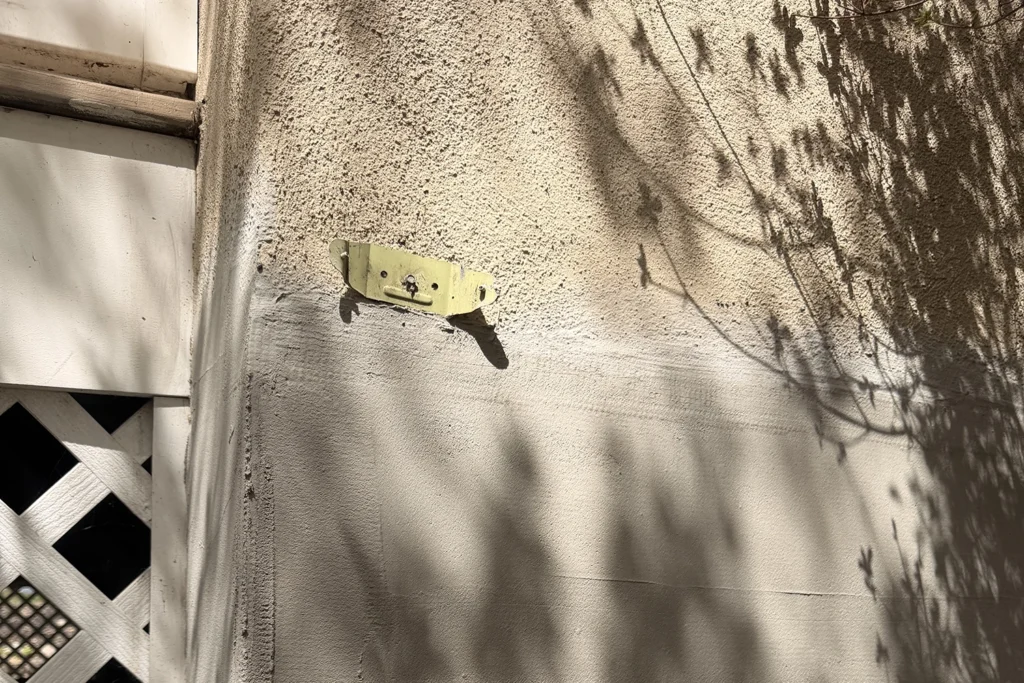
How does ZD Stucco Repair approach texture matching?
When homeowners contact us after searching for stucco contractors near me, they often ask whether a repair can be made invisible. The honest answer is that the final result depends on the age of the wall, the original finish, existing paint, fading, weather exposure, and how the stucco was applied in the first place. However, proper preparation and experienced stucco texture matching can make a major difference.
ZD Stucco Repair starts by inspecting the damaged section and the surrounding surface. We look for signs that the issue may be more than cosmetic, such as moisture, weak substrate, old failed repairs, or movement in the structure. If only the visible symptom is covered, the same problem may return.
After inspection, the work area is prepared. Loose, cracked, or deteriorated material should be removed so the new repair is not bonded to a weak surface. BEHR recommends removing loose debris and widening small cracks when needed so that the patching material can bond properly to the damaged area.
This helps create a stronger base before the final texture is applied.
Why is job-site protection important before applying texture?
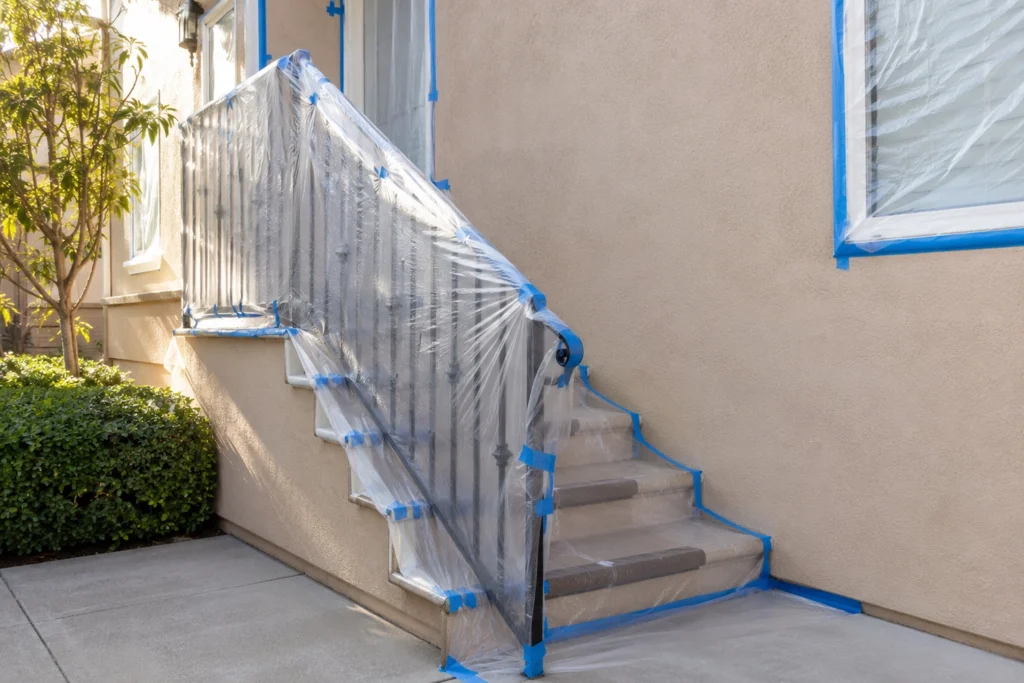
Preparation directly affects the cleanliness and quality of the repair. Before applying texture, surrounding surfaces should be protected because stucco material should not land on steps, railings, windows, trim, stone, or finished exterior areas.
On a recent ZD Stucco Repair project, the damaged area was located beside exterior stairs and metal railings. Before applying the finish, our team covered the steps, railings, and nearby surfaces with plastic sheeting and painter’s tape. This allowed the crew to work carefully while controlling the edges of the repair.
This step may not always be obvious in the final photo, but it is one of the signs of careful work. When the area is protected, the installer can focus on getting the texture right instead of repeatedly cleaning overspray.
What does a recent project show about the process?
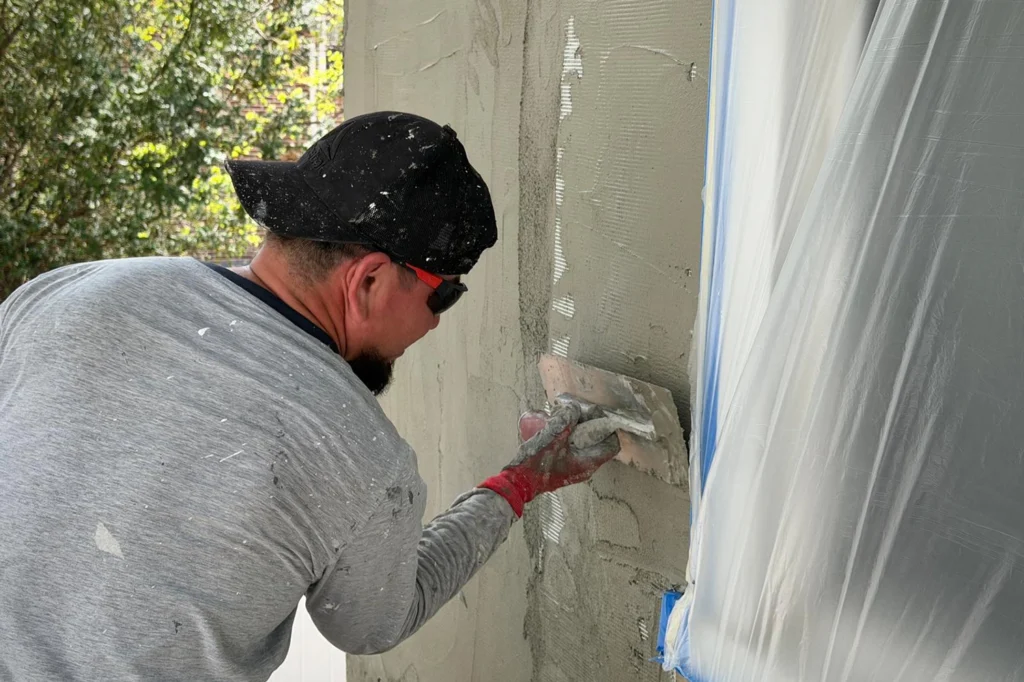
On this project, the job was not only to close damaged stucco. The goal was to recreate the existing rough texture around the stair area so the new section did not look out of place. To do that, the crew first protected the work zone, then mixed the material to the right consistency, and then applied the texture with a hopper gun.
A hopper gun works well for many rough and sprayed finishes because it lets the applicator spray material in a controlled pattern. The technician can adjust distance from the wall, hand movement, air pressure, and mix consistency. Graco notes that spraying stucco can help create a more consistent finish and may reduce gaps and air pockets compared with trowel-only methods.
The tool alone does not guarantee a quality result. The installer still has to avoid overloading the surface, creating a hard border, or changing the character of the existing finish. For this reason, the work is done gradually, with attention to how the new texture connects to the old surface.
When does stucco repair need extra attention to texture?
Texture matters almost every time the repair is on a visible part of the home. It becomes even more important near the front entrance, around stairs, on the main facade, beside windows, or on walls that are easy to see from the road.
Extra care is also needed when correcting older patches. Sometimes a homeowner calls ZD Stucco Repair not because of new damage, but because a previous repair stands out too much. In those cases, the work may involve correcting the patch shape, thickness, edges, and surface texture.
| Situation | Why Texture Matching Matters |
|---|---|
| Cracks on the facade | After stucco crack repair, the finish should blend with the surrounding wall. |
| Chips and impact damage | Small repairs can still stand out if the texture does not match. |
| Moisture stains | The cause should be reviewed before the finish layer is restored. |
| Old visible patches | Previous repairs may need correction in shape, depth, and texture. |
| EIFS repair | The repair must account for the specific coating system and exterior layer. |
If you are looking for EIFS repair near me, it is important to choose a contractor who understands both EIFS and traditional stucco. The surfaces may look similar, but the repair method can be different.
Can old and new stucco match perfectly?
In some cases, the match can be very close. Still, homeowners should understand that several factors affect the result, including the age of the surface, weather exposure, sunlight, old paint, original material, and the application method used when the home was built.
If the old surface has faded heavily, new stucco may differ in color even when the texture match is strong. In that situation, the best approach may be to restore and match the texture first, then consider painting or coating for a more uniform exterior appearance.
ZD Stucco Repair does not promise something unrealistic. Our goal is to repair the wall professionally, prepare the surface correctly, protect the surrounding area, choose the right application method, and create the most natural transition possible between the old and new finish.
Why do New Jersey homeowners choose ZD Stucco Repair?
ZD Stucco Repair provides residential stucco repair, EIFS repair, stucco installation, stucco-water-damage-repair solutions, and related exterior painting services in New Jersey and the Greater New York area. According to the company website, the team has served more than 1,000 homeowners since 2017.
The work is built around a simple idea: show up, do the job right, and clean up afterward. For stucco repair, this matters because quality is not only visible on the day the job is finished. It also shows after the surface dries, after rain, under changing light, and every time the homeowner looks at the exterior.
If you are searching for stucco repair near me, EIFS repair near me, or stucco contractors near me, pay attention to the contractor’s process. Ask how the surface will be prepared, how nearby areas will be protected, how the texture will be matched, and what may be needed if the old surface differs in color.
How do you know when to call a stucco repair NJ specialist?
It is time to request an assessment if you notice cracks, chips, stains, bubbling, soft areas, delamination, or old patches that stand out on the facade. The sooner the damage is checked, the easier it is to understand whether the home needs a local repair or a deeper solution for the cause of the problem.
ZD Stucco Repair helps homeowners in New Jersey and the Greater New York area restore damaged stucco so the repair is both technically sound and visually clean. If you need stucco repair in NJ with careful texture matching for your existing exterior, contact ZD Stucco Repair and request a free quote.
Frequently Asked Questions About Stucco Repair and Texture Matching
What is stucco texture matching?
It is the process of matching the new stucco finish to the existing wall texture so the repair does not look like a separate patch.
Can stucco repair be completely hidden?
Sometimes the result can be very close, but the final match depends on the wall’s age, paint history, fading, and original application method.
Why should stairs and railings be covered before texture is applied?
Covering nearby surfaces helps prevent overspray and creates cleaner borders between the old and new finish.
Is a hopper gun always used?
No. The tool depends on the existing texture. For rough and sprayed finishes, a hopper gun often helps recreate a similar pattern.
Should cracks be repaired before texture is applied?
Yes. Texture is the final layer. The damaged base should be prepared and repaired before the decorative finish is added.
Does this approach work for EIFS repair?
Yes, but EIFS requires attention to the specific coating system. It should be handled by a contractor experienced with EIFS and stucco.